Editor: Porcia Akua Holmes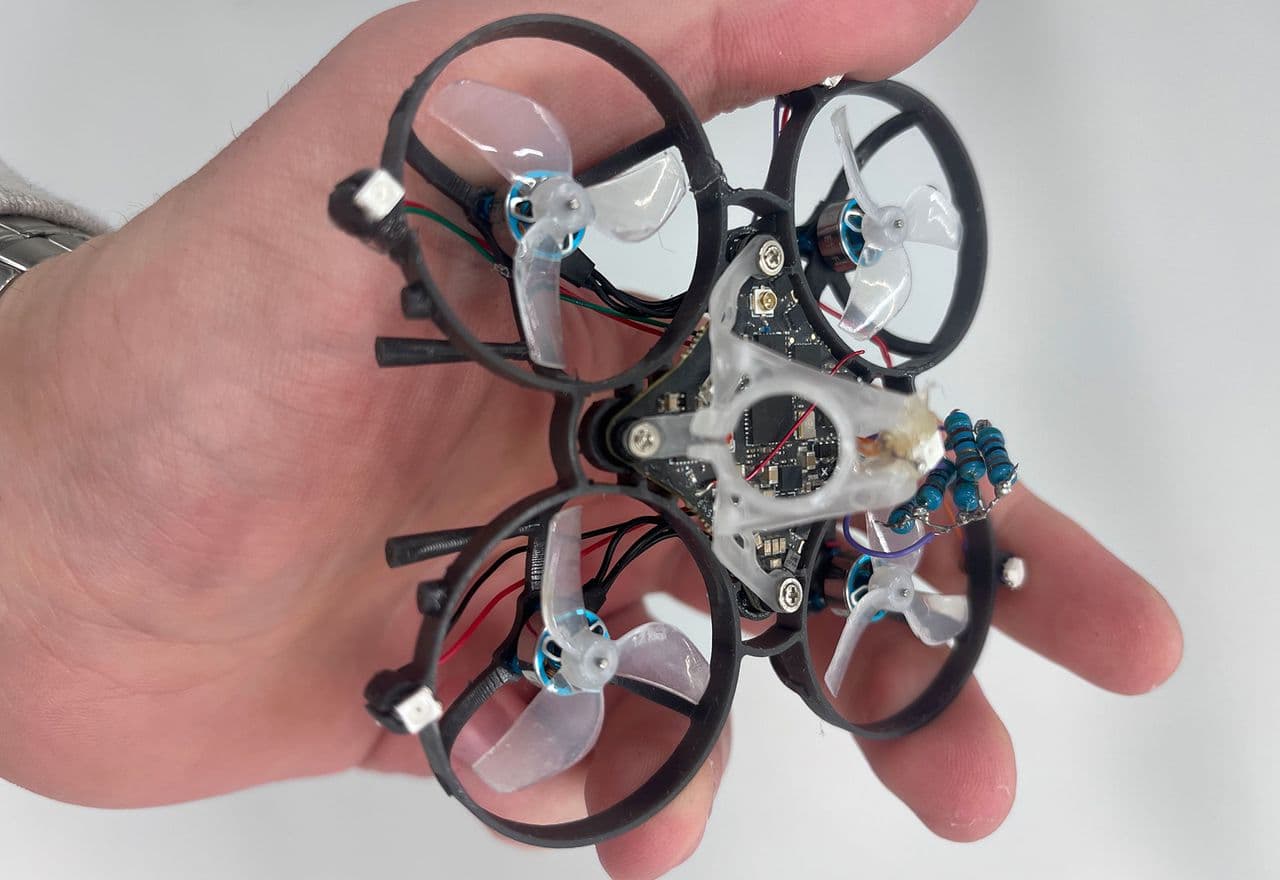
A small autonomous drone designed to hunt mosquitoes has achieved its first midair kill, moving closer to a goal of eradicating the disease-carrying insects from populated areas. Tornyol Systems, a startup founded by Alex Toussaint, shared video of the 40-gram craft intercepting a flying moth. The company calls this milestone a significant stride toward eliminating mosquitoes entirely.
How the Drone Hunts
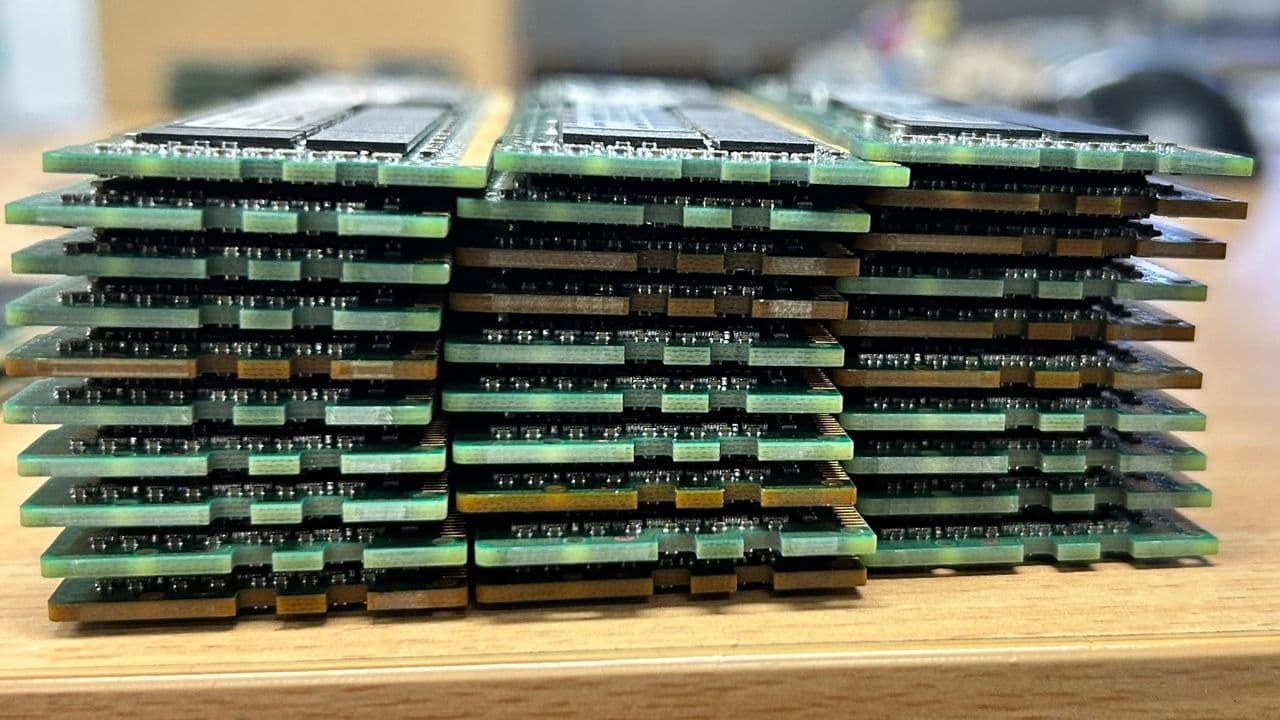
The Tornyol micro-drone weighs just 40 grams and uses a ground-based sonar array called LeSonar2. This base station packs 380 smartphone microphones and an Artix-7 FPGA to build a 3D map of the environment. The system can detect movements as small as 0.1 millimeters and identify mosquitoes through their wingbeat patterns. A PC processes the data and sends commands to the drone, which uses car park assist sensors and digital signal processing to track targets up to 26 feet away.
Tornyol first explored this concept in a 2024 Hackaday presentation titled How to Detect (and Kill) Mosquitoes With Off-the-Shelf Electronics. Since then, the team has miniaturized the drone and refined the tracking algorithms. The company says it will deploy the system on embedded hardware in the coming weeks, eliminating the need for a tethered PC.
Why This Matters
Mosquitoes are responsible for hundreds of thousands of deaths annually, and conventional control methods such as nets, sprays and repellents offer only limited protection. A cheap, autonomous drone that can hunt mosquitoes in flight could drastically reduce disease transmission in vulnerable regions. Tornyol's approach is unique because it targets the insects midair rather than relying on traps or ground-based lasers. If the technology scales and becomes affordable, it could shift the fight against mosquito-borne illnesses from reactive treatment to proactive prevention. The company is already accepting refundable deposits in the United States, with a subscription of $50 per month or a one-time fee of $1,100 for the drone and base station.
What Comes Next
U.S. residents interested in the system can place a $100 refundable deposit. Tornyol offers two payment plans: a $50 monthly subscription or a $1,100 one-time purchase. The company plans to migrate the processing to embedded hardware soon, which would make the drone fully self-contained. This achievement marks a critical proof of concept, but the path to widespread deployment will require regulatory approval, field testing and cost reduction. Tornyol's mission statement explicitly calls for completely eradicating mosquitoes from areas where humans live, setting an ambitious agenda that will likely draw both support and skepticism from public health experts.