Editor: Porcia Akua Holmes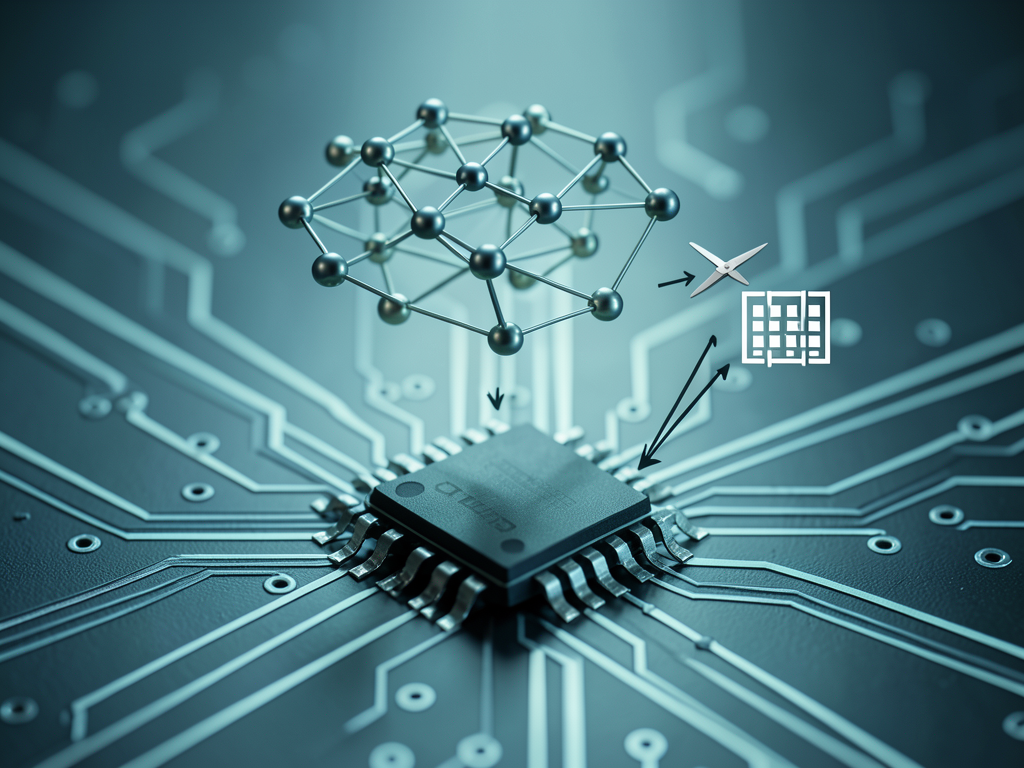
An $8 microcontroller has become the unlikely home for a functional language model, challenging assumptions about the hardware required to run AI. The ESP32-S3 from Espressif, a chip typically used for simple IoT tasks, now demonstrates that small language models (SLMs) can operate on devices with just a few hundred kilobytes of RAM.
Technical Breakthrough on a Budget
The project involved compressing a small transformer model to fit within the ESP32-S3's limited memory and processing power. The model uses quantized weights and a reduced vocabulary to deliver basic text generation and classification. While the output is far from GPT-level fluency, the model can handle simple commands and queries with acceptable latency for a local device.
Why This Matters
Running AI on ultra-low-cost hardware shifts the economics of edge computing. Developers can now embed language capabilities into devices that cost less than a coffee. This opens the door for smart home gadgets, industrial sensors, and educational toys that understand natural language without phoning home to a cloud server. Privacy improves because data never leaves the device. Latency disappears because there is no network round trip. The barrier to entry for AI-powered products drops dramatically, especially for small teams and startups.
Implications for the IoT Ecosystem
The ESP32 series is already one of the most popular microcontrollers among hobbyists and product designers. Adding native language model support to that ecosystem accelerates the adoption of on-device AI. Companies can now build voice-controlled switches, inventory trackers, or interactive tools with minimal hardware cost. The model, however, is limited in scope and accuracy. It works best for structured tasks like keyword spotting, intent classification, or simple text generation. Complex reasoning or broad knowledge remains out of reach.
This project also highlights a broader trend: the race to push AI to the edge. While giants like Google and Qualcomm compete on high-end chips, the ESP32-S3 proves that meaningful progress can happen on a shoestring budget. Developers, however, should temper expectations. The model's size and speed are not suitable for every use case. But as quantization techniques improve and hardware evolves, even smaller chips may soon host capable language models.