Senior Editor: Alan Agbele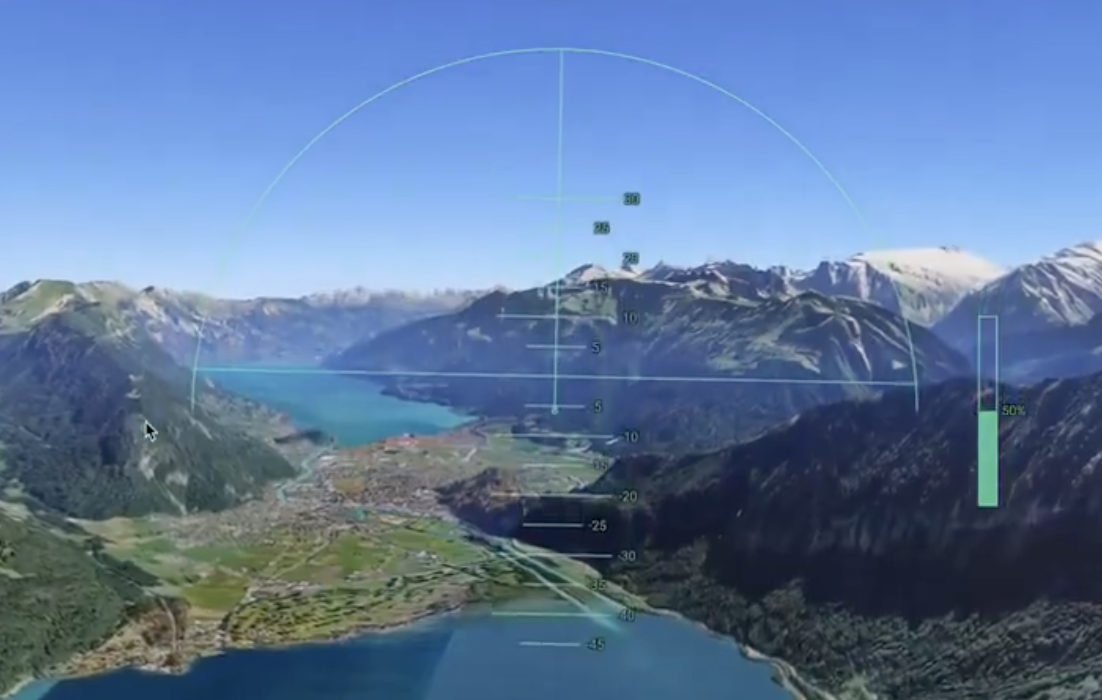
Google Earth has quietly turned a long-hidden flight simulator into an officially accessible feature, opening it to all users without requiring any special commands or hidden codes. Time magazine recently highlighted this shift in a report headlined "Google Earth Opens Its Secret Flight Simulator to All Users," confirming what many aviation enthusiasts had long suspected: the Easter egg is no longer an Easter egg.
From Easter Egg to Official Tool
The flight simulator has existed inside Google Earth for years, accessible only by pressing Control+Alt+A on Windows or Command+Option+A on Mac. It offered a basic but engaging flying experience, letting users pilot aircraft through real-world terrain. Now the simulator lives under the Tools menu, marked plainly as "Enter Flight Simulator." No hidden commands. No secret handshake. All users can launch it directly.
What the Simulator Includes
The simulator provides a selection of aircraft, including an F-16 and a high-performance glider, along with the ability to choose starting airports from around the globe. The experience is not as polished as dedicated flight simulation software, but it offers a unique way to explore Google Earth's 3D terrain from the cockpit. Key features include:
Why This Matters
This change matters because it signals how tech companies can repurpose playful side projects into accessible features that attract new audiences. Flight simulation has experienced a renaissance thanks to products like Microsoft Flight Simulator 2024, but those require powerful hardware and hefty purchases. Google Earth's version is free, lightweight and instantly usable by anyone with the desktop app installed. Educational institutions and hobbyists can now incorporate basic flight training into geography lessons or casual exploration without additional costs. For Google, surfacing this hidden tool strengthens the utility of Google Earth as more than a mapping service, it becomes a gateway to interactive discovery.
Broader Context: The Rise of Hidden Features
Google Earth is not alone in hiding playful features. Many applications include Easter eggs as internal jokes or test beds for experimental code. Google itself has a long history of Easter eggs in products like Search and Chrome. The decision to bring this one into the open reflects a growing practice among developers to let experimental features graduate into official offerings after proving their popular appeal. The flight simulator, once a quiet curiosity, now stands as a public-facing tool that could drive engagement and even inspire future updates.