Senior Editor: Alan Agbele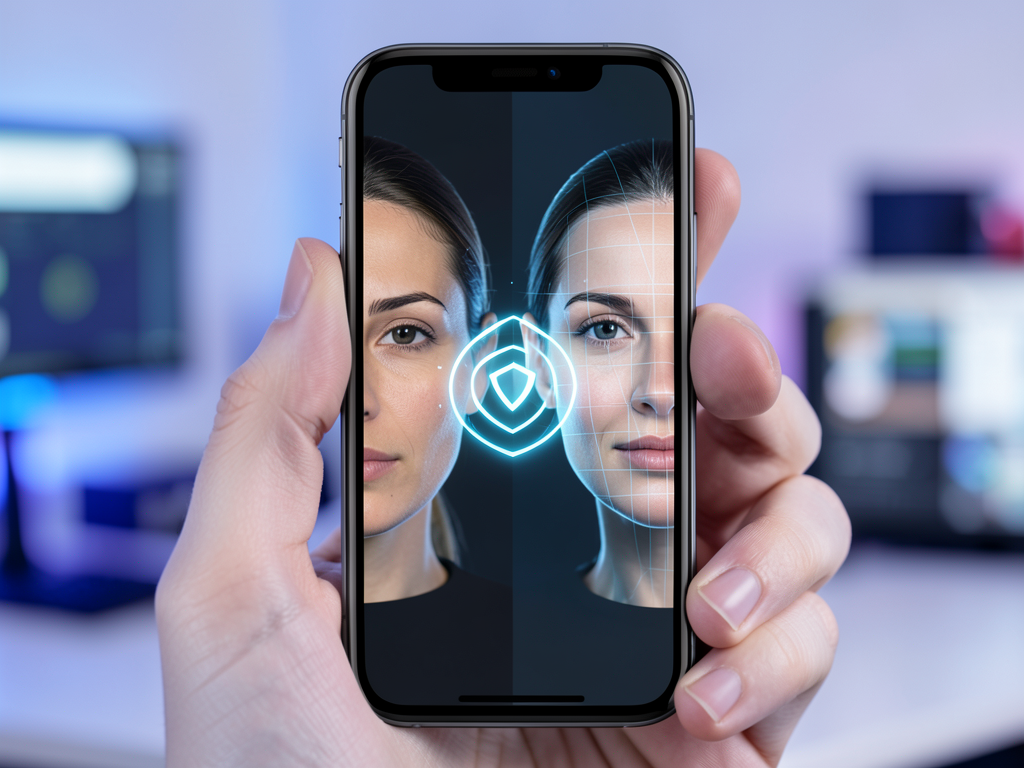
TikTok has begun testing a tool that lets creators detect and report unauthorized AI-generated likenesses of themselves on the platform, marking the latest industry push to address synthetic media concerns. The feature is initially available to a small group of US creators, TikTok US spokesperson Zachary Kizer confirmed to The Verge.
How TikTok's AI Likeness Detection Works
Creators selected for the test must first complete a verification process through Jumio, an identity verification company. The process involves a live selfie scan and submission of an official ID. TikTok's Kizer emphasized that the company does not store the ID documents or facial data after the check is complete.
Once verified, creators gain access to a reporting mechanism that flags videos containing AI-generated versions of their likeness. The tool is designed to give creators more control over synthetic media that mimics their appearance without permission.
YouTube's Parallel Effort
The announcement comes as social media platforms face increasing pressure to curb deepfakes and unauthorized AI-generated content. YouTube has been developing a similar likeness detection tool for months. It first tested the feature in a limited capacity before expanding it to all adult users earlier this year. The tool from YouTube, like TikTok's, requires identity verification and lets users report AI-powered impersonations.
Both platforms are responding to a growing wave of synthetic media that can convincingly replicate a person's voice, face or mannerisms. Unauthorized use of celebrity and creator likenesses has sparked legal debates and calls for stronger platform accountability.
Why This Matters
This test signals that TikTok and YouTube are moving toward standardized ways to police AI-generated content. The outcome could shape how the entire social media industry handles likeness rights. For creators, the tools offer a measure of protection but also raise privacy questions about the verification process itself. If successful, such tools may become a baseline expectation for any platform hosting user-generated video. The broader implications extend to trust: as AI generation becomes cheaper and more convincing, platforms that fail to offer detection tools risk losing credibility with both creators and viewers.