Senior Editor: Alan Agbele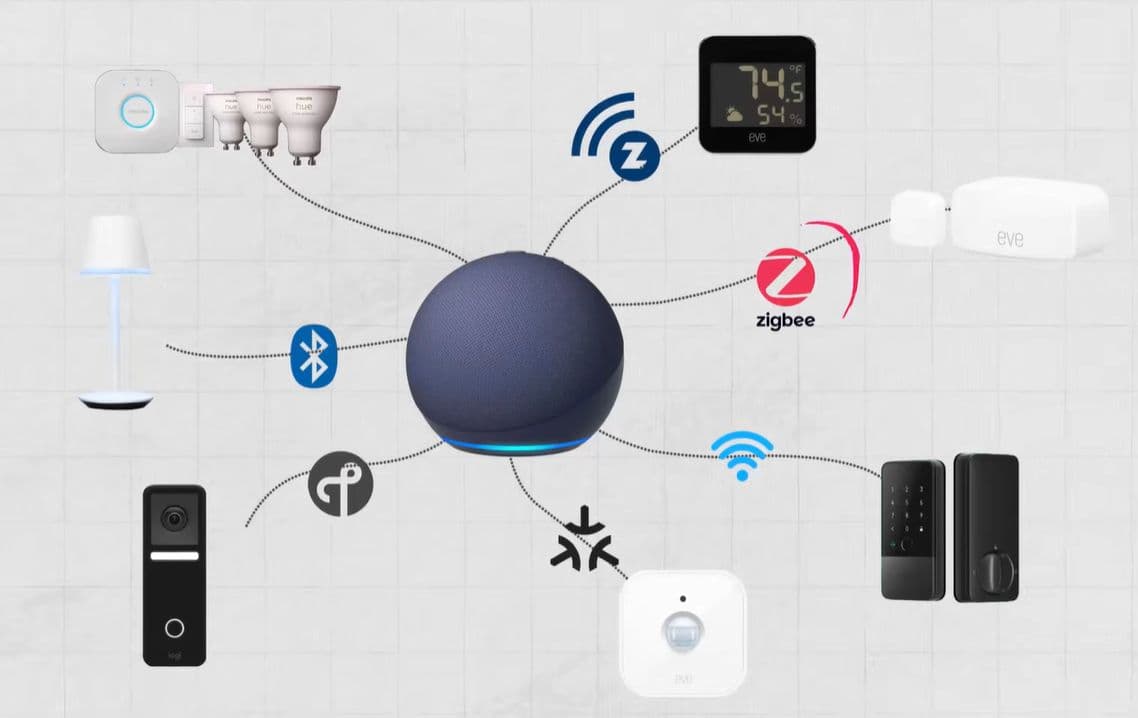
The smart home revolution promised a future where lights dim automatically, thermostats learn habits and refrigerators order groceries. That future has not arrived. After years of hype, the smart home bubble has popped.
Sales of smart speakers, connected bulbs and internet-enabled appliances have slowed sharply. Early adopters jumped in. But the broader market never followed. The reasons are clear: fragmented ecosystems, stubborn compatibility issues and lingering privacy concerns.
Fragmentation Killed the Dream
Consumers quickly realized that one brand’s smart plug does not reliably talk to another brand’s sensor. Voice assistants from Amazon, Google and Apple rarely work together. Setting up a single device often requires a separate app, account and password. The promised seamless experience became a patchwork of half-working connections.
Industry surveys show that more than half of smart home owners have experienced setup failures or device dropouts. Many have abandoned products after a few months. The friction outweighs the convenience.
Privacy Concerns Pushed Buyers Away
Smart home devices collect vast amounts of personal data. Cameras monitor living rooms. Microphones listen for wake words. Sensors track when lights are on. High-profile security breaches and reports of companies sharing data with third parties eroded trust.
A 2024 study found that 68% of non-buyers cited privacy as their main reason for staying away. The trade-off between convenience and surveillance felt too steep for many households.
Why This Matters
The smart home market affects millions of homeowners and renters. If the industry cannot fix interoperability and restore privacy confidence, consumers lose access to energy savings, safety features and accessibility tools that these devices can offer. Without adoption, development slows, prices stay high and innovation stalls. The opportunity to reduce home energy use and improve aging-in-place technology hangs in the balance.
Manufacturers are beginning to respond. The Matter protocol, backed by Apple, Google, Amazon and Samsung, aims to unify device communication. Early implementations show promise but remain limited. Adoption is slow. Brands still push proprietary ecosystems to lock customers in.
Affordability also remains a barrier. A full smart home setup can cost thousands of dollars. The savings from lower energy bills rarely offset the upfront expense fast enough to persuade cautious buyers.
The smart home dream is not dead. But it has moved from a mainstream expectation to a niche interest. Until the industry delivers simple, secure and affordable systems, most consumers will keep their homes dumb and their privacy intact.