 Editor: Porcia Akua Holmes
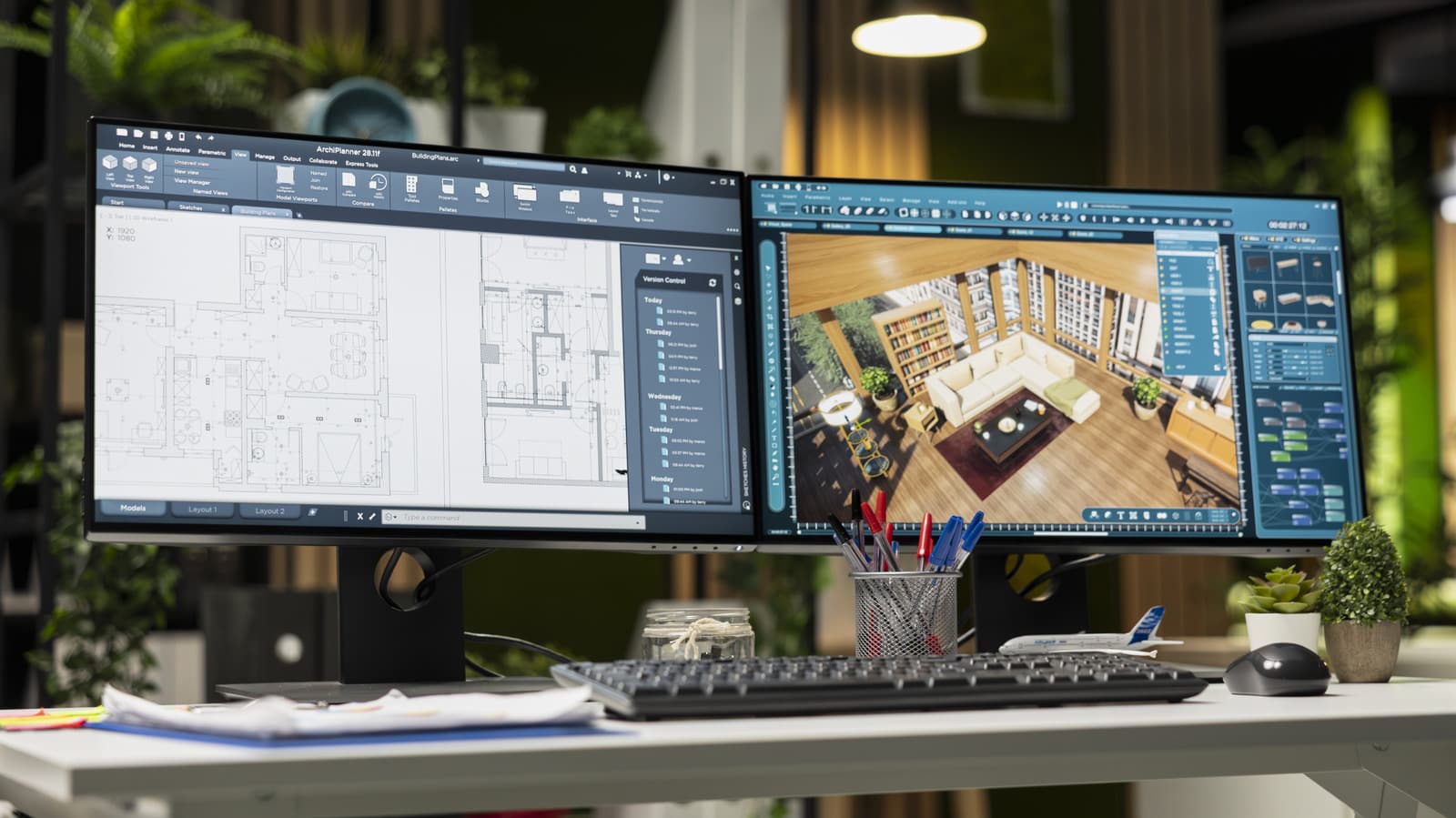
The premium attached to OLED monitors is starting to look less like a permanent feature of the market and more like a temporary gap. Buyers weighing an OLED display against cheaper alternatives now face a genuine trade-off, not a foregone conclusion. The question of whether an affordable OLED monitor is still worth it has become central to purchasing decisions for gamers and professionals alike.
The Display Market Is Splitting Into Two Tiers
Monitor makers are pushing hard in two directions at once. Premium OLED panels continue to command high prices, while budget-friendly LCD and IPS options improve steadily. This split is reshaping how consumers think about the affordable monitors to buy instead of spending big on an OLED display decision.
The result is a market where the middle ground is disappearing. Buyers either pay for top-tier OLED performance or accept a cheaper panel with fewer compromises than before. That dynamic is forcing brands to justify every dollar of the OLED premium.
Why Budget Panels Are Getting Better
Manufacturing improvements have pushed LCD and IPS quality upward without matching price increases. Refresh rates, color accuracy and response times on midrange monitors now rival what premium displays offered a few years ago. This puts pressure on OLED makers to differentiate on more than just panel technology.
For shoppers, the practical effect is more choice at lower price points. The question is no longer whether a cheap monitor is usable, but which cheap monitor fits a specific use case.
What Actually Matters When Choosing a Display
Feature priorities depend heavily on whether the monitor is for gaming or productivity. Gamers tend to prioritize refresh rate and response time, while workers care more about color accuracy and ergonomics. OLED excels at both, but cheaper panels can close the gap in specific scenarios.
Buyers who mostly work in well-lit rooms may find that a cheaper, brighter panel serves them better than an OLED. Gamers, however, still benefit from OLED's near-instant response. Matching features to actual use is the most reliable way to avoid overspending.
Why This Matters
The OLED premium is no longer automatic. As budget panels improve, the case for spending big weakens for large segments of the market. This shift directly affects gamers, remote workers and creative professionals who previously assumed OLED was the only path to quality.
Monitor makers face a harder sell. They must now prove that OLED's advantages justify the price gap, or risk losing midrange buyers to cheaper alternatives. Retailers, in turn, will need to rethink how they position premium displays against increasingly capable budget models.
The longer-term consequence is a more competitive display market. Buyers gain leverage, and brands that cannot articulate a clear value proposition will struggle to hold their pricing.
The Road Ahead for Display Buyers
Anyone shopping for a monitor today should start with use case, not panel type. The OLED label signals real advantages, but it is not the only factor worth weighing. Budget monitors have improved enough that the decision now hinges on specific needs rather than blanket assumptions.
As competition intensifies, the gap between affordable and premium displays will likely keep narrowing. Buyers who understand their priorities stand to benefit most from that trend.


