Senior Editor: Alan Agbele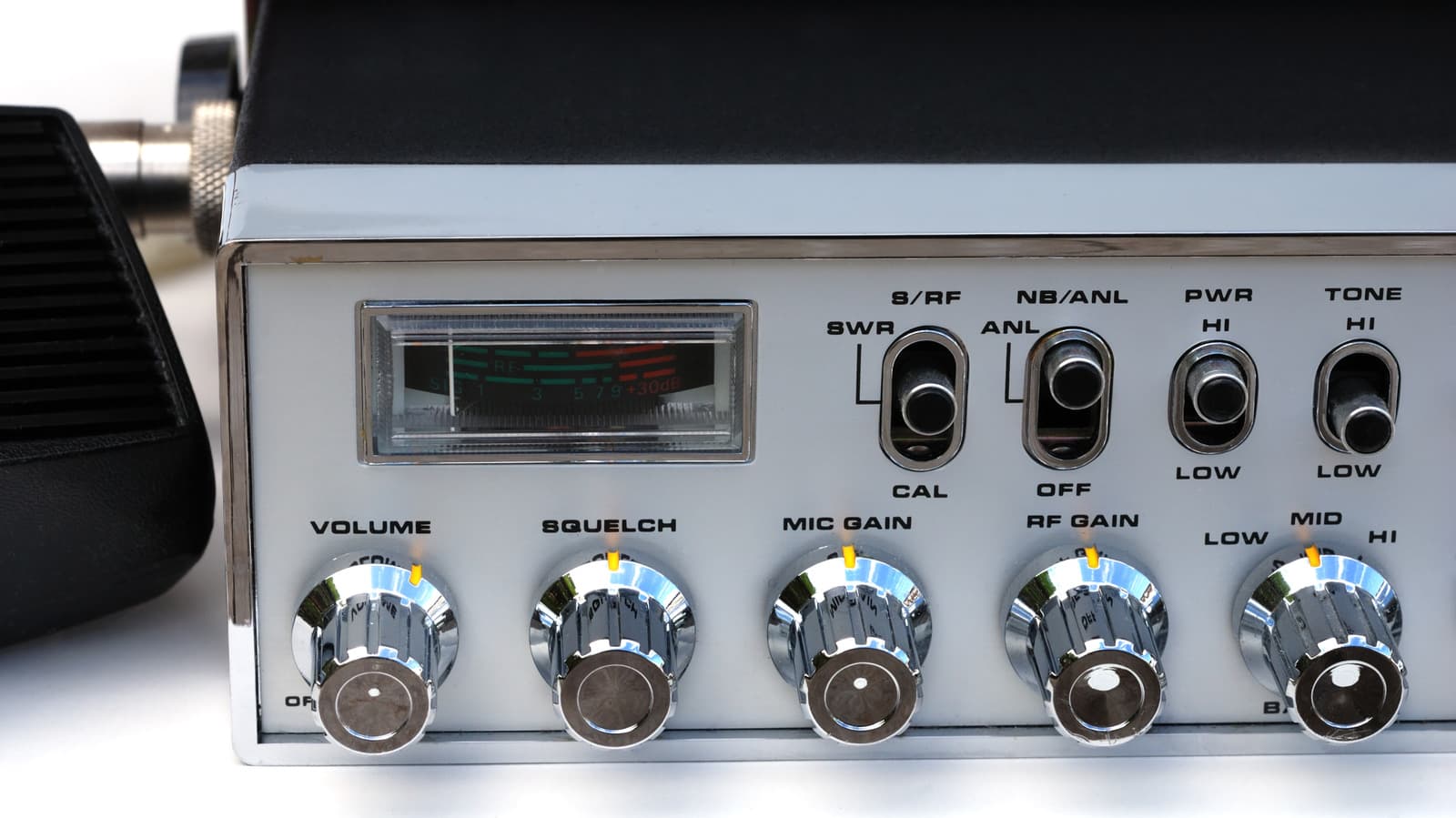
That small knob labeled Squelch on a walkie-talkie or ham radio often goes untouched. But if the setting is wrong, the device either hisses constantly or cuts off incoming speech entirely. A clear understanding of what audio squelch actually does can transform the way people use two-way radios.
The Basics of Squelch
At its simplest, squelch is a noise gate. The radio monitors the incoming signal strength. When the level falls below a user-defined threshold, the audio output is muted. This prevents the loud hiss of white noise from blasting through the speaker when no one is talking.
Analog vs. Digital Squelch
Traditional analog squelch relies on noise detection. The radio listens for the characteristic hiss of an empty channel and mutes when the noise exceeds the carrier level. This method works but can be fooled by interference or weak signals that sound noisy.
Digital squelch systems, common in modern amateur and commercial radios, use encoded data. The transmitter embeds a digital code in the signal, and the receiver only unmutes when that code is detected. The result is a cleaner experience with fewer false triggers. So, what does audio squelch actually do in a digital radio? It performs the same basic function but with more reliability and the ability to share frequencies without hearing other users.
Why This Matters
Squelch is not a leftover feature from analog days. Emergency responders rely on it to hear critical calls without distraction. Amateur radio operators depend on it to manage crowded bands. For consumers using family radios, proper squelch adjustment means longer battery life because the receiver amplifies less background noise. As radio technologies evolve toward software-defined radios, the squelch logic becomes more sophisticated, allowing users to filter signals by strength, tone or even data protocol. Ignoring the squelch knob means missing out on one of the most effective tools for clear, efficient communication.