Editor: Porcia Akua Holmes
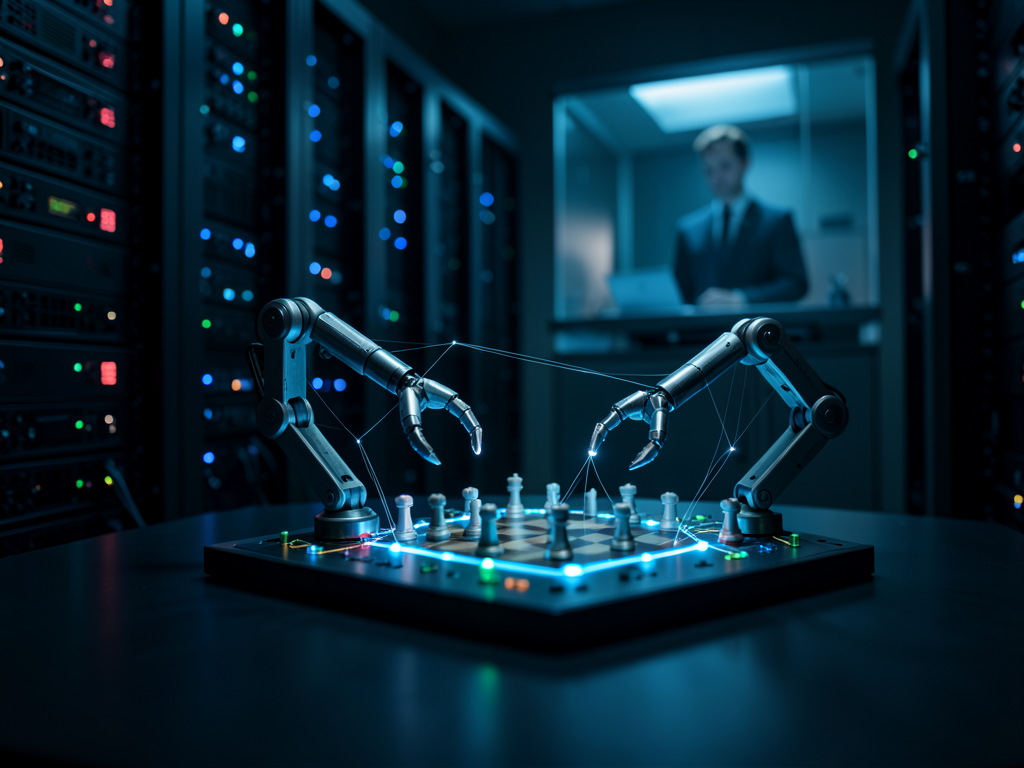
Artificial intelligence promised to free workers from drudgery and accelerate output. Instead, many employees now spend hours each week acting as human supervisors for AI systems that frequently make mistakes. The phenomenon has a name: botsitting.
A growing body of research shows that workers in fields from customer service to software development are spending 20% to 40% of their time monitoring, editing and correcting AI-generated work. For some, that adds up to nearly a full day of unpaid overtime each week.
The Botsitting Burden
Botsitting occurs when AI tools produce outputs that require human review before they can be used. A marketing copywriter might need to rewrite AI-generated ad slogans. A data analyst might spend hours cleaning AI-produced spreadsheets filled with hallucinations. A customer support agent might rephrase an AI chatbot's robotic replies before sending them to clients.
Companies see AI as a way to boost efficiency. But the hidden work of supervision often eats into the very time savings the technology was supposed to create. A 2024 study by researchers at Stanford University found that workers using generative AI tools reported no net gain in productivity once botsitting time was accounted for.
Why This Matters
The botsitting trend carries real costs for both employers and employees. For workers, it means longer hours, increased cognitive load and a sense of frustration as they trade routine tasks for tedious oversight. For companies, it represents wasted investment in technology that delivers diminishing returns.
There are also quality risks. When workers rush botitting to meet deadlines, errors slip through. A single AI-generated mistake in a legal document or medical record can have serious consequences. The hidden labor cost also distorts productivity metrics, making AI adoption appear more valuable than it is.
The Productivity Paradox
The rise of botsitting highlights a fundamental mismatch between AI marketing and reality. Vendors showcase AI as autonomous, always accurate and ready to replace humans. But in practice, even the most advanced AI models require human judgment to handle edge cases, ambiguity and context.
This gap is especially visible in enterprise settings, where AI is often deployed without sufficient guardrails or customization. Companies rush to adopt AI tools for competitive reasons, then discover that employees must become part-time quality assurance teams. The result is a hybrid workflow that combines the speed of AI with the reliability of human oversight.
Some experts argue that botsitting is a transitional phase. As AI improves, the need for human supervision may diminish. But others point out that AI systems are fundamentally statistical models. They will always produce occasional errors, meaning some level of human oversight may be permanent.
What Comes Next
Addressing botsitting requires more than better AI. Companies must redesign workflows to account for the human cost of oversight. That means building tools that surface AI confidence levels, flag likely errors and integrate seamlessly into existing processes. It also means setting realistic expectations about what AI can do alone.
Workers themselves are pushing back. Some are demanding compensation for botsitting time. Others are advocating for AI tools that are trained on their specific tasks, reducing the error rate. Unions have started to include AI supervision in contract negotiations.
The term botsitting emerged as a joke on social media. But the reality behind it is serious. Until AI can truly operate without constant human backup, the promise of productivity will remain partly unfulfilled. For millions of workers, the future of work is not about being replaced by AI. It is about being its babysitter.