Senior Editor: Alan Agbele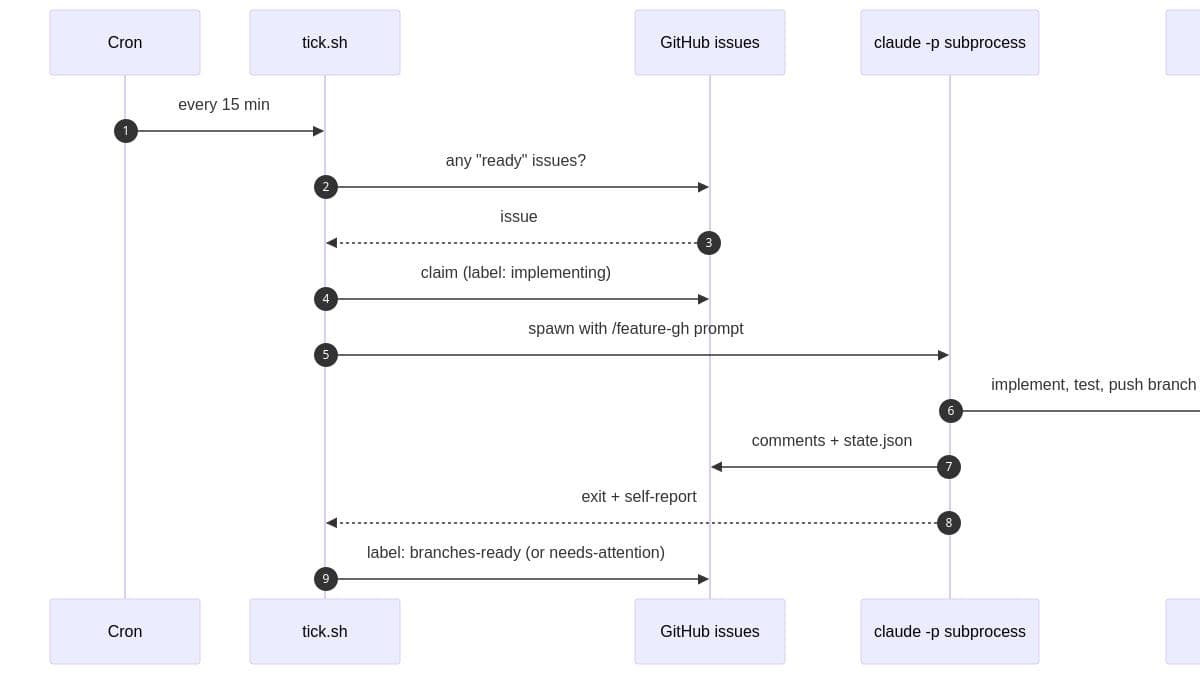
A software engineer recently shared a story that has resonated across the tech industry. He automated so much of his own development work that his position became redundant. The account, posted on Hacker News, describes a methodical process of building tools and scripts to handle routine coding tasks, testing and deployment. Over time, the automation grew sophisticated enough to replace the engineer's daily responsibilities entirely.
The Automation Spiral
The developer began by automating small, repetitive tasks such as code formatting and running tests. Each successful script freed up time to build more ambitious automation. Eventually, the system could generate boilerplate code, run comprehensive test suites and even deploy updates without human intervention. The engineer found himself spending less time writing code and more time maintaining the automation framework itself.
This pattern is not unique. Many developers have built personal productivity tools that reduce manual effort. But this case stands out because the automation reached a point where it could handle nearly all of the engineer's core duties. The company eventually eliminated the role, citing efficiency gains from the very systems he had created.
Why This Matters
This story highlights a growing tension in software development: as engineers build smarter tools to make their work easier, they may inadvertently reduce demand for their own labor. For individual developers, it raises uncomfortable questions about career longevity and skill investment. For companies, it suggests that investing in internal automation can yield dramatic cost savings but also requires careful workforce planning.
The broader implication is that AI-powered coding assistants are accelerating this trend across the industry. Tools like GitHub Copilot and ChatGPT already help developers write code faster. As these systems improve, they may shift the role of engineers from writing code to supervising automated systems that write code for them.
Lessons for Developers
The engineer who automated himself out of a job offers a cautionary tale rather than a blueprint for success. Developers should consider how to position themselves as irreplaceable parts of their organizations rather than bottlenecks to be optimized away.
- Focus on high-level architecture and design decisions that require human judgment
- Build expertise in areas where automation struggles such as user research or complex problem solving
- Treat automation as a tool to amplify your impact not replace your presence
The Bigger Picture
The story reflects a fundamental shift in how software is created. Automation has long been part of engineering culture but recent advances in large language models have made it possible to automate cognitive tasks once thought safe from disruption. The question is no longer whether machines can write code but what happens when they can write most of it better than humans can.
For now most companies still need human oversight for quality assurance security reviews and strategic direction. But as this developer's experience shows those boundaries are not fixed. Engineers who ignore this trend risk building themselves into obsolescence one script at a time.