Editor: Porcia Akua Holmes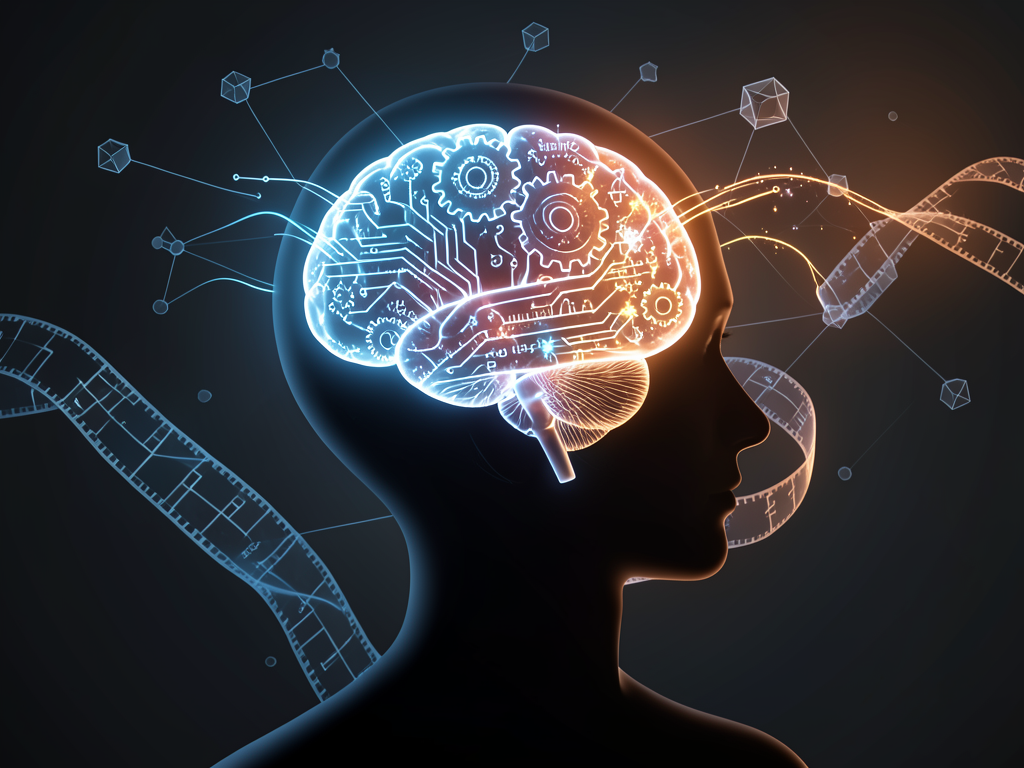
In 2015, the Computational Theory of Mind stood as one of the most influential frameworks in cognitive science. The theory proposes that the mind functions like a computer: mental processes are computational operations performed on internal representations. This idea, far from being a mere metaphor, has driven decades of research in artificial intelligence and neuroscience.
Core Claims of the Theory
The Computational Theory of Mind rests on several key propositions. First, mental states are computational states. Second, mental processes are algorithms that transform these states. Third, the physical substrate of the brain is irrelevant to the functional description of cognition. This last claim, known as multiple realizability, suggests that an artificial system could, in principle, possess a mind if it implements the right computational structure.
Why This Matters
The Computational Theory of Mind is not just an academic curiosity. It directly shapes the goals of artificial intelligence research. If the mind is a computer, then building a mind becomes a software engineering problem. This assumption has guided projects from early expert systems to modern large language models. Yet the theory also faces challenges: critics argue that it overlooks embodiment, emotion and the subjective quality of experience. The outcome of this debate will determine how we design AI and what we expect from it.
Influence on AI and Cognitive Science
By 2015, the Computational Theory of Mind had already inspired two major research programs. Classical AI pursued symbolic, rule-based systems. Connectionist AI, in contrast, modeled cognition as patterns of activation across neural networks. Both approaches, despite their differences, accept the core premise that cognition is computation. The difference lies in the style of computation: discrete symbols versus continuous activation. This tension continues to drive innovation in machine learning and cognitive architecture design.
Limitations and Ongoing Debate
The theory is not without its detractors. Philosophers like John Searle have argued that syntax alone cannot produce semantics, meaning a computer simulation of thought is not genuine thought. Other researchers point to the role of the body and environment in shaping cognition, an idea known as embodied cognition. These objections do not refute the Computational Theory of Mind but they do constrain its scope. The theory remains a powerful tool for explaining certain aspects of intelligence while leaving others unresolved.