Editor: Porcia Akua Holmes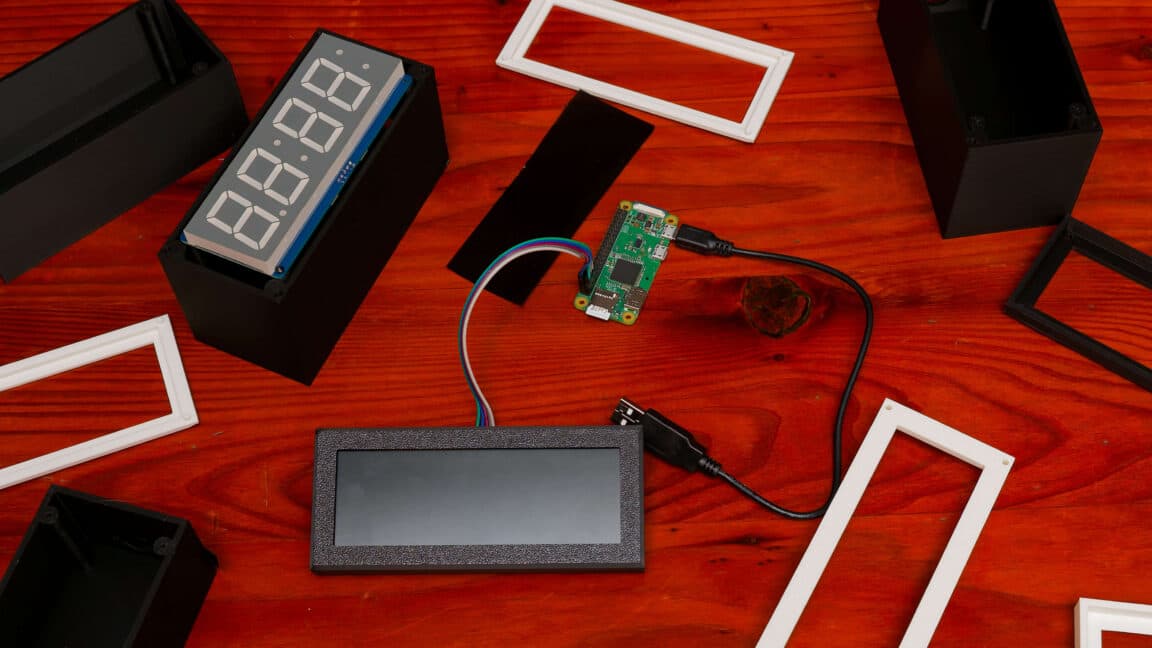
After one too many late-night battles with a blinking clock radio, one engineer decided to build the perfect self-setting clock. The result, called Things, is a custom timepiece that solves a surprisingly persistent problem of the digital age: Most clocks still require manual intervention for daylight saving time and power outages.
The Problem With Dumb Clocks
Most bedside clocks sold in the United States are cheap LED radios that depend on the user to press buttons twice a year. A power flicker resets them to midnight, forcing a manual correction. The frustration of standing in the dark holding down the 'Hour' button has pushed many to seek alternatives, including radio-controlled clocks that sync with the WWVB time signal broadcast from Colorado. That signal can reach most of North America, yet it remains rare in entry-level bedside clocks.
Things fills that gap. The project deliberately avoids internet connectivity, pairing instead with a dedicated radio receiver that picks up the WWVB signal. There is no companion app, no account, and no data collection. The clock updates its time automatically, even after a blackout, and adjusts for DST without user input.
Why This Matters
The Things project demonstrates that consumer electronics do not need to sacrifice simplicity or privacy for convenience. It challenges the assumption that every smart device requires an internet connection and a mobile app. For users tired of wrestling with DST twice a year, or frustrated by clocks that forget the time after a power glitch, Things offers a purpose-built solution that is both reliable and unobtrusive. More broadly, it shows that mature technologies such as radio-controlled timekeeping can still be repackaged into products that meet modern expectations. The real story is not just a custom clock but a reminder that innovation sometimes means going backwards to find better ways forward.