Editor: Porcia Akua Holmes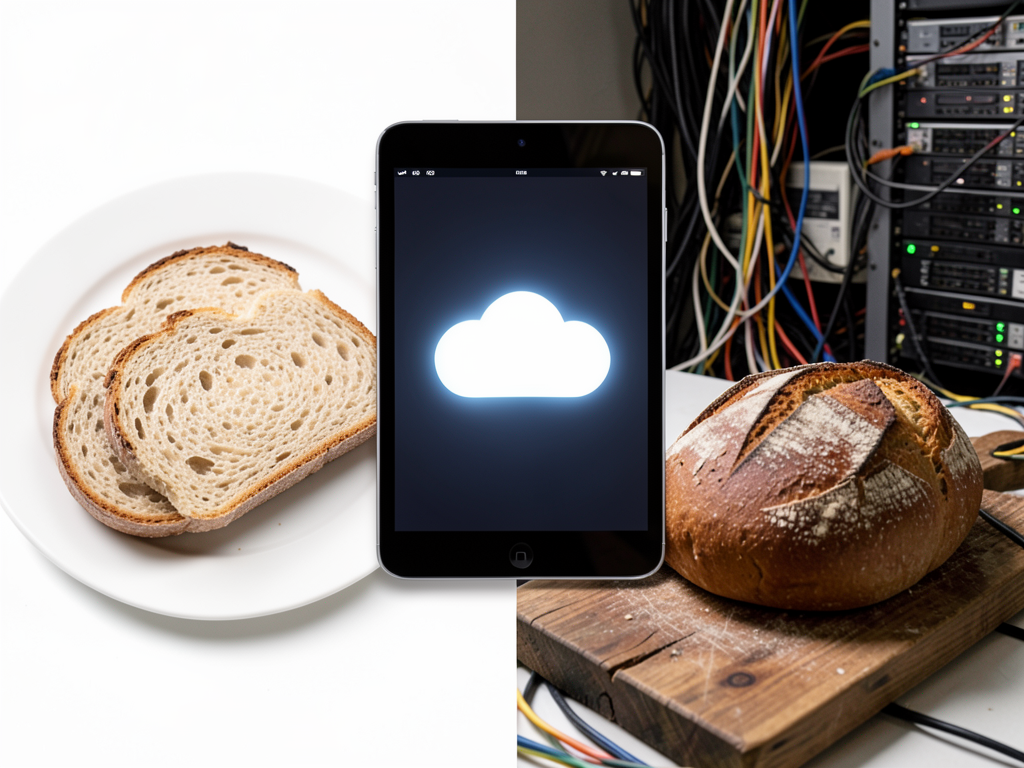
The bread paradox is a simple idea: people choose convenience over quality, even when the better option is available. Sliced bread won over artisan loaves not because it tasted better but because it was easier. That same logic, a recent Hacker News discussion argues, explains why the Software as a Service model remains dominant despite predictions of its decline.
The Convenience Advantage in Software
History shows that convenience consistently wins in technology. The shift from on-premise software to cloud-based SaaS mirrors the bread paradox. Users did not demand better features; they demanded simpler deployment and lower upfront costs. The same pattern appears across multiple industries:
Each of these examples reinforces the same lesson: the path of least resistance is the one users take. SaaS is built on that principle.
Why SaaS Is Not Doomed
Recent predictions suggest that AI agents, low-code platforms and open-source alternatives will kill SaaS. The bread paradox suggests otherwise. AI agents, for instance, are themselves delivered as SaaS services. They do not replace the model; they add a new convenience layer. Similarly, no-code tools often run on top of SaaS infrastructure. The underlying subscription model remains intact.
The true threat to a SaaS company is not the model itself but a failure to prioritize convenience. Companies that add complexity, require long onboarding or force manual integration will lose users to simpler alternatives. The winners in the next decade will be those that treat convenience as a product feature, not an afterthought.
Why This Matters
For SaaS founders and product teams, the bread paradox is a strategic warning. Feature bloat and technical sophistication matter less than removing friction from the user experience. For investors, the resilience of SaaS means capital continues to flow into subscription-based models, especially those that embed AI seamlessly. For everyday users, the trend is good news: software will keep getting easier to use, even as it becomes more powerful. The companies that fail to understand convenience will be the ones that truly are doomed.