Senior Editor: Alan Agbele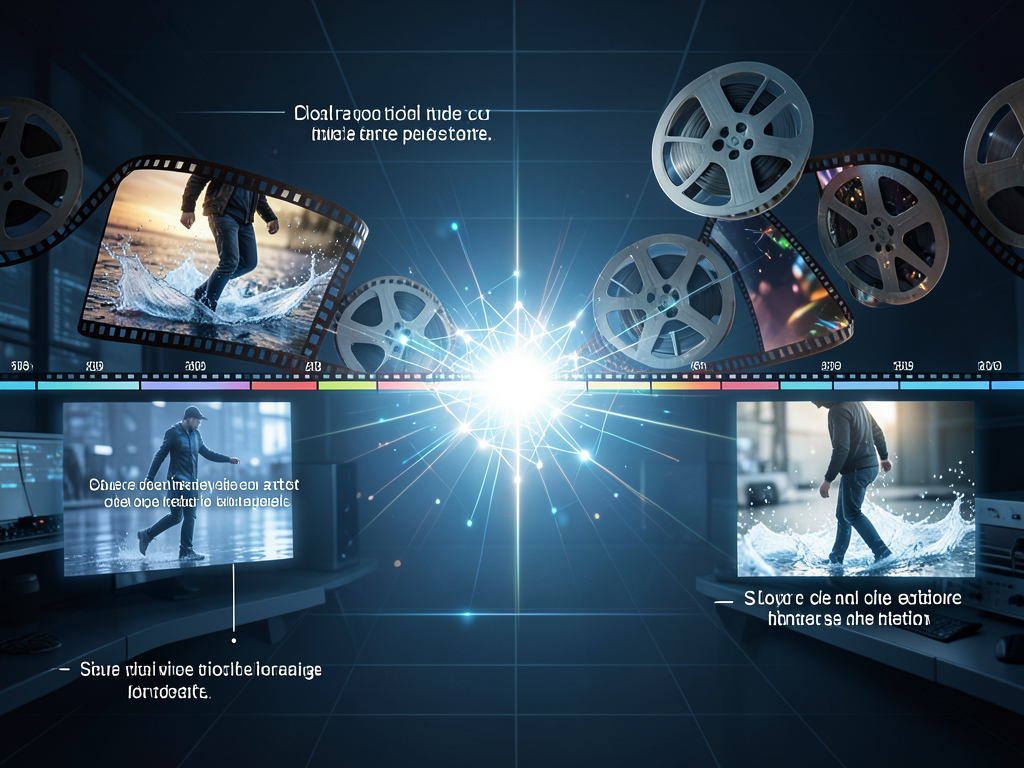
Generative artificial intelligence has taken a significant leap forward with the emergence of text-to-video models. These systems can produce short video clips from simple text descriptions, marking a shift from static image generation to dynamic visual storytelling. The development signals a new phase in AI capabilities that could reshape industries from entertainment to advertising.
The Technology Behind the Shift
Text-to-video models build on advances in diffusion models and transformer architectures. Unlike earlier AI tools that generated still images, these systems must maintain temporal consistency across frames. They learn from vast datasets of video-text pairs to understand how objects move, interact and change over time. Companies like OpenAI with Sora and Google with Lumiere have demonstrated outputs that show coherent motion, realistic physics and even narrative logic within short clips.
The technical challenge is immense. Generating a single second of video at standard frame rates requires producing 24 to 30 distinct images that must align seamlessly. Early results show impressive quality but also reveal limitations in handling complex scenes or long durations.
Who Stands to Gain
The immediate beneficiaries include filmmakers, advertisers and social media creators who can prototype ideas rapidly without expensive production equipment. Marketing teams could generate product demos or brand stories in minutes rather than weeks. Educators might create custom visual aids for lessons on demand.
But the technology also threatens established workflows. Video editors, animators and stock footage producers face potential disruption as automated generation becomes more accessible. The balance between human creativity and machine efficiency will define how these tools integrate into professional pipelines.
Why This Matters
Text-to-video AI matters because it lowers the barrier to high-quality video production while introducing new risks around misinformation and copyright. Anyone with an internet connection could soon generate convincing footage of events that never happened. Deepfake detection tools will need to evolve rapidly alongside generative models.
Regulators are watching closely as well. The European Union's AI Act classifies deepfakes as high-risk applications requiring transparency labels. Similar frameworks may emerge globally as synthetic media becomes harder to distinguish from real recordings.
The Road Ahead
Current text-to-video models remain limited in resolution, duration and consistency compared to traditional filmmaking methods but progress is accelerating rapidly within research labs worldwide. Open-source alternatives are also emerging which could democratize access further while complicating governance efforts.
The next frontier involves integrating audio generation lip synchronization and interactive control over scene elements all within unified generative platforms such developments would push synthetic media closer toward full cinematic realism raising profound questions about authenticity authorship and trust in digital content ecosystems moving forward .