 Editor: Porcia Akua Holmes
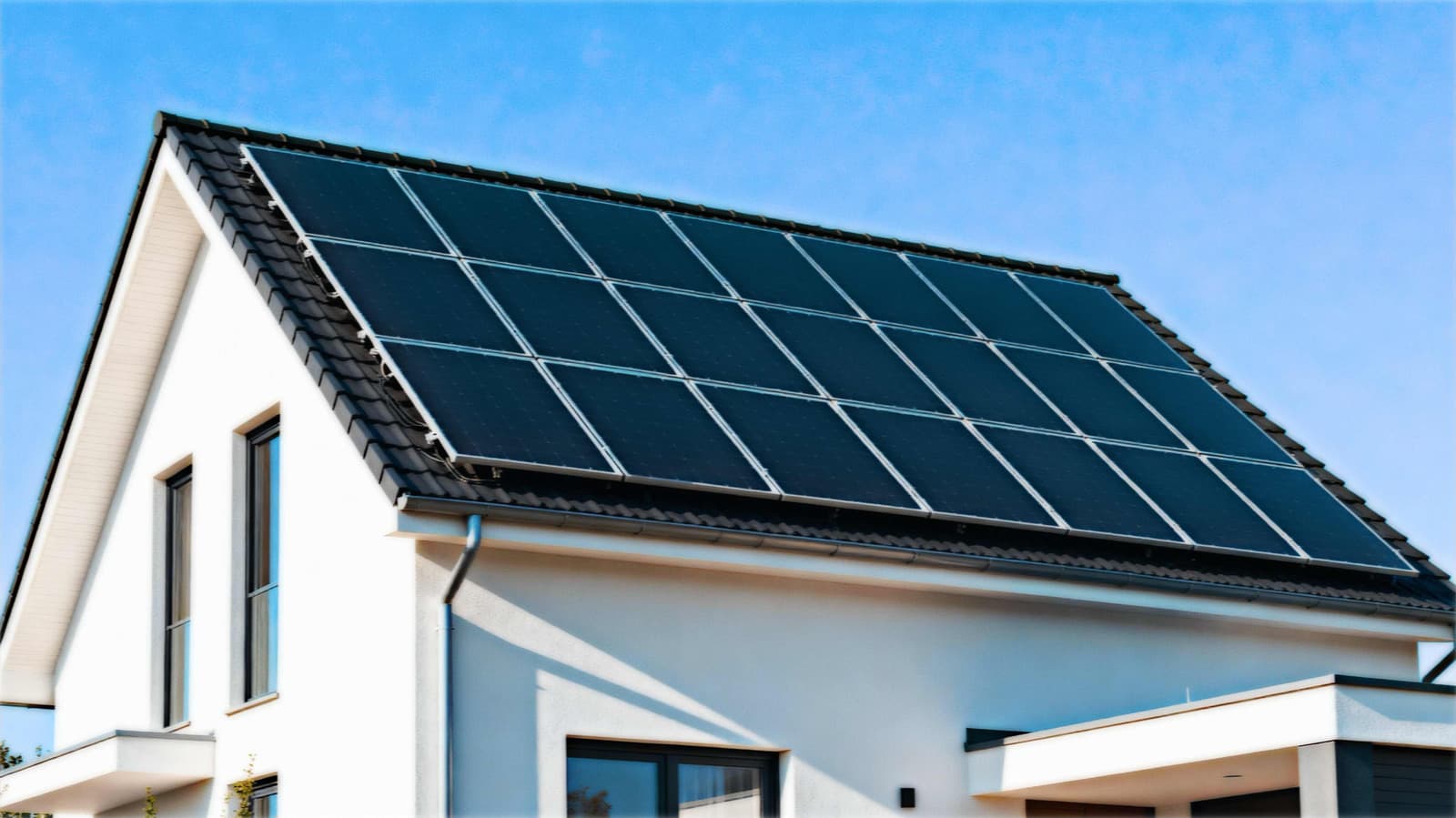
Tesla's Solar Roof is no longer a novelty. As 2026 approaches, the question for homeowners has shifted from what it is to whether it pays. The answer hinges on factors that go far beyond the sticker price.
The Real Cost Drivers Behind a Solar Roof Quote
Tesla's Solar Roof is priced by roof area and complexity, not by the number of panels. That means two homes with identical square footage can receive vastly different quotes. Roof pitch, number of facets, dormers and chimneys all add labor and material costs.
Installation also requires a Tesla-certified installer, which limits competition in some regions. Homeowners in areas with few certified crews may face longer wait times and less pricing flexibility. The upfront cost remains significantly higher than a traditional roof plus solar panels.
How Solar Roof Compares to Panels and Shingles
The comparison most homeowners should make is between three options: a new shingle roof with solar panels, a standalone solar panel system on an existing roof, or Tesla's Solar Roof. Each has a different cost profile and lifespan.
Homeowners with an aging roof may find the Solar Roof more attractive because it solves two problems at once. Those with a newer roof, however, may struggle to justify the premium.
Why This Matters
The decision has long-term financial consequences that extend beyond energy savings. A Solar Roof can increase home value, but the premium may not be fully recouped in all markets. Real estate agents in some regions report that buyers value solar, but not always at the seller's cost.
For homeowners planning to stay for a decade or more, the math can work in favor of the Solar Roof, especially with rising electricity rates. Those planning to move sooner should weigh the risk that the investment is not fully recovered in a sale.
The Role of Incentives and Financing
Federal tax credits and local incentives can significantly reduce the effective cost of a Solar Roof. The federal residential clean energy credit, for example, applies to the solar portion of the roof. State and utility rebates vary widely.
Financing options, including Tesla's own solar loans, can spread the cost over time. Homeowners should compare loan terms carefully, as longer terms may increase total interest paid. A lower monthly payment does not always mean a better deal.
Making the Decision for 2026
The case for Tesla's Solar Roof in 2026 is strongest for homeowners who need a new roof, plan to stay long term and live in areas with high electricity rates and strong incentives. For others, the premium may be hard to justify.
Ultimately, the question of whether Tesla's Solar Roof is worth it to power your home in 2026 depends on individual circumstances. A detailed quote comparison and a clear-eyed look at long-term plans are essential before signing.


