Senior Editor: Alan Agbele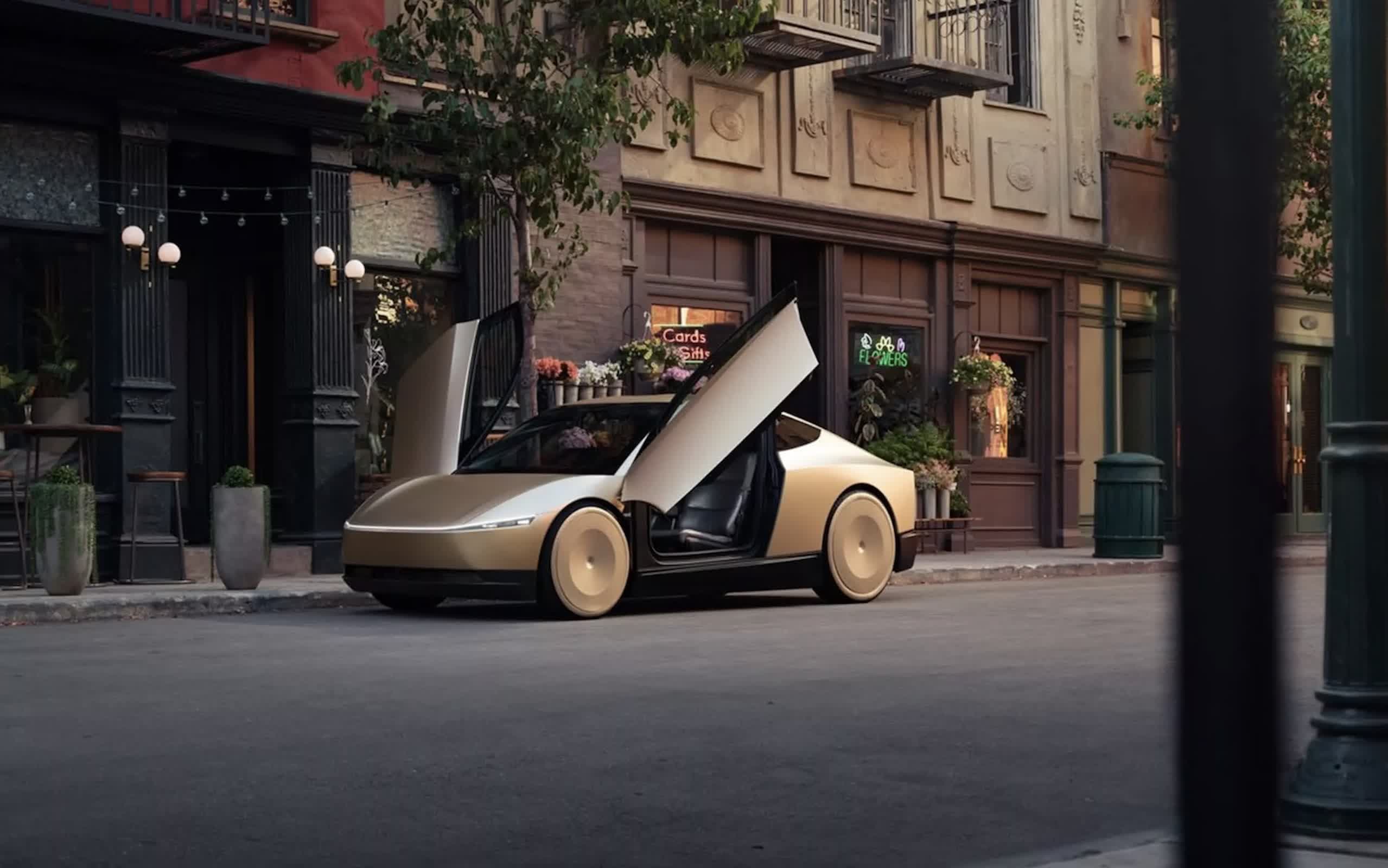
Tesla's long-awaited Cybercab robotaxi may lack traditional driving controls, but a newly revealed touchscreen interface hints at a human override capability. A demonstration video shows the vehicle's central display split into two sections: a control panel on the left and a camera view on the right. The left panel includes a virtual joystick, door controls and a support call button, suggesting that passengers could potentially take manual control despite the absence of a steering wheel and pedals.
Inside the Cybercab Interface
The touchscreen layout uncovered in the video reveals several controls that go beyond typical autonomous vehicle interfaces. On the left side of the display, users see a joystick icon, a button to close cabin doors and a prompt to call support. The right side shows a real-time feed from the vehicle's cameras, likely used for navigation awareness when manual control is engaged.
Tesla has not confirmed whether the joystick will ship with the production Cybercab. The feature may be part of a development interface used by engineers rather than a customer-facing control. Still, its existence suggests that Tesla has built in a fallback mode for scenarios where full autonomy fails.
Why This Matters
The Cybercab's hidden joystick reflects a broader tension in the autonomous vehicle industry between full driverless operation and the need for human oversight. If passengers can manually drive the vehicle, regulators may demand stricter safety standards, including driver training requirements and liability frameworks. The feature could also affect insurance models, since manual driving by untrained users introduces new risk factors. For competitors like Waymo and Cruise, Tesla's approach may be seen as a compromise that undermines the promise of true autonomy. For Tesla, it offers a practical safety net while the company works to perfect its self-driving software.
Regulatory and Safety Questions
The absence of a steering wheel and pedals initially suggested the Cybercab would operate solely under Tesla's Full Self-Driving system. The hidden joystick complicates that picture. If humans can take control, regulators may classify the vehicle as a dual-mode system, requiring additional testing and certification. Passengers might also need to remain licensed drivers, which could limit the robotaxi's appeal to non-drivers.
Safety advocates worry that a touchscreen joystick, lacking tactile feedback, could be less responsive than a traditional steering wheel in emergencies. The interface also occupies the same screen used for navigation and camera views, potentially distracting drivers during critical moments. Tesla has not released details about joystick sensitivity or fail-safe mechanisms.
Tesla CEO Elon Musk has previously stated that the Cybercab would be fully autonomous by 2027. The discovery of a manual control interface suggests the company is preparing for a gradual rollout where human supervision remains part of the system. Whether regulators accept this hybrid model will shape the future of robotaxi deployment worldwide.