Senior Editor: Alan Agbele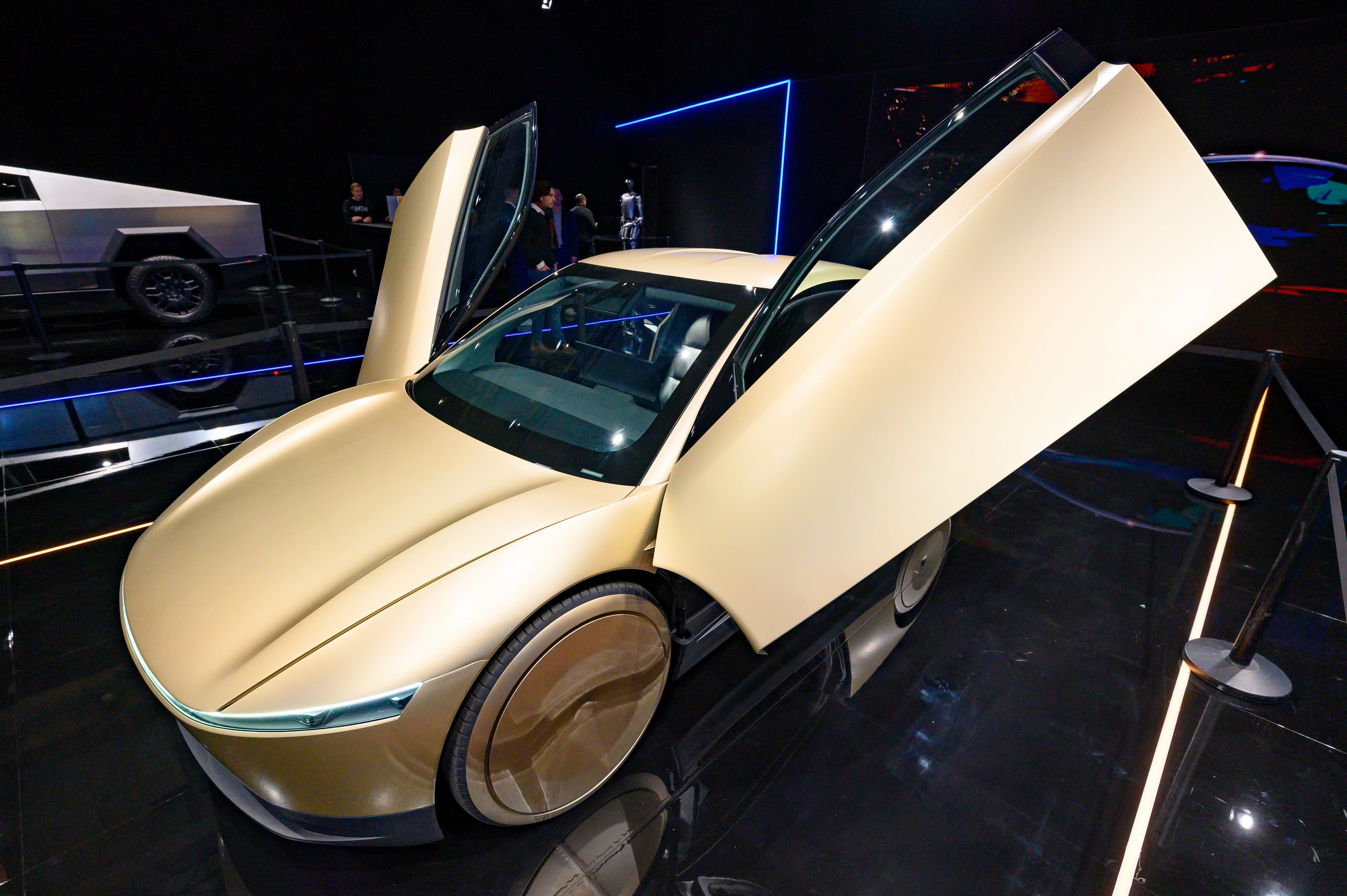
Tesla's Cybercab, which officially launches today, is already under investigation by the US government for failing to meet vehicle safety standards. The absence of a steering wheel and pedals in the fully autonomous vehicle has triggered a federal review that could delay its rollout or force design changes.
What the Investigation Targets
The National Highway Traffic Safety Administration is examining if the Cybercab meets safety standards that have long required manual controls. Specifically, regulators are looking at:
Broader Regulatory Tensions
The US has no comprehensive federal framework for fully autonomous vehicles manufactured without manual controls. Automakers must obtain exemptions from safety standards, a process that requires demonstrating an equal level of safety. Tesla has not yet applied for such an exemption for the Cybercab, leaving the vehicle in legal limbo. Meanwhile, competitors like Waymo and Cruise have spent years navigating state-by-state approvals but still include steering wheels in their current fleets. The Cybercab represents a sharper break from existing norms, and the investigation could force Tesla to add manual controls or persuade Congress to update outdated rules. Consumer advocacy groups argue that the absence of a driver backup system increases safety risks in edge cases such as construction zones, bad weather and sensor failures.
Why This Matters
This investigation matters because it tests whether the US regulatory system can adapt to vehicles like the Cybercab that are designed from the ground up without human input. If the probe results in a stop-sale order or required design changes, it could delay Tesla's plans to produce the Cybercab at scale and scare off investors counting on robotaxi revenue. On the other hand, a green light from regulators would effectively endorse Tesla's safety argument and open the door for competitors to strip away steering wheels. For consumers, the outcome will determine whether they can ride in cars that are truly driverless or whether regulators will insist on maintaining a human fallback for decades to come. The decision will ripple through insurance markets, municipal transportation planning and the entire autonomous vehicle supply chain.