The robot lawn mower market has long struggled with a simple problem. Many models require buried boundary wires, smartphone apps and lengthy calibration. For homeowners who just want a working lawn without the technical headache, the barrier has been high. TerraMow believes it has a solution.
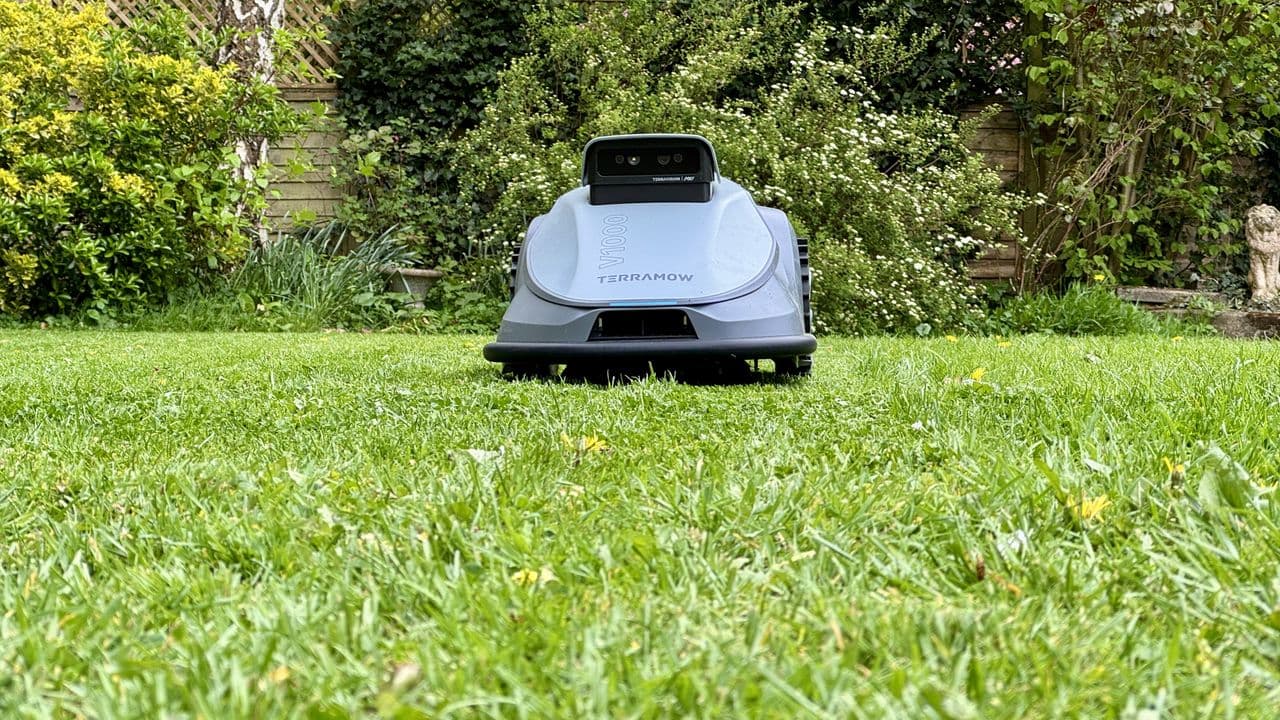
The company unveiled the V1000, a wire-free mower designed specifically for beginners and reluctant users. The device uses onboard sensors and a virtual boundary system to navigate yards without physical wires. Users set the mowing area through a simple control panel on the unit itself, bypassing the need for a connected phone.
Why This Matters
Robot mowers have existed for years but adoption remains low among casual homeowners. Setup complexity and ongoing maintenance of boundary wires have been major deterrents. The V1000 removes these obstacles. For people who are not tech-savvy or simply want a lawn mower that works out of the box, this product addresses a real pain point. If successful, it could expand the market beyond early adopters into the mainstream.
How It Works
The V1000 relies on a combination of ultrasonic sensors and a learn mode. During the first pass, the mower maps the yard perimeter by following the lawn edge. Users can define no-go zones using physical markers or the onboard controls. The mower then returns to a charging dock automatically. TerraMow claims the unit handles slopes up to 20 degrees and manages yards up to half an acre on a single charge.
Maintenance is minimal. The blade system is designed for easy replacement. The mower does not require Wi-Fi or a subscription. All settings are adjusted directly on the device. This approach stands in contrast to many competitors that push app-based control and cloud features.
Pricing and Availability
The TerraMow V1000 is priced at $1,199 and begins shipping in June. The company offers a two-year warranty. Direct online sales will be the primary channel. TerraMow has not announced retail partnerships yet.
Early reviews from tech outlets note the simplified setup process. The trade-off is less customization compared to app-controlled models. For the target audience of beginners and technophobes, that trade-off may not matter.