 Senior Editor: Alan Agbele
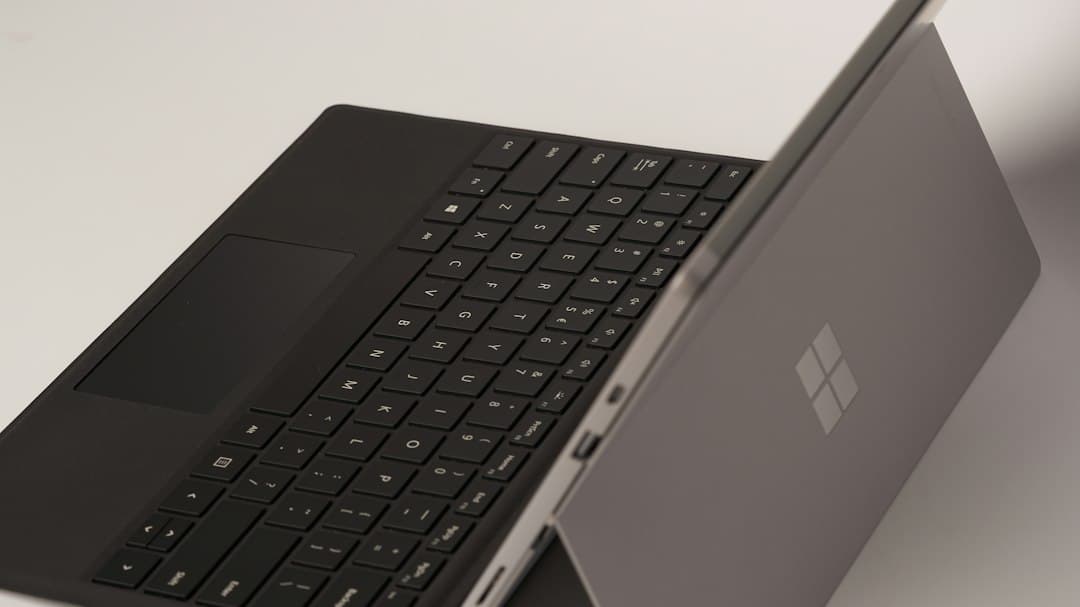
The first wave of Microsoft Surface Laptop Ultra reviews has arrived, and the verdict is far from unanimous. Reviewers agree the device looks and feels like a genuine MacBook Pro competitor, yet many stop short of calling it a better buy.
Powered by RTX Spark, the premium Arm laptop draws consistent praise for its MacBook-like build quality, AI capabilities and overall versatility. Those strengths, however, collide with a steep price, modest battery life and persistent Windows software limitations.
A Premium Arm Laptop With MacBook Ambitions
Microsoft has positioned the Surface Laptop Ultra as its most serious challenge yet to the MacBook Pro. The company leans on RTX Spark silicon and a refined chassis to argue that Windows hardware can match Apple on fit and finish.
Reviewers largely accept that argument on the physical design. The laptop earns comparisons to the MacBook for its rigid build, clean lines and premium materials. That matters because Windows laptops have historically trailed Apple on perceived craftsmanship.
Where the Hardware Delivers
The AI capabilities built into the Surface Laptop Ultra give Microsoft a fresh talking point against the MacBook. Local processing for AI workloads is a differentiator that Apple cannot easily match on older MacBook generations.
Versatility also works in Microsoft's favor. The device handles productivity, creative tasks and light gaming in ways that earlier Arm-based Windows machines could not. Reviewers credit RTX Spark for closing much of the performance gap.
Price and Battery Life Cloud the Launch
The biggest complaints center on cost. The Surface Laptop Ultra sits close to MacBook Pro pricing, which forces buyers to weigh Microsoft's offering against a proven Apple ecosystem.
Battery life falls short of expectations for a premium Arm laptop. That weakness undercuts one of the main reasons buyers choose Arm designs in the first place.
Windows software limitations add another layer of friction. Some applications still run better on x86 hardware or through emulation, which can affect performance and reliability.
Those issues do not make the Surface Laptop Ultra a failure. They simply mean Microsoft has matched Apple on hardware while still trailing on the software experience that surrounds it.
Why This Matters
The Surface Laptop Ultra launch signals that Microsoft intends to fight for the premium laptop buyer rather than cede that ground to Apple. If the device gains traction, it could pressure Apple to accelerate MacBook updates and push other Windows makers to raise their own build standards.
For buyers, the calculation changes. A MacBook Pro alternative now exists with comparable hardware, but the trade-offs around battery life and software compatibility mean the decision hinges on which ecosystem serves their daily work better.
Microsoft's real test comes after the reviews fade. Sustained sales will depend on whether developers optimize for Arm and whether Microsoft can improve battery efficiency in future revisions.
What You Need to Know
The early review cycle confirms the Surface Laptop Ultra is a credible MacBook Pro rival on design and AI features. It also confirms that premium pricing alone does not guarantee a seamless Windows experience.
Prospective buyers should weigh three factors before committing: how often they rely on Windows-only software, how much battery life they need on the road and whether the price premium over competing Windows laptops is justified by the hardware gains.
Microsoft has raised the bar for its own Surface line. Whether the MacBook Pro loses share as a result depends less on this first generation and more on how quickly Microsoft addresses its remaining weaknesses.


