Senior Editor: Alan Agbele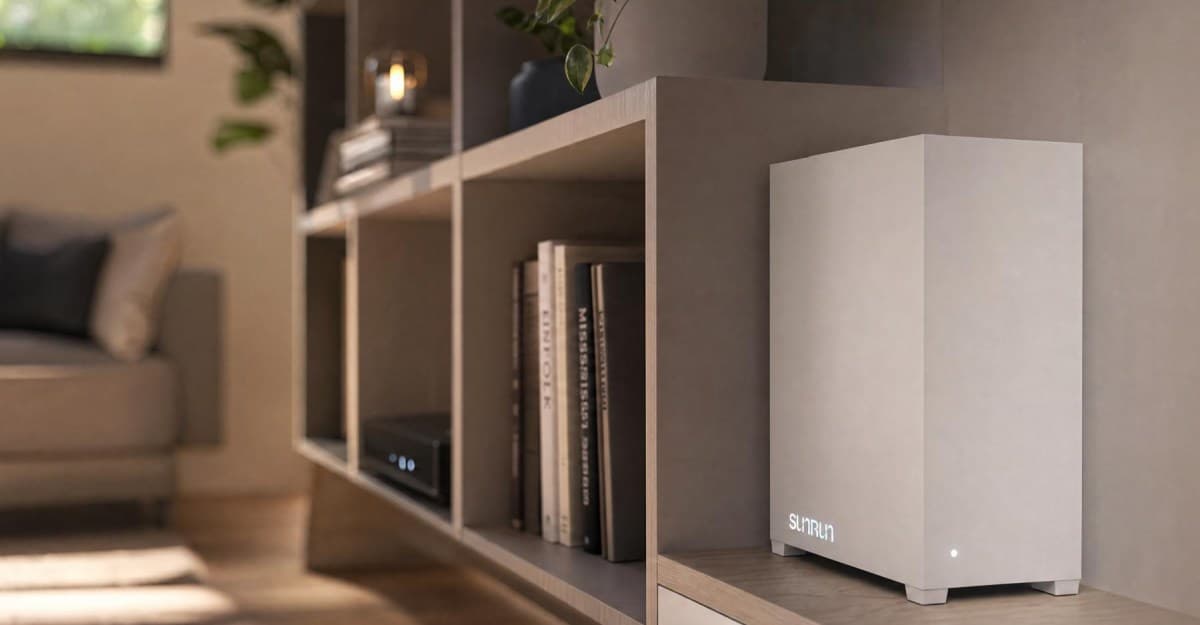
A solar energy company is turning residential rooftops into the backbone of a distributed AI data center. Sunrun this week announced a pilot program that places compute nodes in homes equipped with its solar panels and battery storage, paying customers for the space and power. The company plans to sell the aggregated computing capacity to enterprise AI buyers, offering homeowners a new income stream while addressing the growing demand for AI infrastructure.
How the Sunrun Pilot Works
Sunrun will install compact compute nodes in the homes of customers who already have the company's solar panels and battery storage systems. These nodes draw power from the home's solar setup, with excess energy stored in the battery. Participants are compensated for hosting the equipment and for the electricity consumed. Sunrun then aggregates the distributed compute power and sells it to enterprise customers, including AI companies that need large-scale processing capacity.
The pilot is early stage and limited in scope. Sunrun has not disclosed how many homes will be included or the exact compensation structure. The company frames the initiative as a way to repurpose existing energy infrastructure for the compute demands of artificial intelligence.
Why Distributed Compute Matters for AI
The AI industry faces a severe bottleneck in data center capacity and energy supply. Centralized data centers consume vast amounts of electricity and require significant land and cooling resources. By distributing compute nodes across hundreds or thousands of homes, Sunrun's model could alleviate some of that pressure. It also aligns with the trend toward edge computing, where processing happens closer to the data source.
Sunrun's approach uses renewable energy from residential solar panels, potentially lowering the carbon footprint of AI workloads. For homeowners, the program offers a way to monetize their solar investment beyond net metering or backup power. For AI companies, it provides access to a geographically distributed compute grid that could improve latency for certain applications.
Why This Matters
Sunrun's pilot could reshape how AI infrastructure is built and owned. If successful, it would prove that residential energy systems can serve double duty as compute resources, blurring the line between consumer energy markets and industrial AI operations. The model also introduces a new relationship between homeowners and AI companies, where households become direct participants in the AI supply chain.
Challenges remain. Latency may limit the types of AI workloads suitable for home-based nodes. Security and maintenance of equipment in private homes pose operational risks. And customer churn could disrupt compute availability. But if the economics work, Sunrun's experiment could inspire other energy companies to follow suit, accelerating the shift toward decentralized AI infrastructure.
The question ‘Would you host part of an AI data center in your home?’ is no longer hypothetical. Sunrun is betting that enough homeowners will answer yes.