Senior Editor: Alan Agbele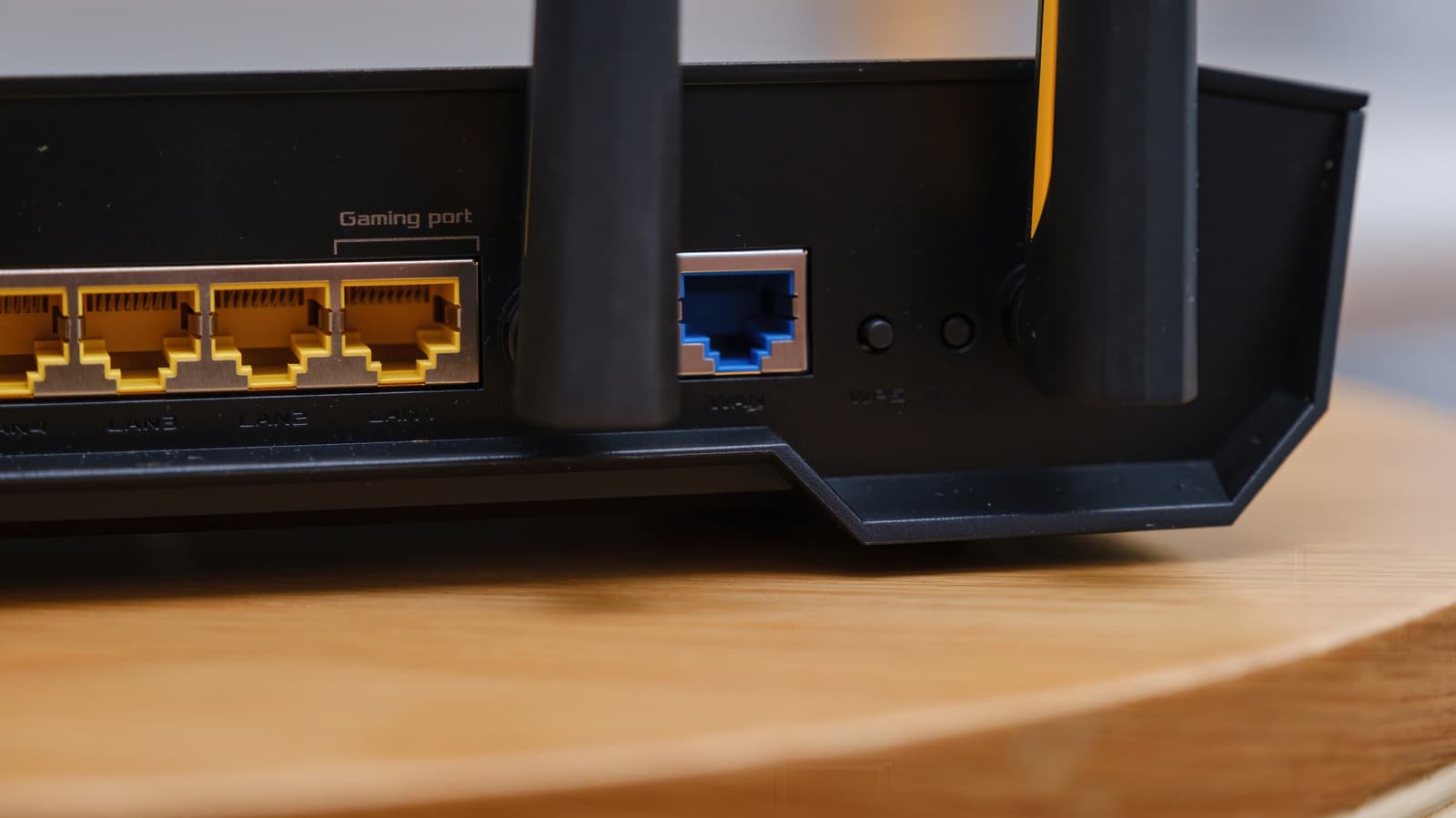
The question of whether a dedicated gaming router outperforms a standard Wi-Fi router rarely gets a straight answer. The marketing materials are thick with terms like QoS, MU-MIMO and OFDMA, but the real difference comes down to how your network is used. The headline debate often framed as 'Fi Router Vs Gaming Router' raises questions about actual performance gains and whether the extra cost is justified.
The Hardware Differences
Both standard and gaming routers use the same Wi-Fi standards, chipsets and antenna designs. The distinction lies in software and firmware features. A gaming router typically includes a more powerful processor to handle traffic shaping, along with dedicated gaming LAN ports that prioritize traffic from a wired PC. Some models also offer VPN support at the router level and customizable RGB lighting, which adds to the cost but not to performance.
Vendors often market gaming routers with higher maximum speeds, but these numbers are theoretical. In practice, a standard Wi-Fi 6 router from a reputable brand can deliver the same throughput as a gaming router under normal conditions. The real-world advantage of a gaming router emerges only when the network is under heavy load from multiple streams.
Marketing vs. Reality
Promotional claims frequently center on low latency and reduced jitter. While these metrics matter for online gaming, the improvements are marginal for most users. A standard router with proper placement and minimal interference already provides a stable connection. The question 'Can You Really Tell The Difference' between the two on a typical home network usually gets a no from non-gamers.
Independent tests show that gaming routers reduce ping by less than 5 milliseconds in most scenarios. That difference is imperceptible to the human eye and ear. The real benefit comes from the Quality of Service (QoS) settings that allow a gaming router to prioritize gaming traffic over video streaming or file downloads. Standard routers often lack granular QoS controls, which can lead to lag spikes during peak usage.
Who Needs a Gaming Router
Competitive gamers who play online shooters or real-time strategy games will benefit from the lower latency and traffic prioritization. Users with large households where multiple people stream, game and video call simultaneously will also see a difference. For everyone else, a well-chosen standard router from brands like TP-Link, Asus or Netgear delivers reliable performance without the premium price tag.
The decision ultimately depends on network demands. A gaming router is a specialized tool, not a universal upgrade. The question 'Can You Really Tell The Difference' is best answered by examining your own usage patterns. If your current router handles your needs without lag, a gaming router is unlikely to change your experience.
Why This Matters
The consumer electronics market is flooded with gaming-branded products that command higher prices. Understanding the actual differences between a standard router and a gaming router saves money and prevents unnecessary upgrades. For the majority of households, the money spent on a gaming router could be better invested in a mesh system or a faster internet plan. The real impact will be felt by those who do not need the extra features but buy into the marketing hype, leaving them with a more expensive yet functionally identical network.