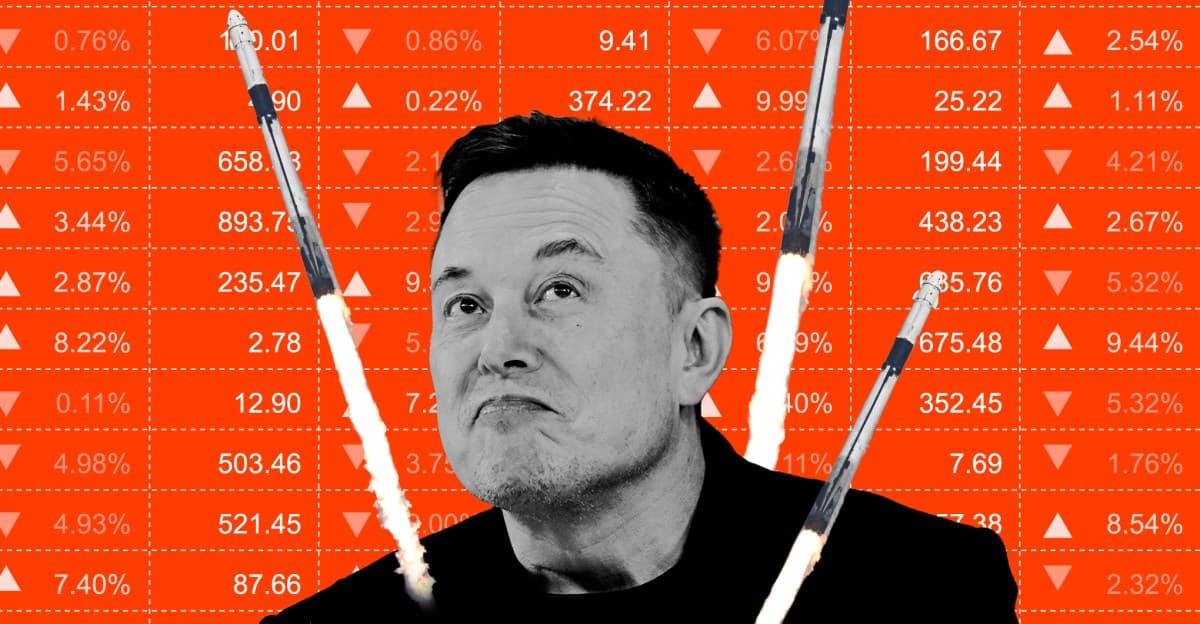
Elon Musk filed to take SpaceX public, and the numbers look both breathtaking and dangerous. The company is seeking a valuation above $1 trillion despite losing nearly $5 billion last year. Its S-1 filing claims a total addressable market of $28.5 trillion. That figure is so large it suggests SpaceX sees itself dominating industries beyond space, including AI and global transport.
The filing invites comparisons to the WeWork IPO disaster. WeWork was a joke built on hype. SpaceX is a real company with real rockets and government contracts. The risk is the same: ordinary investors could be left holding overvalued shares while insiders cash out.
The Numbers Behind the Hype
SpaceX reported $5 billion in losses for the last fiscal year. That is a massive burn rate for a company already valued at hundreds of billions in private markets. The proposed $1 trillion valuation would make SpaceX one of the most valuable companies on Earth, on par with tech giants like Apple and Microsoft. Yet SpaceX's revenue comes primarily from launching satellites and NASA missions. Those are profitable but not trillion-dollar businesses.
The $28.5 trillion TAM is the most eye-popping number. SpaceX essentially claims it could capture revenue from space-based internet, lunar mining, Mars colonization and even AI data centers in orbit. Most of these markets do not exist today. The TAM calculation assumes SpaceX wins virtually all future business in those categories. That is an extraordinary bet.
Why This Matters
Retail investors are the ones most at risk. Institutional investors and early shareholders can sell into the IPO at high prices. But everyday buyers who purchase shares at the opening may find themselves owning a stock priced for perfection. Any miss on revenue or regulatory setback could trigger a sharp decline. The WeWork story is a warning: hype can make a stock look incredible until reality catches up.
SpaceX also operates in a regulatory heavy environment. The FAA, FCC and international bodies control launch licenses and spectrum rights. A single delay or dispute could hurt growth projections. The company's reliance on Starlink for future revenue adds another layer of risk. Starlink faces competition from Amazon's Project Kuiper and other low earth orbit satellite networks.
Musk has a history of making bold claims. His track record with Tesla shows he can deliver on some promises but often later than expected. SpaceX stock could mirror that volatility. Investors should ask whether the current valuation already prices in years of perfect execution.
The IPO will likely be one of the largest and most hyped in history. But for those without deep pockets, the smartest move may be to watch from the sidelines.