Senior Editor: Alan Agbele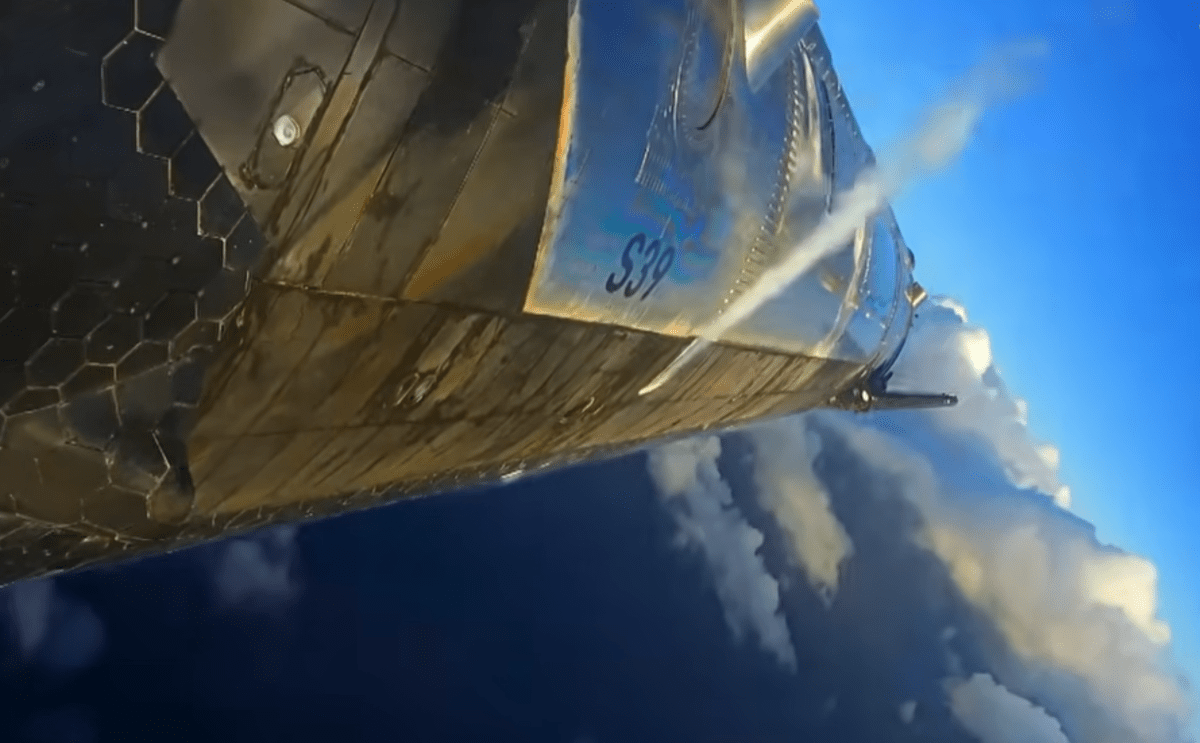
SpaceX’s recent S-1 filing and the latest Starship test flight have delivered two conflicting signals. One suggests financial discipline. The other reveals technical ambition. Together they paint a murky picture for the company’s core promise: full and rapid rocket reusability.
Investors who bought into the SpaceX IPO expected growth and profitability. The Starship program, however, requires massive capital and time. The test flight showed progress but also revealed critical design hurdles that will delay operational reuse.
The S-1 Reality Check
The S-1 document outlines SpaceX’s financial health and risks. For the first time, the company must balance long-term vision with quarterly expectations. Reusability is expensive. Each test flight costs tens of millions. Shareholders may demand milestones that favor incremental upgrades over radical leaps.
SpaceX’s leadership has always prioritized rapid iteration. That model worked while the company was private. Now, public market pressures could slow down the testing cadence. Engineers may need to justify costs more rigorously. The result could be a more conservative development timeline.
What the Test Flight Revealed
Starship’s latest launch achieved several firsts. The vehicle reached orbit and demonstrated controlled reentry. But key systems for reuse, such as heat shield tiles and engine relight, showed signs of strain. The landing burn failed to slow the vehicle enough for a soft touchdown.
SpaceX had hoped to recover the upper stage after just a few flights. The current data suggests many more test flights are needed. Each failure adds months of redesign and retesting. The S-1 timeline may not align with this reality.
Why This Matters
Starship’s reusability is central to lowering launch costs and enabling missions to Mars. If the IPO slows Starship’s development, competitors like Blue Origin and NASA’s SLS could gain ground. For taxpayers and space enthusiasts, the dream of affordable heavy lift fades. For investors, the risk of cost overruns rises.
The tension between public market expectations and Elon Musk’s ambitious roadmap is now out in the open. SpaceX must navigate this carefully. If it prioritizes short-term profits, reusability may be delayed. If it sticks to the original plan, the stock could suffer.
The next few years will determine whether SpaceX can have both: a thriving public company and a fully reusable Starship. Early indications suggest the path is murkier than ever.