Editor: Porcia Akua Holmes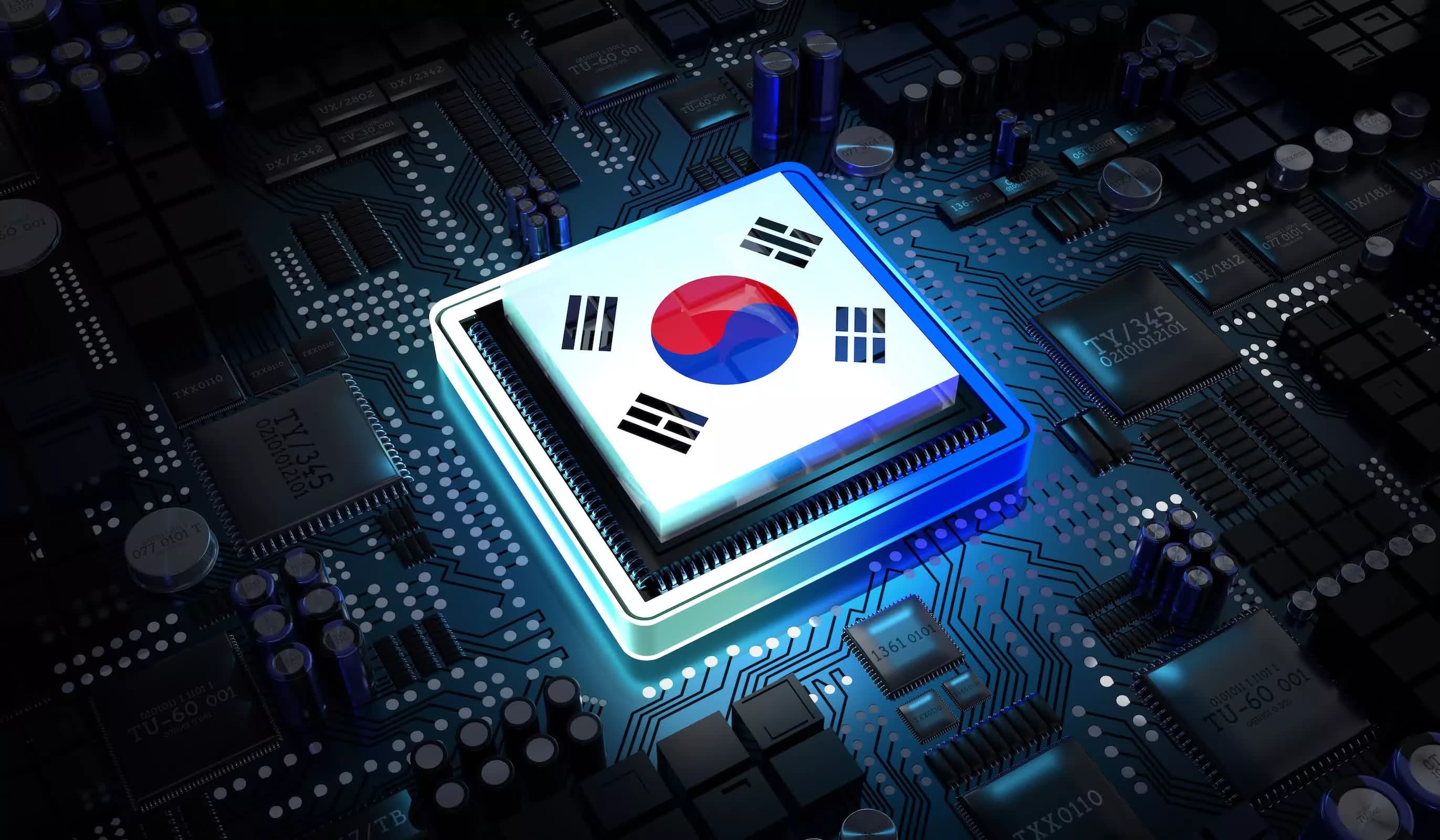
South Korea is set to provide every citizen with free access to artificial intelligence services, eliminating token limits and usage caps. The government's "AI for All" initiative will begin beta testing in September 2025, with a full rollout expected later this year. Three technology consortia, including groups led by the nation's two largest telecom companies and the operator of Kakao, have been selected to deliver the services.
Program Details and Timeline
The beta phase, scheduled to begin in September, will allow early adopters to test the services before a wider public launch. The government has not disclosed the total budget for the program or how it will sustain free access over the long term. Officials, however, have emphasized that there will be no token limits, a common restriction in existing AI services that cap the number of queries or interactions per day.
Three Consortia to Power the Service
Seoul named three technology consortia on Friday to provide the AI infrastructure. Each group brings unique strengths to the project.
These consortia will likely compete to offer the best user experience, though the government will set the overarching framework for access and data handling.
Why This Matters
The South Korean program could dramatically accelerate AI adoption across demographics that currently face cost or complexity barriers. Students, small business owners and elderly citizens stand to benefit most from unrestricted access. The initiative also pressures other governments to consider similar public investments in AI infrastructure, potentially shifting the global landscape of AI accessibility. However, questions remain about data privacy, as free services often rely on user data for improvement and monetization. South Korea's approach, if successful, may set a precedent for state-funded AI as a public utility.
The South Korean government has framed this as a matter of national competitiveness. By equipping the entire population with AI tools, officials hope to spur innovation in industries from manufacturing to healthcare. Critics, on the other hand, warn that reliance on government-provided AI could stifle private sector competition and concentrate too much power in the state's hands.
Global Context
The "AI for All" program arrives at a time when many countries are debating how to regulate and promote artificial intelligence. South Korea's move is among the most aggressive, surpassing similar efforts in Japan and Singapore. The absence of token limits is particularly notable; most free tiers of tools like ChatGPT or Google Gemini impose constraints on usage. By removing those limits, South Korea ensures that citizens can use AI extensively for education, work and personal projects without incurring costs.
For the full report, readers can 'Read Entire Article' at TechSpot.