 Senior Editor: Alan Agbele
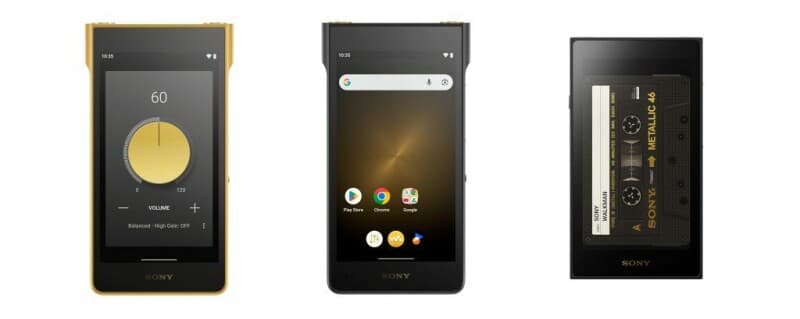
Sony has priced its new flagship Walkman at $5,900, a figure that places a portable music player in direct competition with high-end laptops and premium smartphones. The company revived the Walkman name with three Android-powered models, and the top-tier NW-WM1ZM3 carries a gold-plated copper chassis that Sony says improves sound quality.
A Three-Tier Bet on Luxury Audio Hardware
The lineup splits into three distinct price points, each targeting a different buyer. The NW-ZX900 sits at the bottom with a five-inch touch screen and 64GB of storage for $1,900. The mid-range NW-WM1AM3 doubles storage to 128GB and adds a 5.5-inch display for $3,000.
The flagship NW-WM1ZM3 matches the 5.5-inch screen and raises storage to 256GB. Its defining feature is a chassis milled from copper and finished in gold plating, a material choice Sony links directly to acoustic performance.
| Model | Price | Storage | Screen |
|---|---|---|---|
| NW-ZX900 | $1,900 | 64GB | 5-inch |
| NW-WM1AM3 | $3,000 | 128GB | 5.5-inch |
| NW-WM1ZM3 | $5,900 | 256GB | 5.5-inch |
All three run Android 16 with Wi-Fi access to streaming platforms. Sony claims battery life of roughly 30 hours per charge, and each unit charges over USB. The players support MP3, WMA, FLAC, Direct Stream Digital and Apple Lossless files.
Where the Engineering Claims Meet Skepticism
Sony's marketing leans heavily on material science. The company says oxygen-free copper components deliver uncompromising sound quality, and that gold-plated screws provide a stable ground connection for powerful bass and an expansive soundstage.
Independent audio engineers have long questioned whether chassis metals and screw plating alter audible output in measurable ways. The claims sit closer to luxury branding than to published acoustic research, and buyers are effectively paying for craftsmanship and exclusivity as much as fidelity.
The inclusion of Bluetooth creates an internal contradiction. Audiophiles have criticized wireless codecs for years over compression artifacts, yet Sony ships the feature alongside wired headphone ports on every model.
Why This Matters
The pricing signals that Sony sees the Walkman as a heritage luxury product rather than a mass-market device. That shift matters for the portable audio segment, where smartphones and sub-$200 players already cover mainstream listening needs.
Dedicated audio players survive only if they offer something phones cannot. Sony is betting that build quality, storage capacity and brand nostalgia justify a five-figure outlay for a narrow group of collectors and enthusiasts.
Rival manufacturers of high-end digital audio players now face a pricing benchmark. If the NW-WM1ZM3 finds buyers, other brands may follow with similarly positioned luxury models. If it stalls, the experiment could mark the outer limit of what consumers will pay for portable sound.
The mid-January ship date also places the launch after the holiday season, suggesting Sony is not chasing gift buyers. The company appears to be targeting committed enthusiasts who plan purchases around product specifications rather than seasonal discounts.


