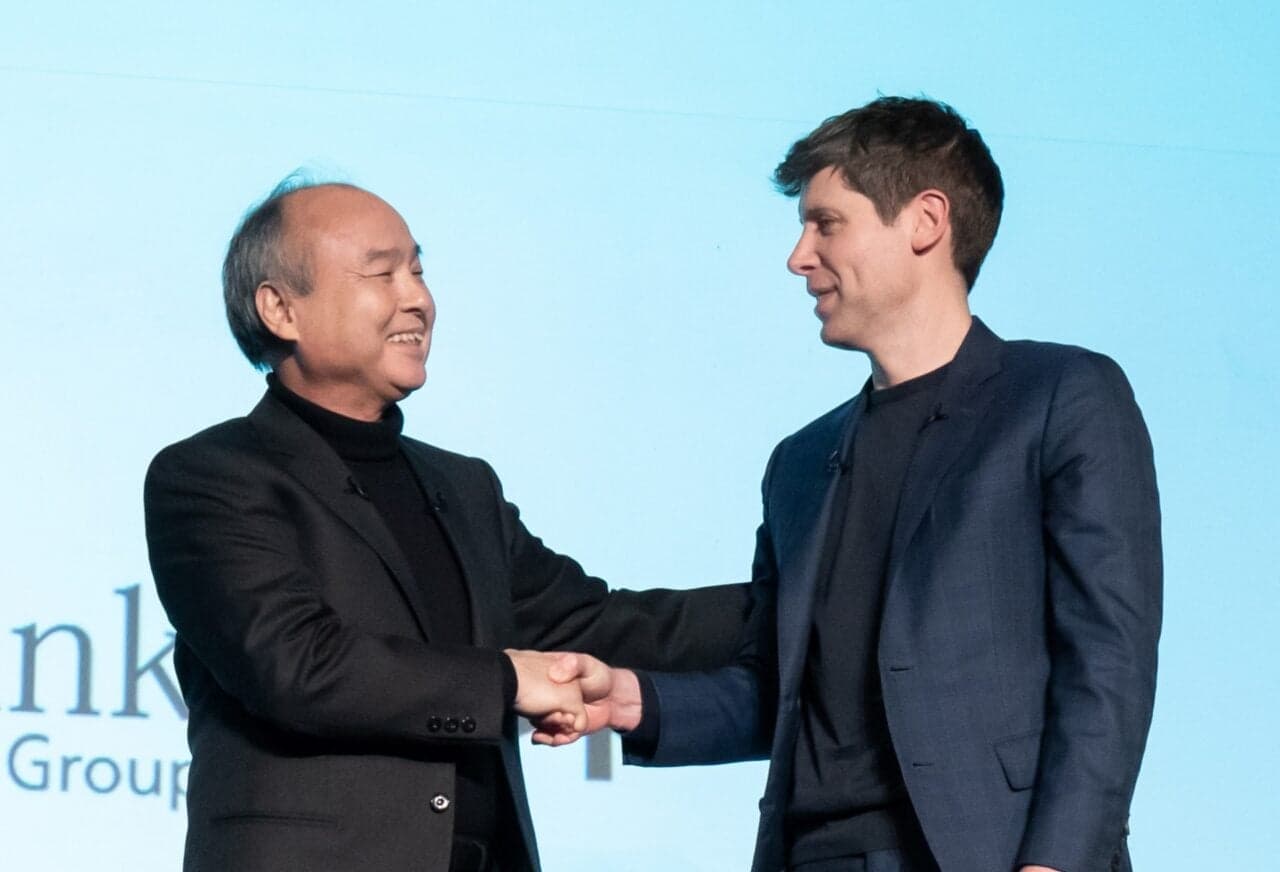
Masayoshi Son built his reputation on visionary bets. The SoftBank founder made early gambles on Alibaba and Arm Holdings that paid off handsomely. But a growing number of insiders now fear his judgment has slipped.
Reports describe mounting unease within the Tokyo-based conglomerate. Senior executives privately question whether Son is overpaying for startups and chasing deals that lack strategic logic. The concern follows a series of investments that have failed to deliver clear returns.
One area of focus is Son's repeated willingness to write large checks for companies with weak fundamentals. Critics call it a pattern of falling for what some insiders dismiss as 'wallet inspectors' — entrepreneurs who pitch ambitious visions without proven business models.
Why This Matters
SoftBank is one of the most influential technology investors in the world. Its Vision Fund has deployed billions across startups globally, shaping entire sectors like ride-hailing, robotics and artificial intelligence. If Son's dealmaking has lost its edge, the ripple effects will hit startups that depend on his capital. Limited partners in the Vision Fund also face potential losses. The broader market for late-stage funding could tighten if SoftBank pulls back or demands better terms.
The worry is not about a single bad investment. It is about a pattern. SoftBank wrote down billions on office-sharing startup WeWork after Son pushed for an aggressive valuation. More recently, investments in companies like Zume and Katerra soured. Each failure chips away at the aura of invincibility that once surrounded the CEO.
Culture of Loyalty Complicates Oversight
Son retains tight control over SoftBank. He chairs the board and personally approves many major deals. That structure leaves little room for dissent. Executives who voice concerns risk being sidelined. The result is a culture where warnings are muted until problems become public.
Some insiders have tried to push for more rigorous due diligence. They want independent analysis before Son commits capital. But the CEO's charisma and track record make it difficult for subordinates to push back. Son often relies on gut instinct, which fueled past successes but now amplifies risk.
The recent tensions surfaced after SoftBank's Vision Fund II struggled to raise money from outside investors. The fund's first iteration returned only modest gains after early wins. That forced SoftBank to contribute most of the capital itself, tying its own balance sheet to the high-risk bets.
Son's defenders argue that his long-term vision still holds value. They point to Arm's successful IPO as proof that his patience pays off. But the gap between Arm and the troubled startups underscores the inconsistency in his dealmaking.
SoftBank declined to comment on internal dynamics. The company's next earnings call is expected to draw intense scrutiny. Investors want to see whether Son will acknowledge the concerns or double down on his approach.