Editor: Porcia Akua Holmes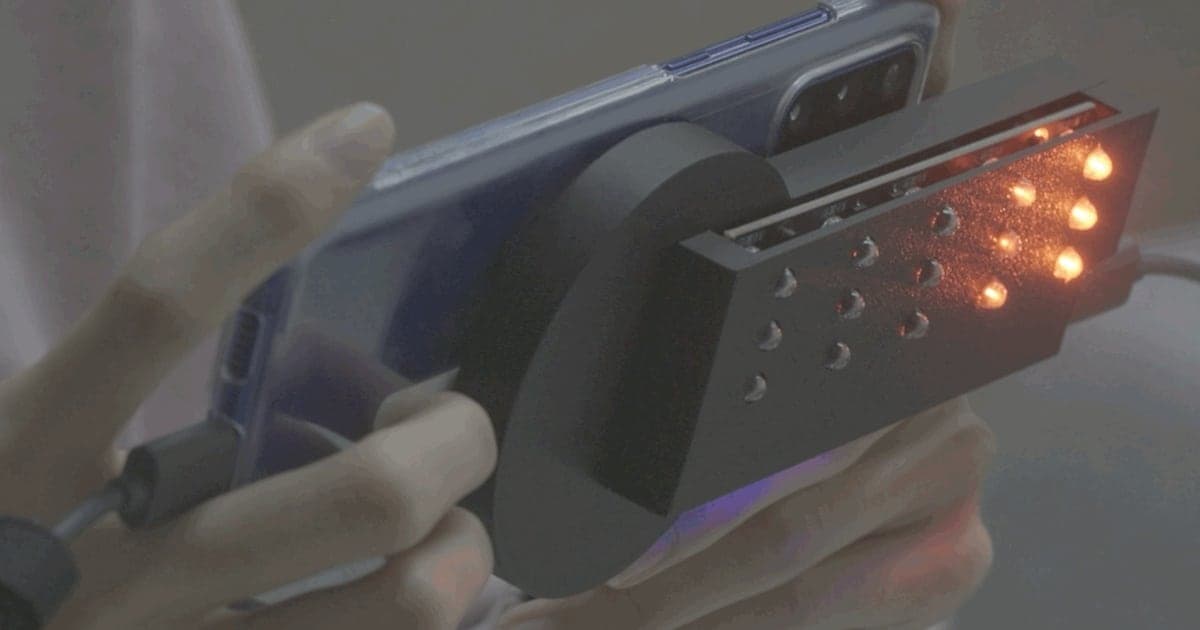
A new detection method combines a smartphone's LED flash with artificial intelligence to uncover hidden cameras, giving travelers and privacy-conscious users a practical defense against covert surveillance. The technique, called Smartphone LED detection, requires no specialized gear beyond a standard phone.
How the Detection Works
The system relies on the physical properties of camera lenses. When the smartphone's LED flash emits light, any camera lens in the room reflects that light back in a distinctive pattern. The AI model, trained on thousands of lens reflections, can distinguish these from other shiny objects.
Key steps in the process include:
Privacy Implications
The ability to detect hidden cameras without specialized equipment lowers the barrier for personal privacy audits. Hotel guests, Airbnb renters and office workers can now perform quick scans using a device they already carry.
This development aligns with a broader trend of consumer-grade security tools. Smartphone manufacturers have increasingly added privacy-focused features, such as microphone and camera indicators. The Smartphone LED detection method extends that capability into active surveillance detection.
Why This Matters
The practical impact is significant. Hidden camera incidents have risen in short-term rentals and public changing rooms. Current detection methods often require expensive gear or technical expertise. A smartphone-based solution democratizes access to counter-surveillance.
For travelers, the ability to scan a room in seconds provides peace of mind. For businesses, it offers a low-cost way to verify privacy in sensitive areas. The method, however, is not foolproof. It works best in dark rooms and may miss cameras behind opaque materials or those with non-reflective coatings.
Limitations and Considerations
While promising, the technology has constraints. The AI model requires training on diverse lens types to maintain accuracy. Bright ambient light can wash out reflections. Users must also physically scan the room, as a single flash may not catch all angles.
Future iterations could integrate the feature directly into smartphone camera apps, making detection as simple as taking a photo. Until then, early adopters can use standalone apps that leverage the smartphone LED and on-device AI.