Editor: Porcia Akua Holmes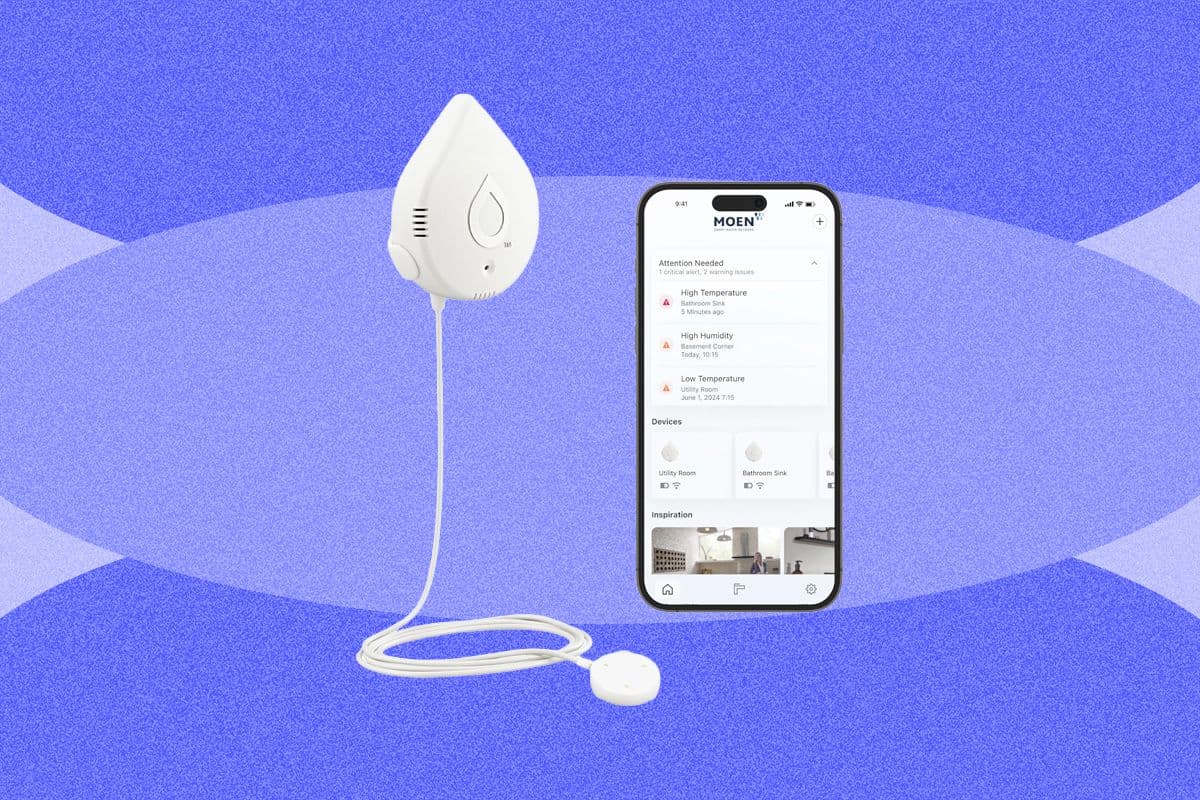
Water damage from burst pipes and overflowing appliances costs homeowners billions each year. A new generation of smart water leak detectors aims to change that by combining early detection with automatic shutoff capabilities. Moen and Phyn have emerged as key players in a market that is moving from niche gadgets to essential home protection tools.
Market Shift Toward Proactive Protection
For years, leak detection meant manual checks and hoping for the best. The rise of connected home devices has changed that calculus. Leak detectors now offer continuous monitoring with real-time alerts. The shift is fueled by insurance industry data showing water damage claims are among the most frequent and expensive. Homeowners, however, are seeking ways to reduce risk and potentially lower premiums. Companies like Moen and Phyn have responded with products that bridge the gap between simple alarms and whole-home protection systems.
How Moen and Phyn Compare
Both brands offer systems that monitor water usage patterns and detect abnormalities. The main difference lies in installation and feature focus.
Why This Matters
The expansion of smart leak detection from an afterthought to a standard home safety layer has tangible financial consequences. For homeowners, a single undetected leak can lead to thousands of dollars in repairs and weeks of disruption. Insurers are starting to offer premium discounts for homes equipped with automatic shutoff devices, which could accelerate adoption. On the other hand, renters and those with older plumbing face a steeper barrier to entry, as many systems require professional installation or access to the main water valve. The market's direction suggests that in the next few years, smart leak detectors could become as common as smoke alarms, fundamentally changing how homes manage water risk.
What to Consider Before Buying
Not every home needs a full automatic shutoff system. For many, a simple sensor that sends phone alerts may suffice. But those with finished basements, multiple bathrooms or aging pipes are better served by advanced systems from Moen or Phyn. Compatibility with existing smart home platforms such as Amazon Alexa, Google Home or Apple HomeKit is also a factor. As the technology evolves, battery life, sensor range and ease of installation remain key differentiators. The best choice ultimately depends on a home's layout, the homeowner's technical comfort level and the desired level of automation.