Editor: Porcia Akua Holmes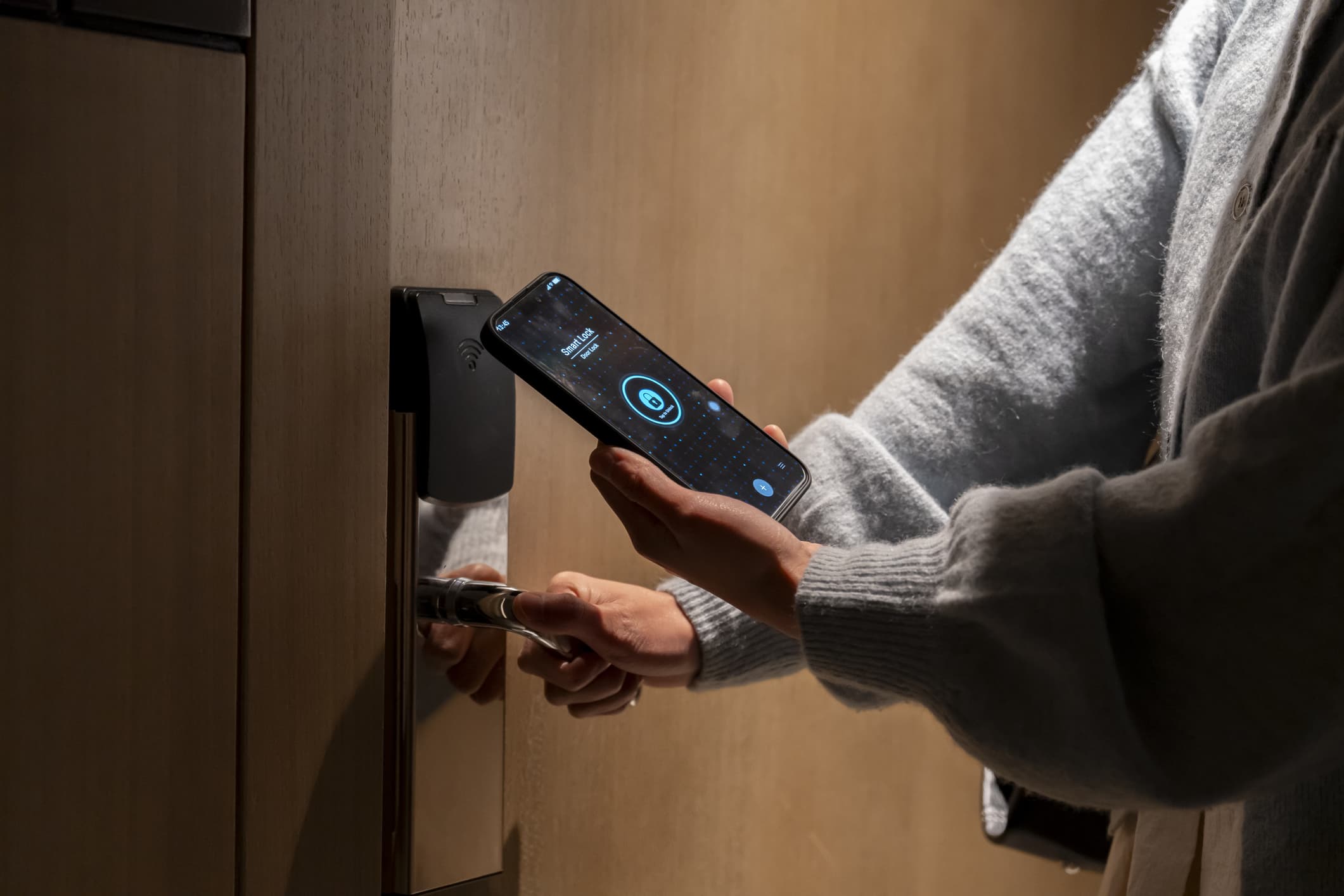
Home security is moving beyond deadbolts and keypads. Smart locks, once a niche gadget for early adopters, have become a standard recommendation for homeowners seeking both convenience and protection. The question "What Is a Smart Lock?" no longer draws blank stares as major retailers and security experts push for wider adoption.
The Shift Away From Physical Keys
Traditional locks rely on physical keys that can be lost, copied or stolen. Smart locks replace that vulnerability with digital credentials that can be managed remotely. Users grant temporary access to guests or service providers and receive instant notifications when a door is used. Security professionals increasingly echo the sentiment "Why I Recommend This Security Upgrade for Everyone" as smart locks reduce risks like lost keys and unauthorized duplication.
Security and Privacy Trade-Offs
While smart locks improve convenience, they also introduce new attack surfaces. Weak Wi-Fi networks, unpatched firmware or compromised apps can expose a home to intrusion. Manufacturers now include encrypted communication, multi-factor authentication and tamper alerts to mitigate these risks. Consumers should evaluate each product's security profile before purchase.
Market Trends Driving Adoption
Consumer demand for integrated smart home experiences has pushed major brands to offer affordable smart lock models. The average price has fallen below $150, and voice assistant compatibility is now standard. Insurance companies in some regions offer discounts for homes with smart locks, further incentivizing the upgrade. This broader ecosystem effect is accelerating the transition from curiosity to essential home equipment.
Why This Matters
The widespread adoption of smart locks changes how homeowners manage security and access. For real estate agents, property managers and landlords, these devices reduce the friction of key exchange and improve tenant safety. For consumers, the trade-off between digital convenience and privacy requires ongoing vigilance. As the technology matures, the line between traditional and smart security will continue to blur, making the choice to upgrade less about novelty and more about baseline safety.