 Editor: Porcia Akua Holmes
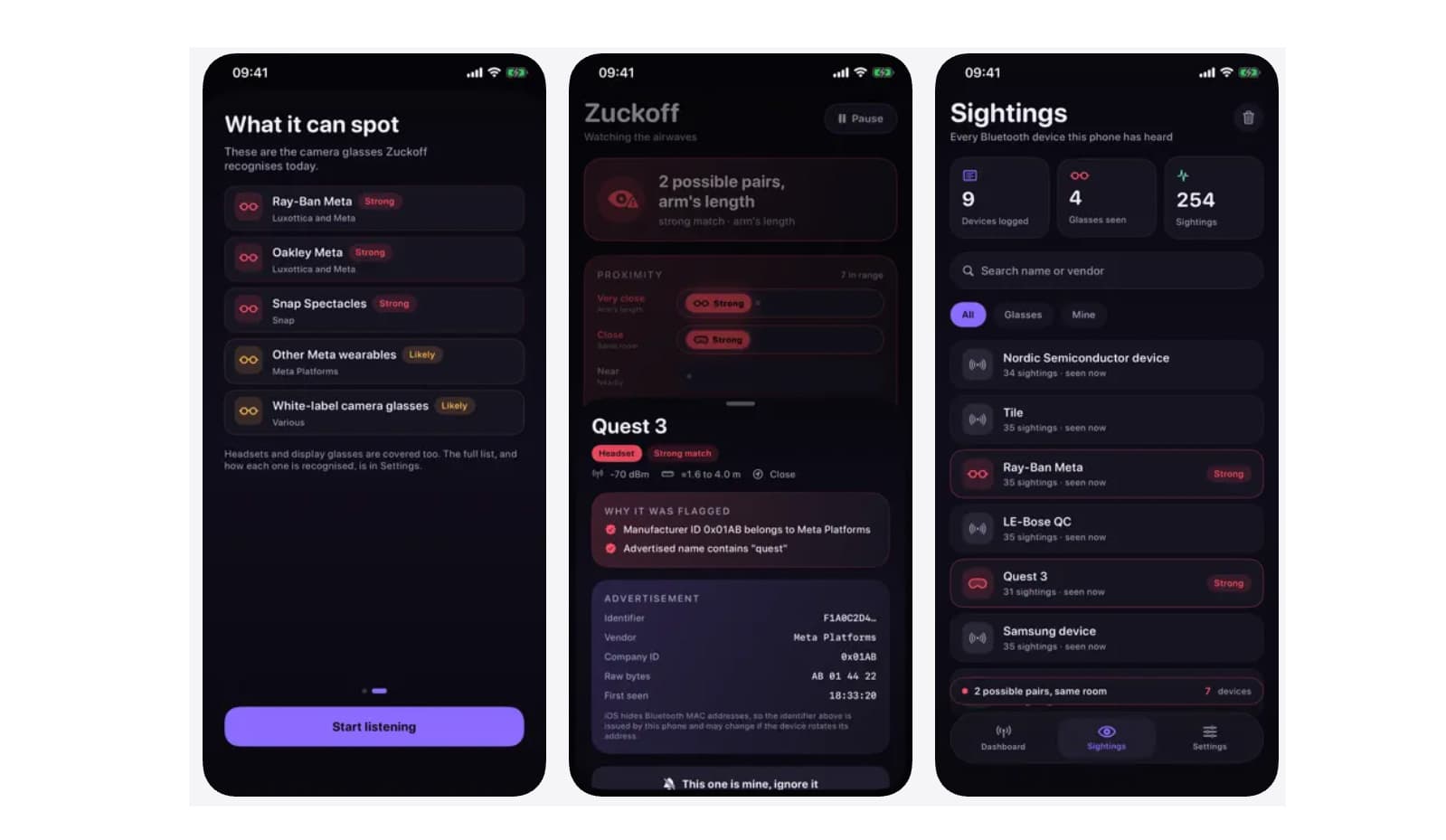
A smartphone can now flag the presence of smart glasses faster than a person can spot them. The feature, rolling out through a software update, uses wireless signals to identify nearby wearable cameras and alert the user.
How the Detection Tool Works
The system relies on the same wireless radios that phones already use for headphones, payments and location services. When a pair of smart glasses announces itself over Bluetooth or Wi-Fi, the phone recognizes the signal pattern and displays an alert.
Detection speed matters because a person usually cannot tell whether someone across a room is wearing a camera. The phone can process the signal in real time, often before the wearer comes into clear view.
Bluetooth
Primary signal used for detection
Wi-Fi
Secondary signal for identification
Why This Matters
Bystanders gain a new layer of awareness in public spaces. People concerned about being recorded without consent can check their phone for alerts before a conversation or encounter.
Device makers, however, face pressure to balance detection with usability. If alerts become too frequent or inaccurate, users may ignore them. That could undermine the feature’s purpose and push privacy advocates to demand stronger measures.
What You Need to Know About Smart Glasses Privacy
Smart glasses with cameras have raised concerns since early prototypes. Google Glass sparked backlash a decade ago, leading to bans in some venues. Meta’s Ray-Ban Stories and newer models have revived the debate.
The new detection feature gives phone owners a proactive way to identify wearable cameras. It does not prevent recording, but it shifts some control back to the person being observed.
Industry Context and Future Implications
Smart glasses represent a growing market. Meta, Snap and Amazon have released or announced camera-equipped frames. Apple is rumored to be developing its own. As these devices become more common, social norms around recording in public will face new pressure.
Detection tools like this could become standard on phones. They might also prompt venues to adopt their own policies. The long-term effect depends on how accurately the technology identifies devices and how users respond to alerts.
For now, the feature offers a small but significant step: giving individuals a way to know when they might be on camera, even if they cannot control what happens next.


