Senior Editor: Alan Agbele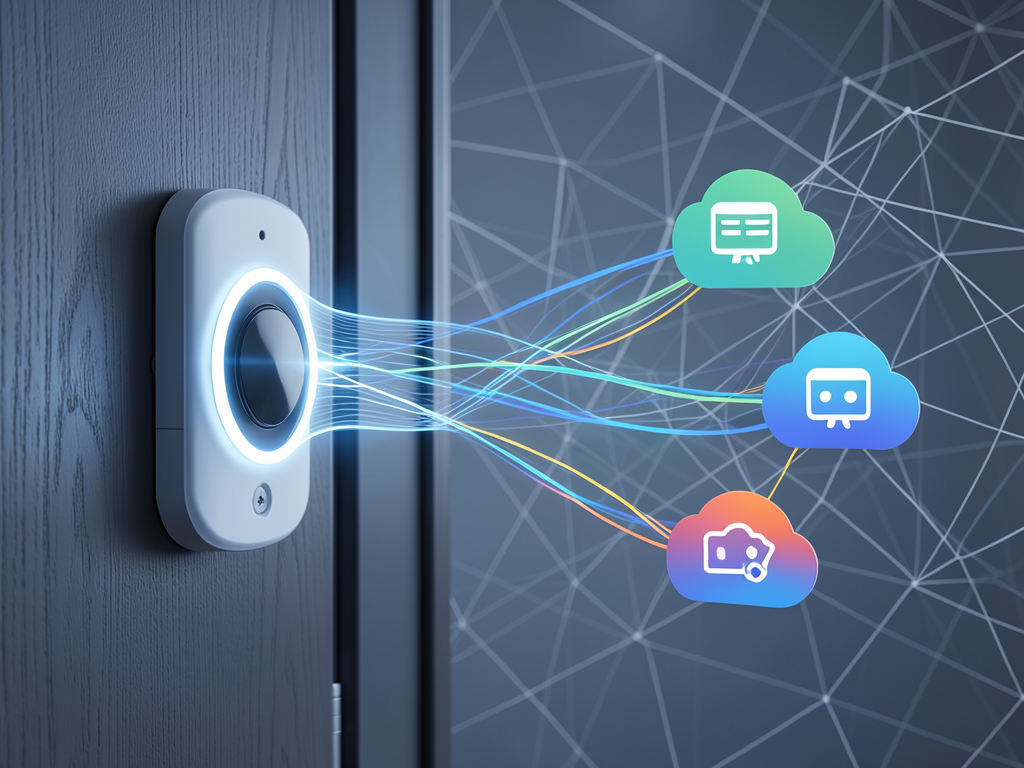
A single doorbell ring now demands coordination across multiple cloud platforms. Smart home devices, particularly video doorbells, increasingly depend on an average of five different cloud services just to deliver basic features such as motion alerts, two-way audio and live streaming. This growing complexity raises questions about reliability, privacy and long-term usability.
The Hidden Architecture Behind One Ding-Dong
When someone presses a smart video doorbell, the device does far more than capture video. It typically uploads footage to a cloud server, runs computer vision algorithms to detect people or packages, sends push notifications through another service, and stores clips for later review. Each step frequently uses a different provider's infrastructure. A typical chain might involve a camera sending video to AWS, a facial recognition model running on Google Cloud, and alert delivery via Apple Push Notification service or Firebase Cloud Messaging. The result is a system where no single company controls the full experience.
Privacy and Control Trade-Offs
Distributing data across multiple cloud providers complicates consent management. Users often grant permissions to each service individually without understanding how their video feeds travel or who else might access metadata. Some doorbells send footage to analytics partners for training machine learning models. These arrangements typically appear in lengthy terms of service documents that few owners read. Moreover, when a company discontinues support for an older device, the entire ecosystem can collapse because replacement cloud services may not be available.
Why This Matters
The smart doorbell industry now faces a reckoning. Consumers bought into the convenience of remote monitoring, but the underlying architecture creates systemic fragility. As more households adopt multi-cloud IoT devices, the risk of widespread outages grows. A single DNS failure at one provider could render millions of doorbells silent. Regulators in Europe and California are starting to scrutinize how device makers handle connected dependencies. The next generation of smart home products may need to adopt local processing or standardized cloud interfaces to reduce reliance on siloed ecosystems. For current owners, the practical implication is clear: verify your doorbell’s resilience by checking whether it can operate fully offline or during third party cloud outages.
Reducing Your Exposure
Buyers looking for a new video doorbell should ask manufacturers directly which cloud services the device depends on. Products that offer local storage options or support open protocols like Matter tend to minimize external cloud reliance. Owners of existing doorbells can disable unnecessary features that phone home to extra services. Simple steps, such as blocking non essential network traffic at the router level, may prevent unwanted data sharing.