Senior Editor: Alan Agbele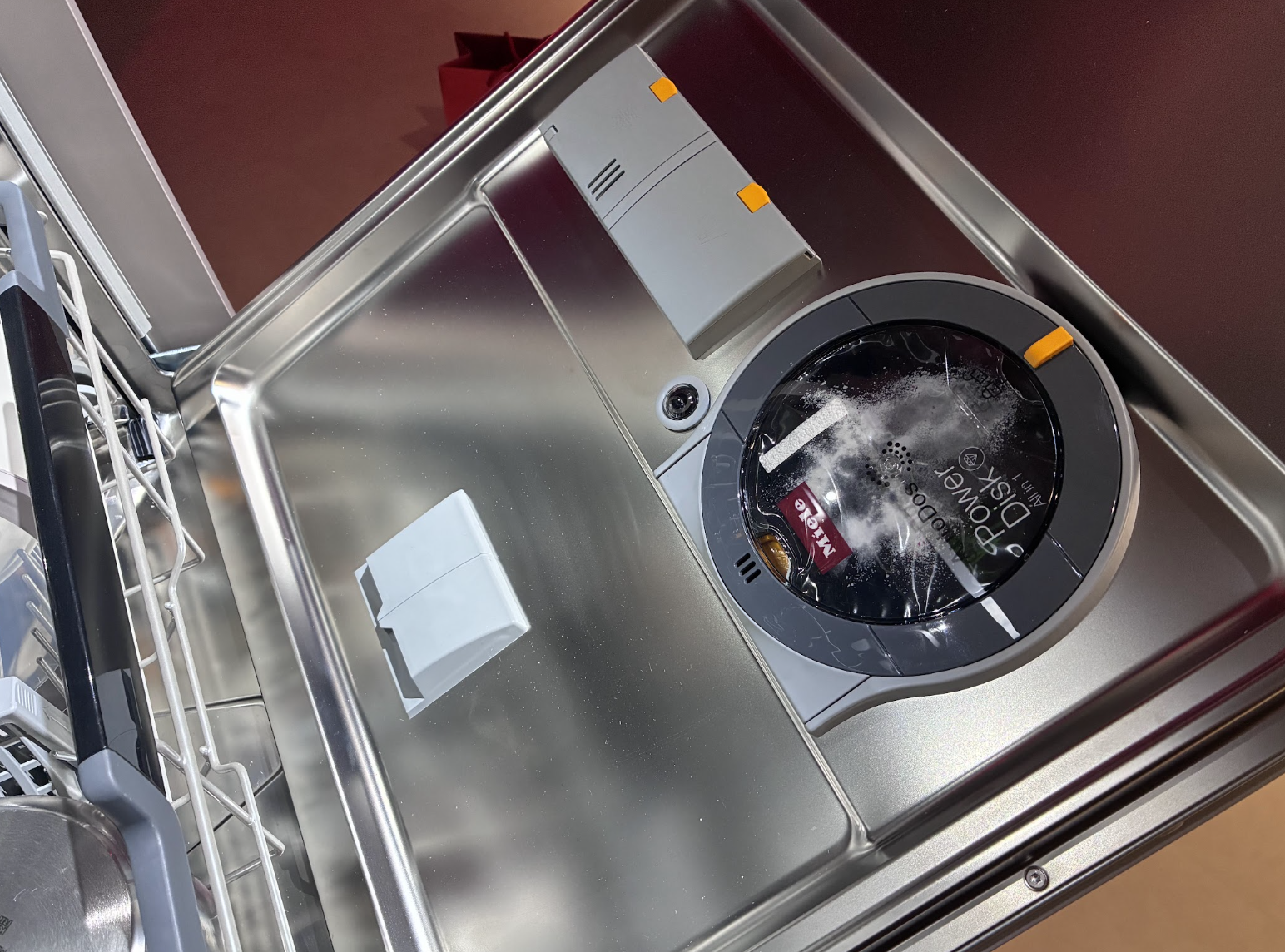
Putting cameras in dishwashers now, it makes more sense than you think. A growing number of appliance makers are embedding cameras inside dishwashers, allowing homeowners to check on their dishes from a smartphone app. The feature is not a gimmick. It addresses a real frustration: the inability to see if a load is clean, if a cycle has finished or if a dish has blocked the spray arm.
How the Camera Works
The camera sits inside the dishwasher tub, usually near the top rack. It is sealed against moisture and heat. The system captures an image at key moments: after the pre‑rinse, after the main wash and at the end of the cycle. The photos are transmitted to the user’s phone via the appliance’s existing Wi‑Fi connection. Some models also offer short video clips.
The hardware is relatively simple. The camera module uses a wide‑angle lens and infrared LEDs to work in the dark, enclosed space. Manufacturers have had to solve condensation and fogging issues, but the technology has matured enough for mass production.
Key Benefits
Privacy and Security Concerns
Adding a camera to an appliance that sits in the kitchen also introduces new risks. A compromised dishwasher camera could let an attacker peek into the home, though the field of view is limited to the tub interior. Manufacturers encrypt the image data, but users should ensure their Wi‑Fi network is secure and the dishwasher’s firmware stays updated. The bigger concern may be data collection: what companies do with the images beyond the local app. Most brands state they do not upload photos to the cloud unless the user opts in for troubleshooting or analytics.
Why This Matters
This move changes the relationship between homeowners and one of the most used kitchen appliances. For years, dishwashers have been largely opaque. The camera gives visibility that can reduce waste, prevent damage and save water. But it also normalizes in‑home surveillance in a place people never expected a camera. As smart home devices proliferate, consumers must decide which trade‑offs they accept. The dishwasher camera is a small but telling example of how everyday objects are becoming data‑gathering tools. The practical gains are real. The privacy implications, however, deserve equal attention.