Senior Editor: Alan Agbele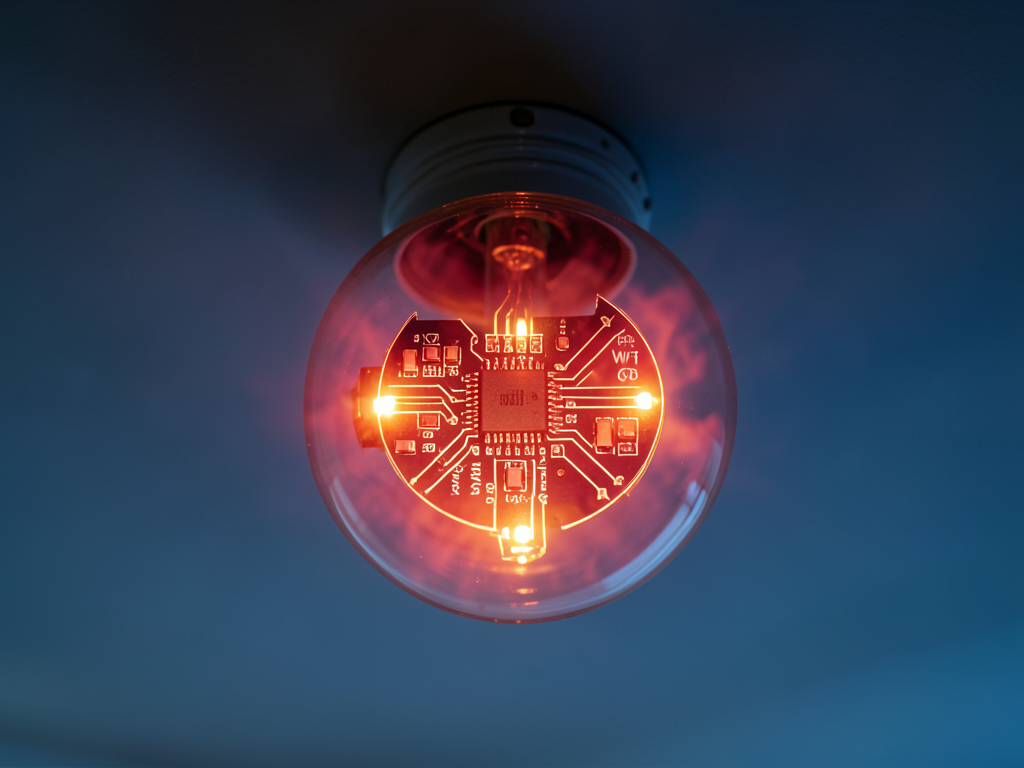
Smart bulbs promise years of service, but real-world owners often report a different story. A recurring question among smart home users is "How Long Do Owners Say Smart Bulbs Actually Last" and the answers reveal a gap between marketing claims and daily experience.
Real-World Lifespan Data
Owners on forums and review sites consistently report that smart bulbs begin flickering, losing connectivity or dying completely after 12 to 24 months. Brands like Philips Hue tend to last longer, but budget models often fail within a year. The core issue is that smart bulbs pack Wi-Fi, Bluetooth or Zigbee radios into a small space, generating heat that degrades the electronics.
Typical reports from users include:
Key Factors Affecting Longevity
Heat is the biggest enemy of smart bulbs. Unlike traditional LEDs, smart bulbs have circuit boards and radios that generate extra heat. When installed in enclosed fixtures or recessed cans, this heat has no escape route. Voltage surges and poor Wi-Fi signal strength also contribute to early failure.
Another factor is the quality of the power supply. Cheap bulbs use low-grade capacitors that dry out quickly, especially in warm climates. Users in hotter regions report shorter lifespans regardless of brand.
Why This Matters
Replacing smart bulbs every few years adds to the total cost of a smart home system. A bulb that costs $15 to $30 and dies in two years is far more expensive per year than a traditional LED that lasts a decade. This hidden cost affects consumer budgets and contributes to electronic waste. For the smart home industry, reliability is a key barrier to broader adoption. If users cannot trust that their bulbs will last, they may hesitate to invest in more connected lighting.
Manufacturers are aware of the problem. Some have started adding better heat sinks, higher-quality capacitors and improved firmware to extend lifespan. But owners should still set realistic expectations and avoid placing smart bulbs in enclosed fixtures whenever possible.