Senior Editor: Alan Agbele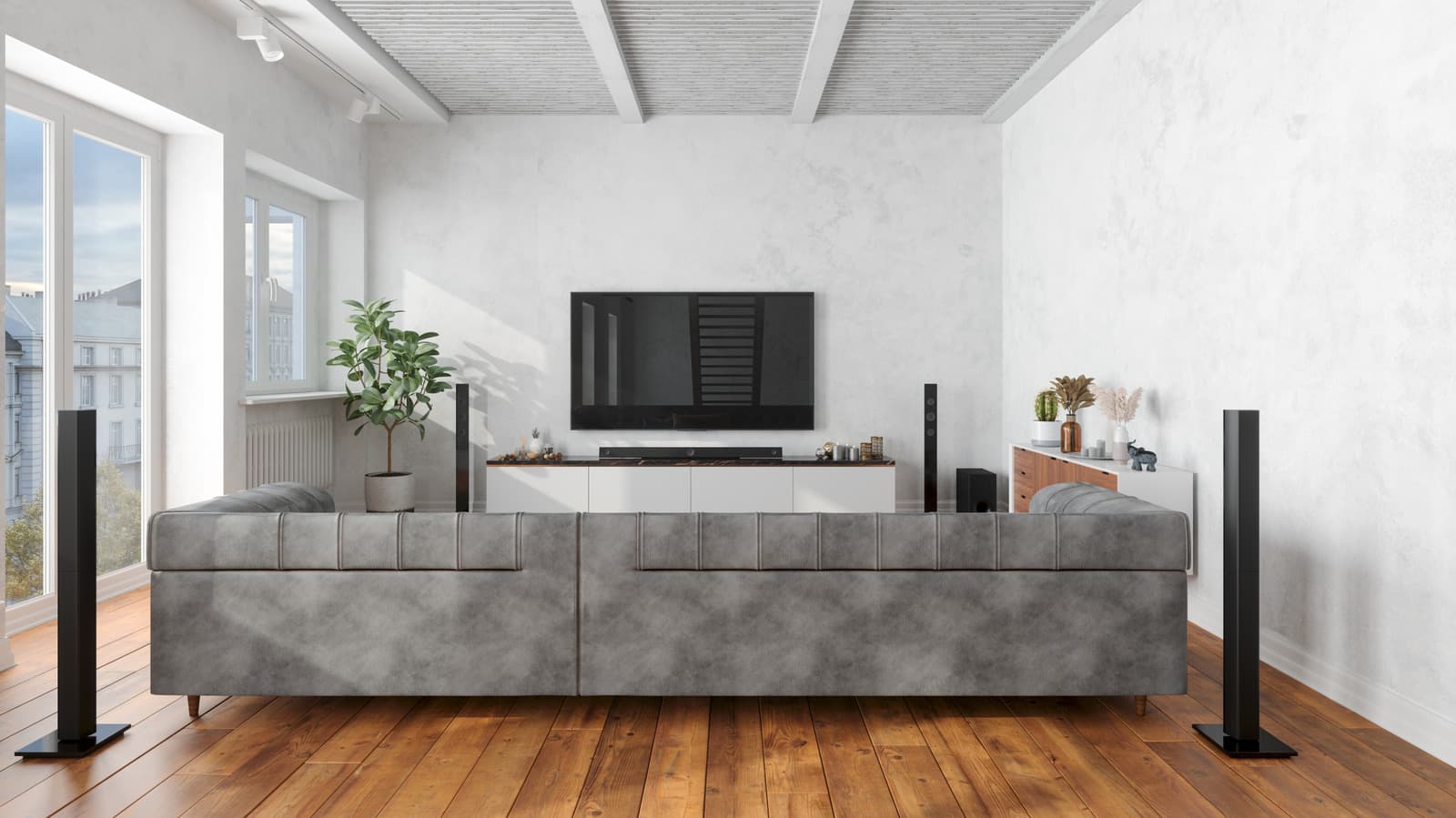
Home theater owners are learning that expensive speaker upgrades are not the only path to better audio. A handful of low-cost tweaks to speaker positioning, room treatment and audio calibration can deliver dramatic improvements in surround sound quality, often rivaling the impact of buying new equipment.
The Hidden Power of Positioning
The most overlooked factor in home theater sound is speaker placement. Many users place speakers wherever furniture allows, but even a few inches of adjustment changes how sound waves interact with the room. The ideal setup places the front left and right speakers at ear level, angled toward the listening position at roughly 30 degrees from the center. The center channel should sit directly above or below the display, aimed at ear height.
Surround speakers should sit a few inches above ear level and be angled to bounce sound off the back wall. This creates a more enveloping effect without harsh localized sounds. Subwoofer placement is equally critical: corners boost bass but can create muddy or boomy notes. Moving the sub even a foot can clean up low frequencies.
Room Acoustics Matter More Than You Think
Hard surfaces like bare floors, glass windows and empty walls reflect sound waves, muddying clarity and blurring the stereo image. Basic acoustic treatment does not need to be expensive. Thick rugs, heavy curtains and upholstered furniture absorb excess reflections. Bookshelves filled with objects break up sound waves and act as natural diffusers. These small investments in room treatment often yield a bigger return than upgrading amplifier power.
For those with a receiver or processor, running the automated room correction software is a free upgrade. Most modern systems include microphones that measure reflections and adjust speaker levels, distances and frequencies. Skipping this step leaves performance on the table. Many models, from Denon to Sony, include this feature but require the user to navigate menus to activate it.
Why This Matters
As inflation pushes the cost of electronics higher, consumers are looking for ways to improve their existing systems rather than replace them. The home audio market has seen a slowdown in premium speaker sales, with more buyers opting for soundbars or midrange packages. By highlighting these low-cost tweaks, manufacturers and installers can help users extract far more value from gear they already own. For renters or homeowners reluctant to wire new speakers, these adjustments offer a practical path to noticeably better sound without drilling holes or spending thousands. The shift toward software-based calibration and user-adjustable settings also means that even entry-level receivers now pack tools that were once reserved for high-end gear. These tools are only effective if used, which creates a knowledge gap that this guide aims to close.