Editor: Porcia Akua Holmes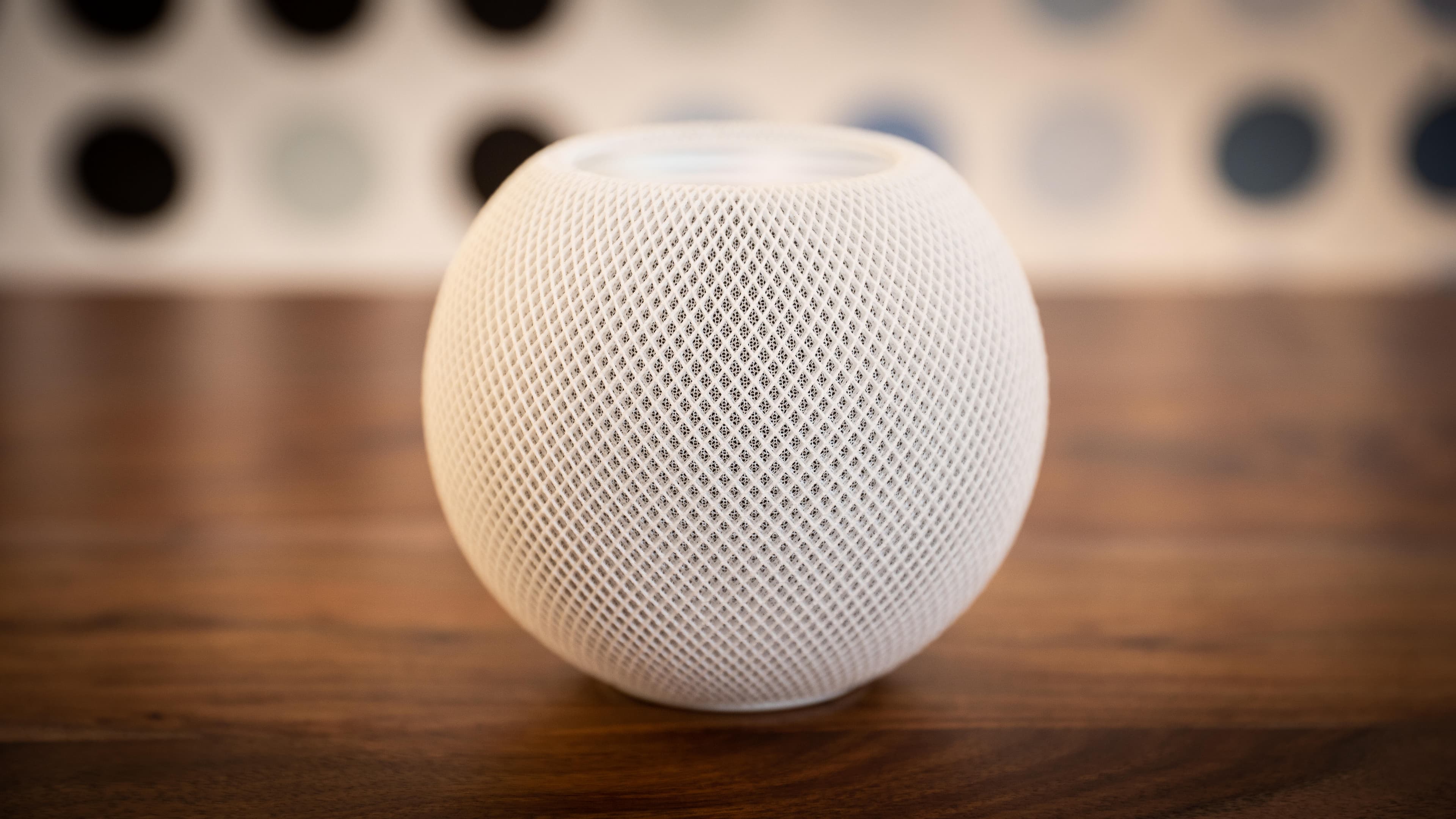
Smart home users searching for the best Apple Siri voice commands for their home are encountering a rapidly changing assistant. A complete guide to Siri's home features now must account for recent updates that turn the voice assistant into an automated hub rather than a simple command taker.
From Voice Triggers To Proactive Routines
Recent iOS and HomePod updates have expanded Siri's role beyond basic on-off commands. The assistant can now initiate actions based on time of day, location or sensor readings. For instance, a user can say “Siri, goodnight” and have the assistant lock doors, dim lights and set the thermostat automatically.
Competitive Landscape And Privacy Edge
Amazon Alexa and Google Assistant have long offered proactive automations. Apple's approach, however, emphasizes on-device processing and encrypted data. The company does not use voice recordings for advertising, a differentiator that appeals to privacy-conscious users. This means Siri may be slower to adopt new third-party integrations, but the trade-off is a more secure ecosystem.
How Users Should Adapt Their Voice Command Strategy
Anyone relying on a complete guide to the best Apple Siri voice commands for their home should now think beyond individual commands. The assistant works best when users build routines rather than memorizing phrases. Apple provides a dedicated Shortcuts app for custom scripts, and recent updates allow sharing these automations with family members.
Users with multiple HomePods can set default rooms for each command. Siri also now recognizes different voices, so each household member can trigger personalized scenes. Regular voice training helps improve accuracy in noisy environments.
Why This Matters
The shift from reactive voice commands to proactive home automation changes how consumers choose smart home platforms. Apple's approach may appeal to users who want a closed, private system but are willing to trade some flexibility. For developers, Siri's expanding capabilities create new opportunities for third-party app integration, especially around HomeKit accessories. As the smart home market matures, voice assistant strategy will directly affect device sales and ecosystem lock-in. Users who invest time in building Siri Shortcuts now will see a more seamless experience, while those sticking to basic commands may fall behind as automation becomes the norm.