Editor: Porcia Akua Holmes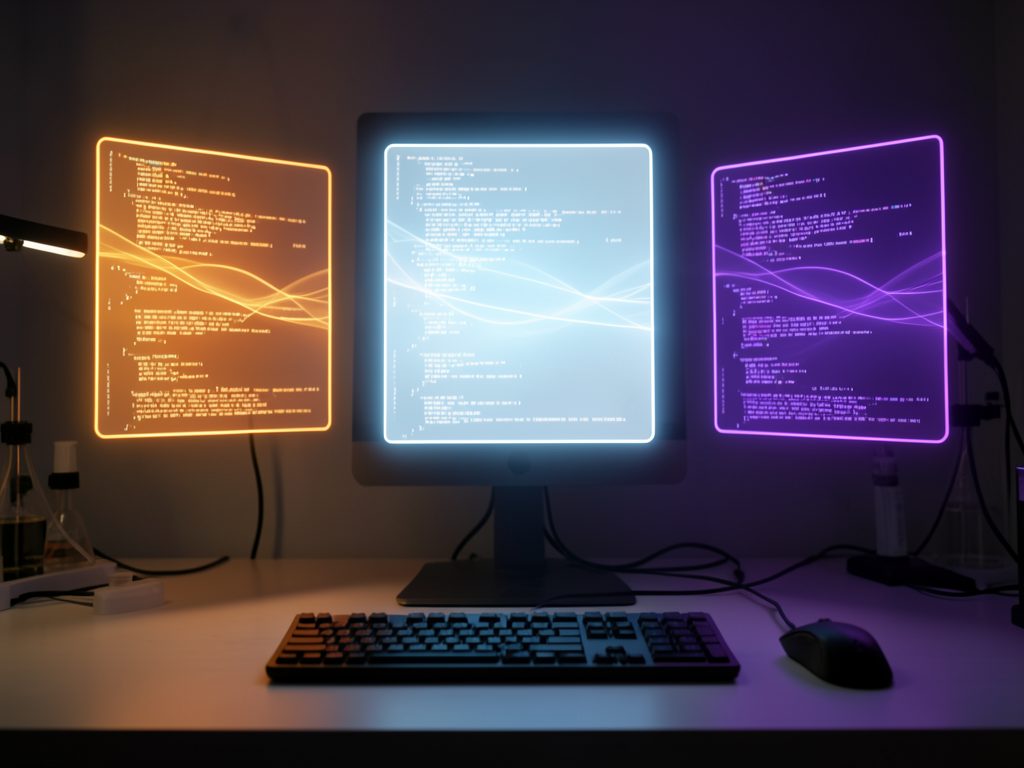
A developer recently put three of the most advanced AI models through a rigorous test: asking each one to build the same set of applications from scratch. The results offer a rare side-by-side comparison of how Grok, Claude and GPT-5.5 handle real-world software development tasks.
How the Test Worked
The developer chose a small set of common application templates such as a to-do list manager, a weather dashboard and a simple e-commerce page. Each model received the exact same prompt with the same requirements, design constraints and expected output format. The goal was to measure code correctness, efficiency and adherence to instructions without tweaking prompts between runs.
This methodology eliminates many variables that can skew comparisons such as prompt engineering differences or iterative feedback. By feeding identical inputs, the test isolates each model's baseline ability to generate functional code from a single-shot request.
Key Findings From the Comparison
The differences became especially pronounced in apps that demanded real-time updates or API integrations. For example, the weather dashboard task required fetching live data. Claude handled the async workflow cleanly while Grok's version had a minor race condition. GPT-5.5's approach used a polling mechanism that worked but consumed extra resources.
Why This Matters
Developers and businesses increasingly rely on AI to accelerate software development. But choosing the right model affects project timelines, code maintainability and long-term costs. The test shows that no single model currently dominates all categories. Grok may favor speed, Claude prioritizes clarity and GPT-5.5 aims for balance. Teams that understand these trade-offs can assign tasks to the most suitable assistant, reducing debugging time and improving output quality.
The broader implication is that the AI coding market is fragmenting by specialization. Instead of one universal assistant, we may see models optimized for specific programming languages or application types. This competition drives rapid improvement but also forces developers to stay informed about each model's latest capabilities.
What Developers Should Watch Next
The test results are a snapshot of current performance. Each company regularly updates its model, so the rankings could shift within weeks. Developers should replicate such comparisons with their own workloads before committing to a single tool. The ability to quickly swap between models and compare outputs will become a valuable workflow practice as AI coding assistants mature.
For now, the head-to-head trial confirms that Grok, Claude and GPT-5.5 each bring distinct strengths to the table. The choice depends on what a team values most: speed, clarity or balanced functionality. The next round of updates may narrow those differences, but the era of one-size-fits-all AI coding is already over.