Editor: Porcia Akua Holmes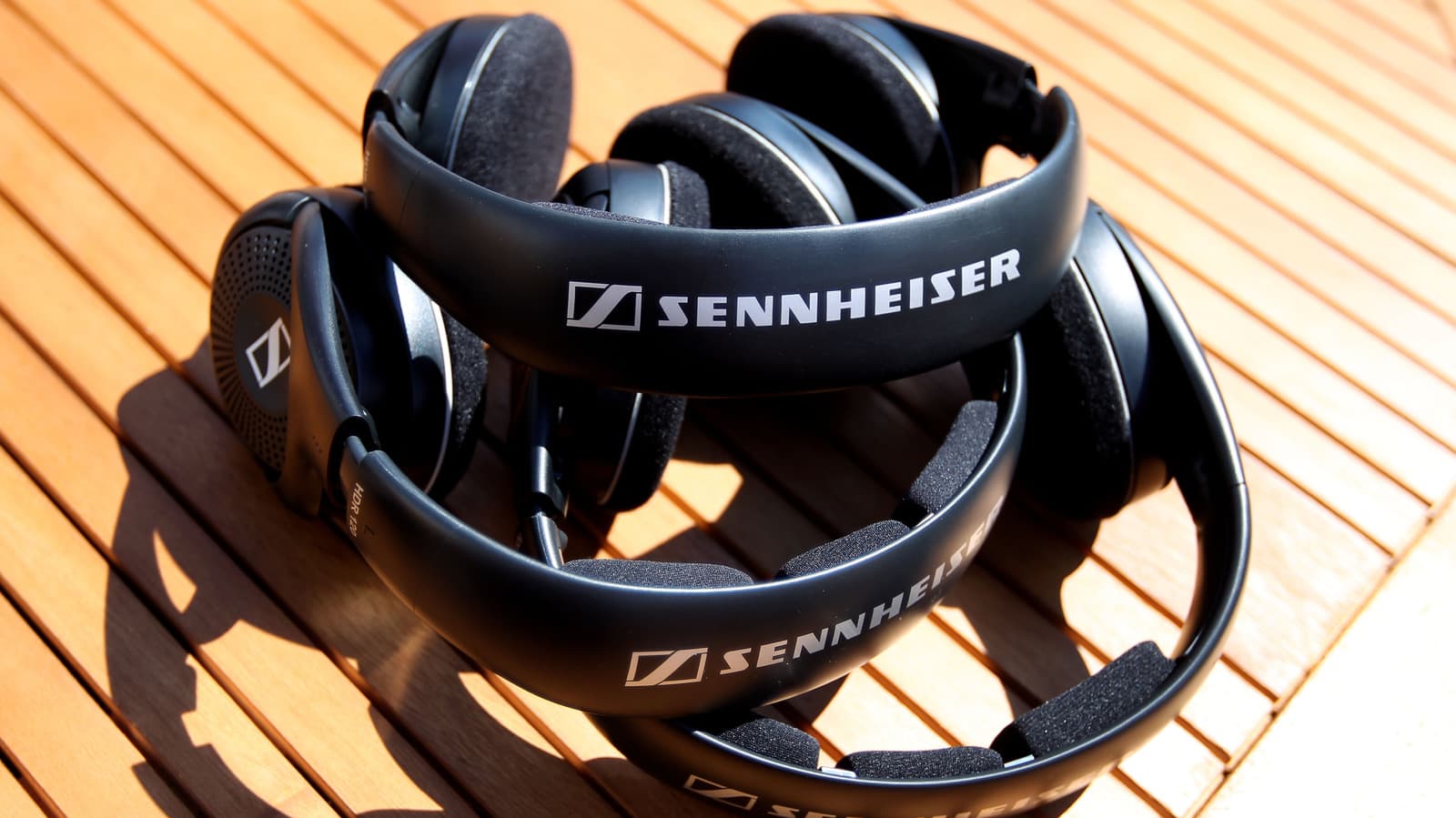
Serious gamers increasingly bypass headsets covered in RGB lighting and gaming-brand logos. Instead, many turn to Sennheiser, the German audio company long known for studio-grade microphones and high-fidelity headphones. The preference marks a quiet shift in the gaming peripheral market, where sound accuracy now competes with visual flair.
From Studio to Spawn Point
Sennheiser built its reputation in professional audio. Its HD 500 series and IE earphones became benchmarks for accuracy. Gamers who grew up with those products often carry the same expectations into multiplayer titles. The company's consumer lineup, including the HD 560S and HD 600, provides a flat frequency response that reveals positional audio detail many gaming headsets mask.
This engineering-first approach stands in contrast to competitors such as Razer, HyperX and SteelSeries. Those brands emphasize surround sound software, detachable microphones and customizable lighting. Sennheiser, however, relies on hardware design and driver quality. The result is a listening experience that some players describe as more honest and less fatiguing during long sessions.
A Divided Market
The gaming headset market splits roughly into two camps. One prioritizes features and brand identity. The other demands audio fidelity above all. Sennheiser occupies the second camp, alongside companies like Beyerdynamic and Audio-Technica. The audience for this segment is smaller but fiercely loyal.
The distinction matters for competitive play. In games like "Valorant" or "Counter-Strike 2," hearing a faint footstep can determine the outcome of a round. Neutral headphones reproduce those cues without artificial boosting, giving players a clearer sense of distance and direction.
Why This Matters
Sennheiser's growing presence in gaming challenges the assumption that gamers want flashy accessories. It signals a maturation of the gaming demographic, where experienced players treat audio as a technical advantage rather than a cosmetic upgrade. Peripheral makers now face pressure to improve driver quality and frequency response, not just add LEDs. For consumers, the shift means more choices between style and substance. Sennheiser's approach also raises the bar for audio performance across the industry, potentially forcing larger gaming brands to invest in acoustic engineering or risk losing the high-end segment.
The Sennheiser Advantage
Sennheiser's gaming lineup includes dedicated models such as the GSP 600 and the PC38X, designed in collaboration with Drop. These headsets retain Sennheiser's signature sound while adding noise-cancelling microphones and durable construction. The company also produces the IE 600 in-ear monitors, which some esports professionals use for tournament play.
The brand's long experience in professional audio lends credibility. Sennheiser microphones are standard in recording studios. Its transducers appear in hearing aids and high-end home audio. That engineering pedigree carries weight with gamers who research gear the same way they study game mechanics.