Senior Editor: Alan Agbele
Home servers die all the time. Hardware fails. Configuration drifts. Software rots. Yet the self-hosting community keeps rebuilding, turning failure into a cycle of revival. This pattern reveals both the fragility and resilience of running your own infrastructure.
The Self-Hosting Lifecycle
Every home server project follows a familiar arc. Excitement drives the initial build. The owner configures services, sets up backups and enjoys full control. Then life gets busy. Updates are postponed. Security patches accumulate. Eventually a critical failure forces a rebuild.
This cycle is so common that it has become a running joke in self-hosting forums. The death of a server is not the end but a catalyst for a better setup. Each iteration teaches lessons about redundancy, automation and simplicity.
Common Failure Points
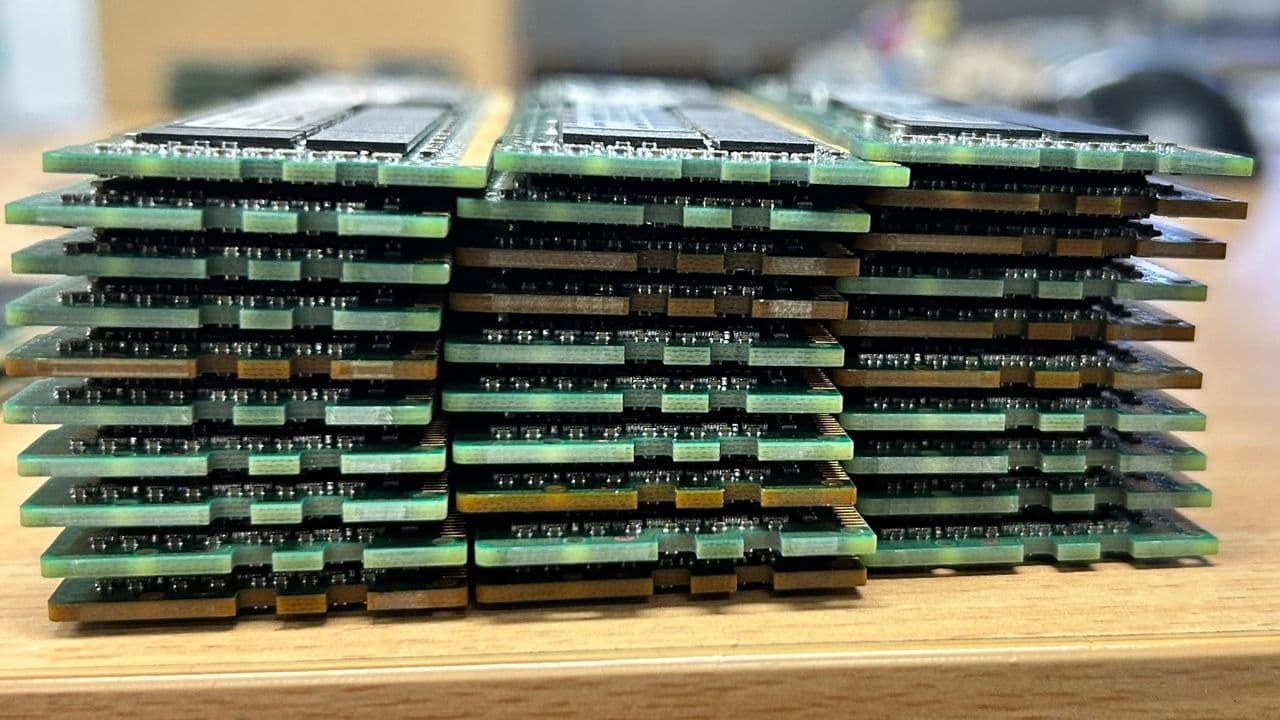
Most home server failures fall into a few categories. The hardware itself often gives out first.
Modern Revival Tools
The self-hosting community has responded with better tools. Containerization platforms like Docker isolate services and make upgrades predictable. Infrastructure-as-code tools such as Ansible let owners define the entire server state in a single file.
These approaches reduce the burden of manual configuration. If a server dies, a rebuild becomes a matter of running a few commands instead of weeks of tweaking. Automated backups and monitoring further decrease the chance of data loss.
Why This Matters
The self-hosting movement represents a push for digital autonomy. When individuals run their own servers they gain privacy and control over personal data. This trend challenges the centralized model of cloud services.
The cycle of death and rebirth, however, threatens to discourage newcomers. Without reliable patterns, many give up and return to third-party platforms. The rise of modern automation tools directly addresses this barrier. As these tools mature, self-hosting becomes more accessible to a broader audience.
Every failed server carries a lesson. The community's willingness to rebuild and share those lessons is what keeps the home server dream alive.