Senior Editor: Alan Agbele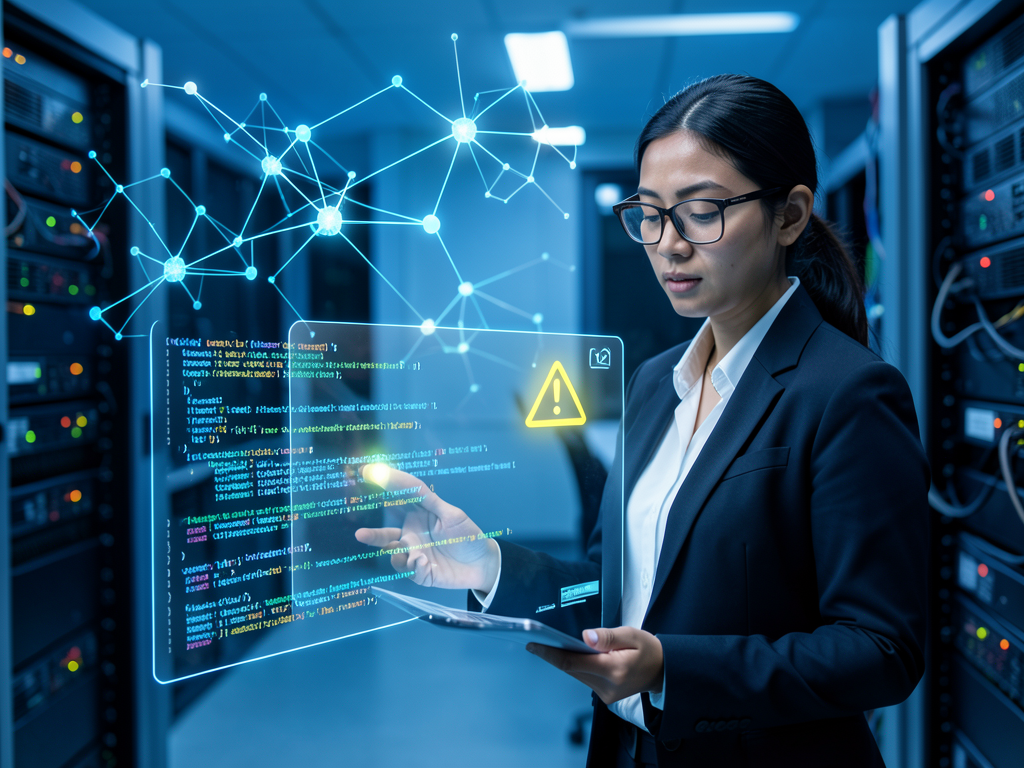
Security auditing, long a labor-intensive discipline of manual checks and risk assessments, is being reshaped by artificial intelligence systems that now analyze code, configurations and network behavior at machine speed. The shift brings both efficiency gains and new vulnerabilities that security teams cannot ignore.
The Promise of AI in Auditing
Modern AI models can scan thousands of lines of code, network logs or cloud configurations in minutes, flagging anomalies that might indicate a breach or misconfiguration. This scale allows security auditors to cover more ground than ever before, especially in environments with sprawling cloud infrastructure and microservices.
Risks and Limitations
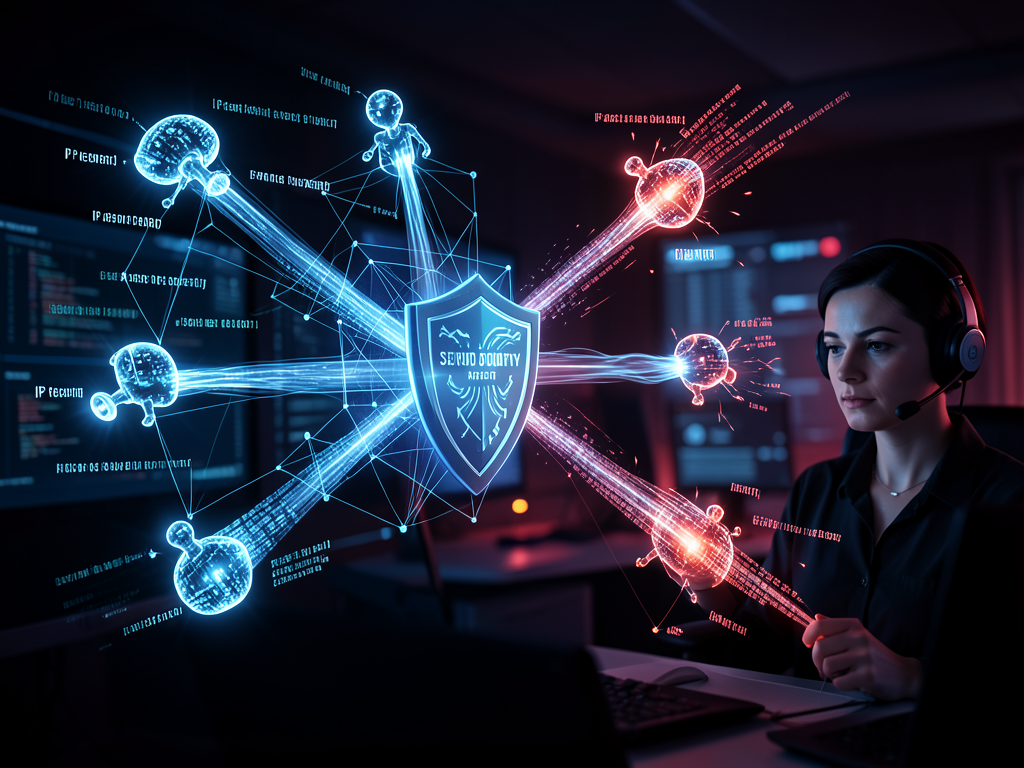
The same capabilities that make AI compelling also create new attack surfaces. Adversaries can craft inputs that evade detection or poison training data. Many models operate as black boxes, making it difficult for security professionals to understand why a particular alert was raised.
False positives remain a serious problem. Overly sensitive AI agents can flood security operations centers with noise, desensitizing analysts to real threats. Conversely, models trained on incomplete or biased datasets may miss critical vulnerabilities entirely.
The reliance on historical data means AI auditing tools are inherently reactive. They excel at recognizing known patterns but struggle with novel attack strategies that have no precedent in their training sets.
Why This Matters
For organizations, the adoption of AI in security auditing creates a direct trade-off between operational efficiency and systemic risk. A single missed detection from an automated tool can lead to a data breach costing millions, while an overabundance of false alerts can paralyze security teams. Regulators are beginning to scrutinize automated audit systems, demanding transparency in how decisions are made and requiring human oversight for critical findings. The next few years will determine whether AI becomes a trusted audit partner or a liability that deepens the very vulnerabilities it aims to close.
What Security Teams Can Do Now
Experts recommend a cautious hybrid approach. AI tools should augment rather than replace human judgment, especially for high-stakes environments such as financial systems and healthcare infrastructure. Regular testing of model accuracy, adversarial robustness and bias should become part of the audit workflow itself. Organizations must also invest in training security staff to interpret AI outputs critically, ensuring the technology serves the auditor rather than the other way around.