Editor: Porcia Akua Holmes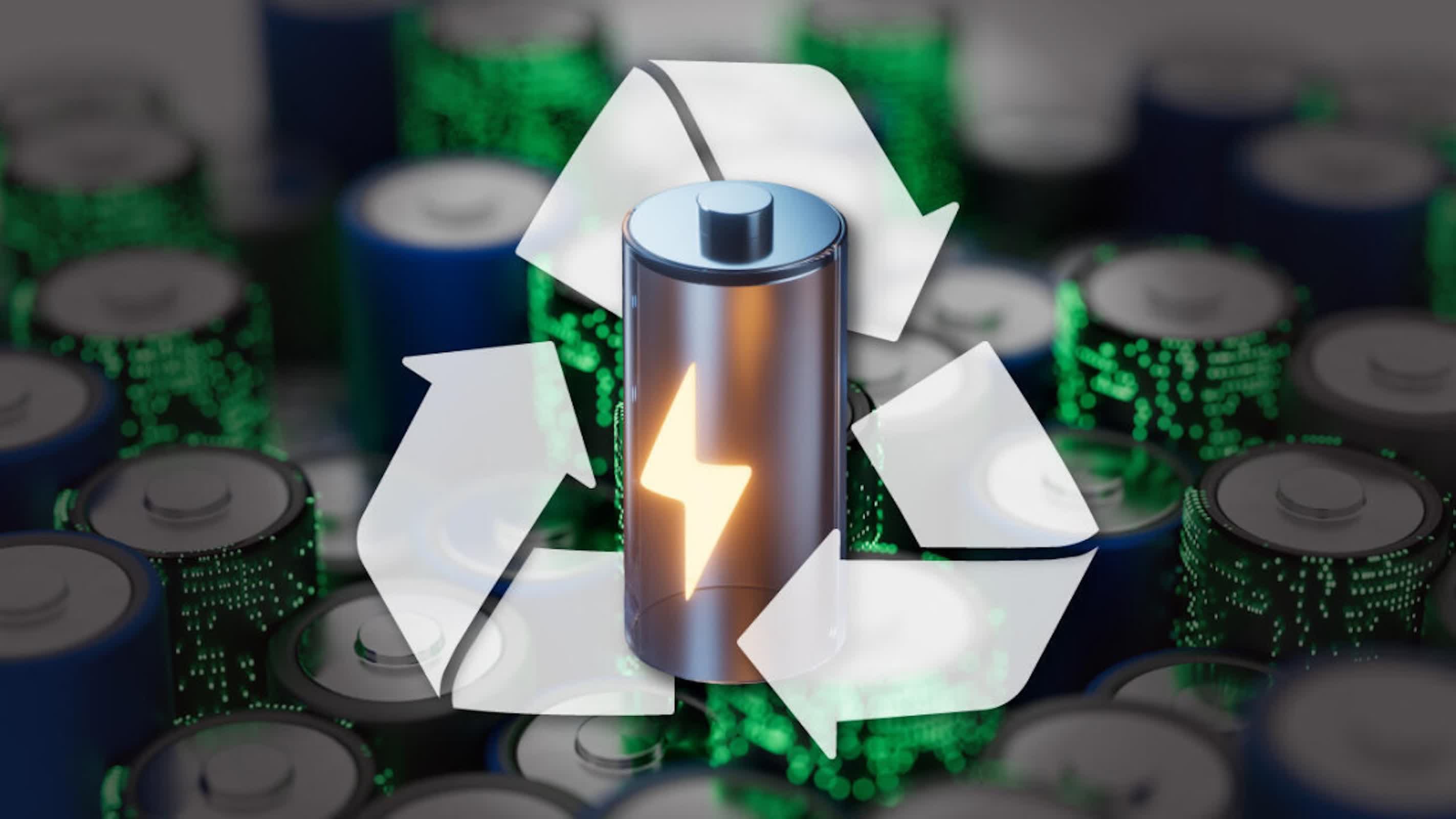
A team of scientists has discovered a chemical treatment that can restore the performance of aging lithium-ion batteries without disassembling them. The method targets a common failure point in electric vehicle batteries: the gradual buildup of a layer called the solid electrolyte interphase on the electrodes. Instead of breaking the battery down into raw materials for recycling, the new approach could extend its usable life, reducing waste and lowering ownership costs.
The Root Cause of Battery Aging
The solid electrolyte interphase forms naturally during the first charge of a lithium-ion battery and continues to grow over time. It is a byproduct of chemical reactions between the electrolyte and the electrode materials. In small amounts, the SEI protects the anode and helps the battery operate stably. But as cycles accumulate, the layer thickens, trapping lithium ions and increasing internal resistance. This process is one of the primary reasons EV batteries lose range and performance after several years of use.
A Chemical Fix Instead of Disassembly
Rather than physically opening the battery to replace components or recycle the materials, the scientists devised a chemical treatment that selectively dissolves the excess SEI layer. The process works by introducing a specific reagent that reacts with the buildup without damaging the underlying electrode structure or the separator. Once the excess SEI is removed, the battery regains much of its original capacity and can be recharged and discharged normally. The method is designed to work on existing battery packs without requiring disassembly, making it practical for real-world applications.
Why This Matters
The implications of this research extend far beyond the laboratory. For EV owners, the ability to restore battery capacity without replacement could cut the single largest expense of electric vehicle ownership. Currently, replacing a degraded EV battery can cost thousands of dollars. For automakers and fleet operators, this technique could extend vehicle life and reduce warranty claims. On a larger scale, reducing the frequency of battery recycling lowers energy consumption and hazardous waste. If the method proves scalable, it could delay the need for new raw material mining and ease the pressure on battery supply chains.
What This Means for EV Owners
Commercial availability of this treatment is likely years away, but the proof of concept marks a significant step. Consumers may eventually have the option to bring aging batteries to service centers for chemical rejuvenation instead of replacement. The approach also opens the door to repurposing retired EV batteries for stationary energy storage, where capacity loss is less critical. For now, the research highlights a path toward more sustainable battery life cycles.