 Senior Editor: Alan Agbele
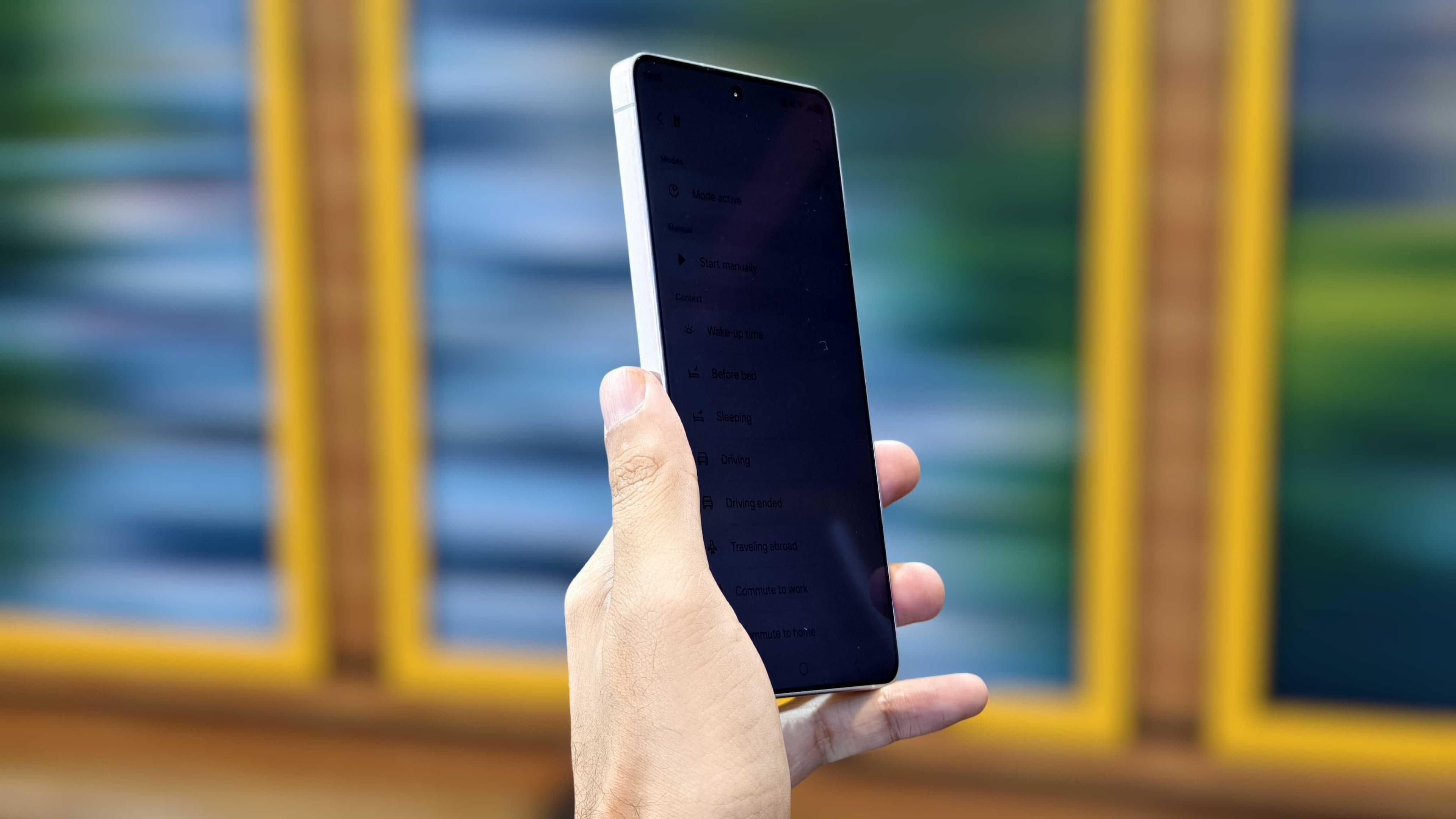
Samsung is signaling that its Privacy Display, a screen technology that narrows the viewing angle so nearby strangers cannot read a phone, may not stay exclusive to one flagship. The company is reportedly weighing a broader rollout across more Galaxy devices.
From Flagship Exclusive to Galaxy Standard
Samsung has a long pattern of debuting display innovations on its most expensive handsets before pushing them down the lineup. The Privacy Display fits that playbook. It is a physical layer in the panel rather than a software filter, which makes it harder for rivals to copy quickly.
Extending it to more Galaxy models would change how Samsung markets its mid-range and foldable devices. Instead of competing only on camera megapixels or battery size, the company could lean on a privacy claim that is easy to demonstrate in a store.
How the Screen Actually Blocks Side Views
The technology works by restricting the light that escapes the display at wide angles. Someone sitting directly in front of the phone sees a normal, bright image. Someone leaning over a shoulder sees a darkened or obscured panel.
That is a meaningful difference from software privacy modes, which typically dim the whole screen and hurt the experience for the owner too. A hardware approach keeps the primary viewing angle intact while cutting off the sides.
The Competitive Pressure Behind the Move
Smartphone makers are searching for hardware features that feel new after years of incremental camera upgrades. Privacy has become one of the few remaining differentiators that consumers can see and understand instantly.
Rivals including Apple and Chinese manufacturers have experimented with software-based privacy tools, but a panel-level solution is harder to match. If Samsung spreads Privacy Display across the Galaxy range, competitors may be forced to respond with their own display partnerships.
The risk for Samsung is fragmentation. If only some Galaxy models carry the feature, buyers may be confused about which phones actually protect them. Clear labeling will matter as much as the technology itself.
Why This Matters
The real consequence is a shift in what shoppers expect from a mid-range phone. If Privacy Display reaches cheaper Galaxy models, screen privacy stops being a luxury add-on and becomes a baseline feature that buyers will check before upgrading.
That puts pressure on every Android maker to source similar panels or risk looking careless about user privacy. It also gives Samsung a fresh argument for its Galaxy A and Galaxy S series at a time when hardware upgrades feel increasingly marginal.
For corporate buyers, the feature could simplify device policies. Companies that issue phones to staff who travel or work in public spaces may treat a privacy display as a practical security layer rather than a gimmick.
The open question is timing and scope. Samsung has not confirmed which Galaxy devices will receive Privacy Display next, so buyers should watch official launch details rather than assume the feature will appear across the entire lineup at once.


