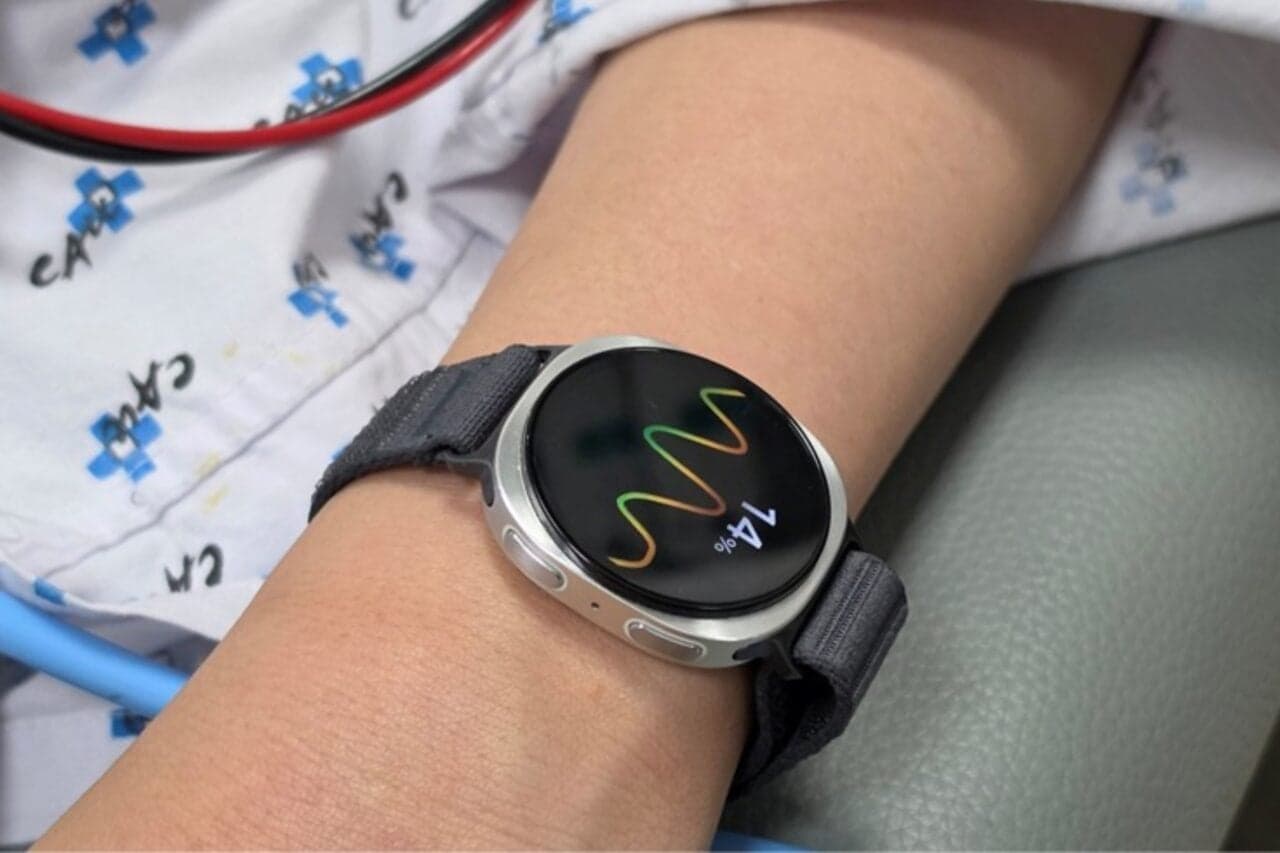
Samsung has quietly added a feature that may change how people think about wearable health tech. The new fainting detection, included in recent Galaxy Watch models, can identify when a user collapses and automatically alert emergency contacts. Apple, which has long dominated the premium smartwatch market with its own health tools, does not yet offer anything similar.
The New Safety Net
The feature uses the watch's motion sensors and heart rate monitor to detect a sudden fall or loss of consciousness. If the watch senses a fall and the user does not respond, it sends an alert to pre-set contacts. Samsung says the system can distinguish a faint from a normal fall by analyzing biometric data. The company has also added a manual trigger option for people with known conditions like epilepsy or diabetes.
Early tests suggest the detection is accurate enough to reduce false alarms while catching real emergencies. Users can customize response times and emergency numbers inside the Health app. The feature is available on the Galaxy Watch 5 and newer models running One UI Watch 5 or later.
How It Differs From Apple
Apple Watch includes fall detection and crash detection, but neither is designed specifically for fainting. Fall detection works during active movements like a trip or slip. Crash detection focuses on car accidents. Neither triggers based on a sudden medical collapse without impact.
Fainting, or syncope, can happen without a hard fall. A person may slide down a wall or collapse onto a soft surface. In those cases, the Apple Watch may not register an impact strong enough to activate an alert. Samsung's system fills that gap by monitoring heart rate patterns alongside motion data.
Apple has not announced plans to add fainting detection to watchOS. The company typically releases major health upgrades, like blood oxygen monitoring and ECG, only after rigorous validation. It is unclear whether Apple considers syncope detection a priority.
Why This Matters
For people with conditions that cause fainting, a smartwatch that detects collapse could mean faster medical help. Caregivers and family members gain peace of mind knowing an alert will be sent automatically. The feature also benefits older adults who live alone and may not have a way to call for help after a fall.
From a market standpoint, Samsung's move raises the bar for health features in wearables. Apple has long positioned the Apple Watch as a health device, but missing a function that directly addresses a common medical emergency could push some users to switch. The gap becomes more significant as Samsung continues to expand its health ecosystem with features like irregular heartbeat detection and blood pressure monitoring.
Consumers considering a new smartwatch should evaluate whether fainting detection matters to them. For many, it may be the deciding factor between staying with Apple or trying Samsung.