Senior Editor: Alan Agbele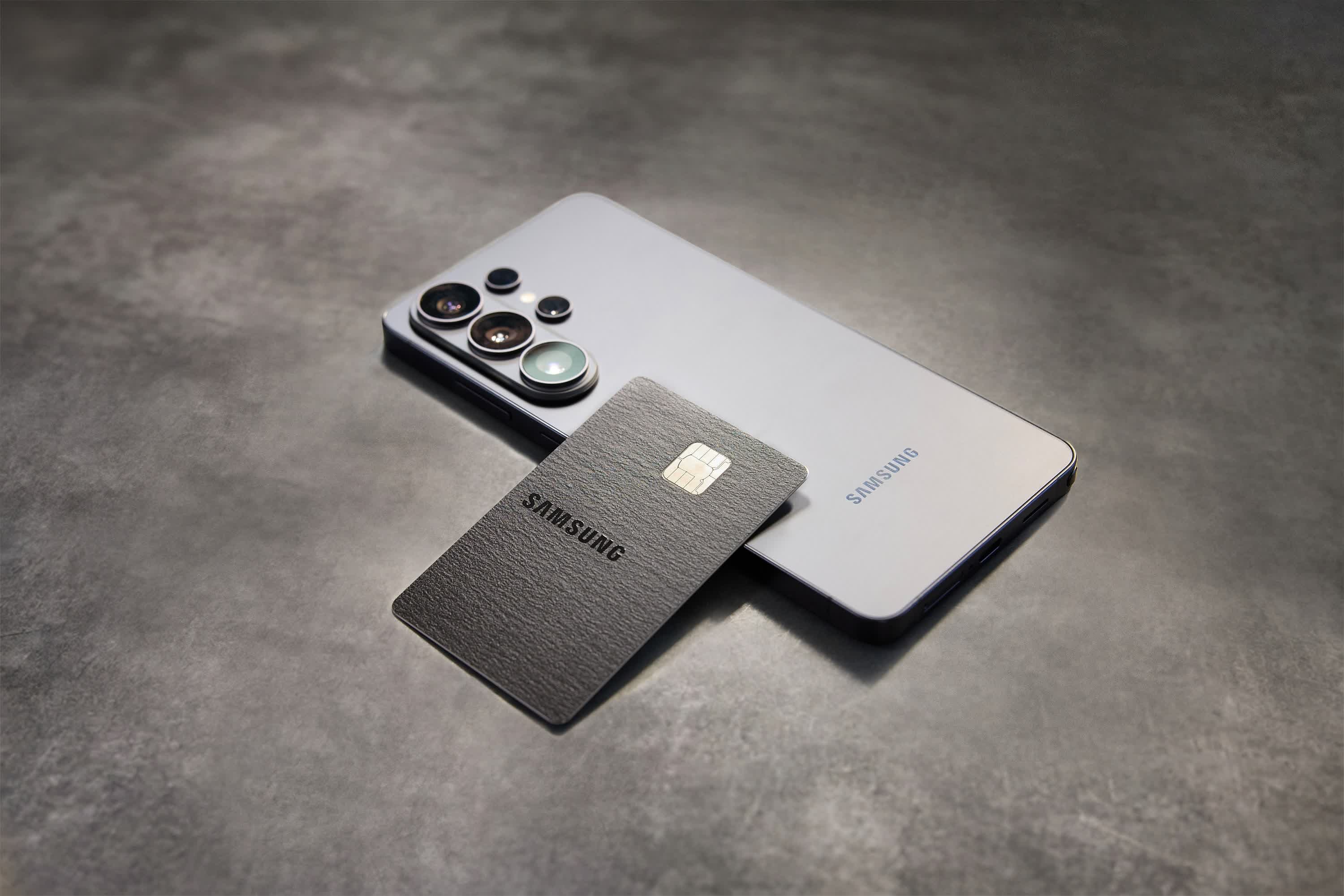
Samsung has officially entered the credit card market with the launch of the Galaxy Card, a new payment product designed for its mobile ecosystem. Issued through Barclays US Consumer Bank and running on the Visa network, the card will be available as a fully virtual option with a physical metal card offered as an upgrade.
Virtual Card With a Metal Option
The Galaxy Card launches as a digital-first product. Users can access it immediately within Samsung Wallet without waiting for a physical card. For those who prefer a tangible card, Samsung offers a black metal card with the Galaxy branding on the front.
Strategic Competition in Payments
Samsung's move directly challenges Apple's credit card, which launched in 2019 via Goldman Sachs and Mastercard. Both cards aim to deepen user loyalty by embedding financial services into their respective ecosystems. The Galaxy Card runs on the Visa network, giving it broad acceptance at merchants worldwide.
The company, however, faces an uphill battle. Apple Card has already built a significant user base and brand trust in financial services. Samsung will need to convince users to switch or add a new card to their wallets.
Why This Matters
The Galaxy Card represents Samsung's ambition to expand beyond hardware and into financial services. By offering a credit card integrated with its payment system, Samsung can gather valuable transaction data and increase stickiness for Samsung Pay. For consumers, this means more choice and competition in the mobile wallet space, potentially leading to better rewards and lower fees. Success would signal that tech companies can effectively compete with traditional banks in consumer credit.