Senior Editor: Alan Agbele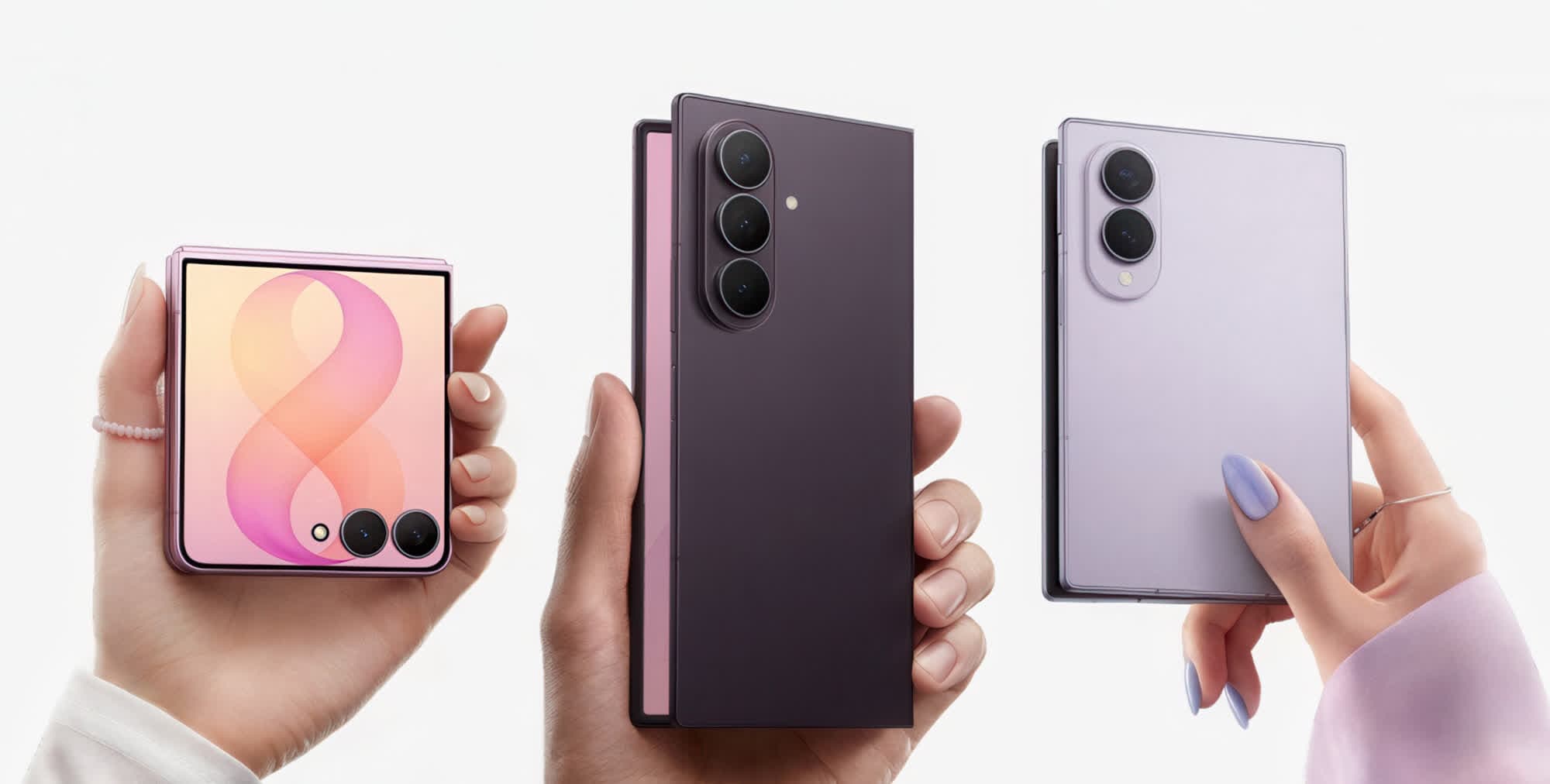
Samsung has introduced the Galaxy Z Fold 8 and Fold 8 Ultra, its next-generation foldable smartphones. The devices feature upgraded Flex Titanium displays and are powered by the Snapdragon 8 Gen 5 processor, Samsung's latest partnership with Qualcomm. The announcement arrives amid widespread speculation about Apple's first foldable device, expected later this year.
Flex Titanium and the Snapdragon Advantage
The new Fold models represent Samsung's latest attempt to refine the foldable form factor. The Flex Titanium display uses a titanium alloy that offers greater strength while reducing the visible crease that has long been a point of criticism for foldable screens. Under the hood, the Snapdragon 8 Gen 5 delivers improved on-device AI capabilities and energy efficiency, addressing one of the top consumer concerns about foldable devices: battery life.
Samsung also introduced two distinct variants: the standard Galaxy Z Fold 8 and the premium Fold 8 Ultra. The Ultra model targets power users with its larger cover display and upgraded camera hardware, a move that differentiates the lineup in a market where many foldables share similar specifications.
Apple's Shadow Looms Over Foldables
The timing of Samsung's launch is notable. Apple is widely expected to announce its own foldable iPhone later this year, which would mark the company's first entry into the category. Samsung, with its years of experience and multiple generations of foldable devices, is clearly positioning its new products to retain customers who might consider switching to an Apple foldable. The Fold lineup now offers more choice in both price and features, giving Samsung a broader portfolio to compete against a single Apple device.
The foldable phone segment has grown steadily but remains niche, with high price points and durability concerns limiting mainstream adoption. Samsung's use of Flex Titanium addresses durability directly, while the Snapdragon 8 Gen 5 provides a performance boost that could help justify the premium pricing.
Why This Matters
The arrival of the Galaxy Z Fold 8 and Fold 8 Ultra signals that Samsung is not resting on its lead. Consumers will benefit from better display technology and more powerful processors, but the real impact may be on the competitive dynamics of the foldable market. If Apple delivers a polished foldable iPhone, Samsung's early mover advantage could erode. Samsung is banking that its refined hardware, combined with feature differentiation between the standard and Ultra models, will keep users within its ecosystem. For the industry, this launch raises the bar for foldable durability and performance, forcing rivals to innovate faster. The next 12 months will determine whether foldables become a true mass-market category or remain a premium niche.