Editor: Porcia Akua Holmes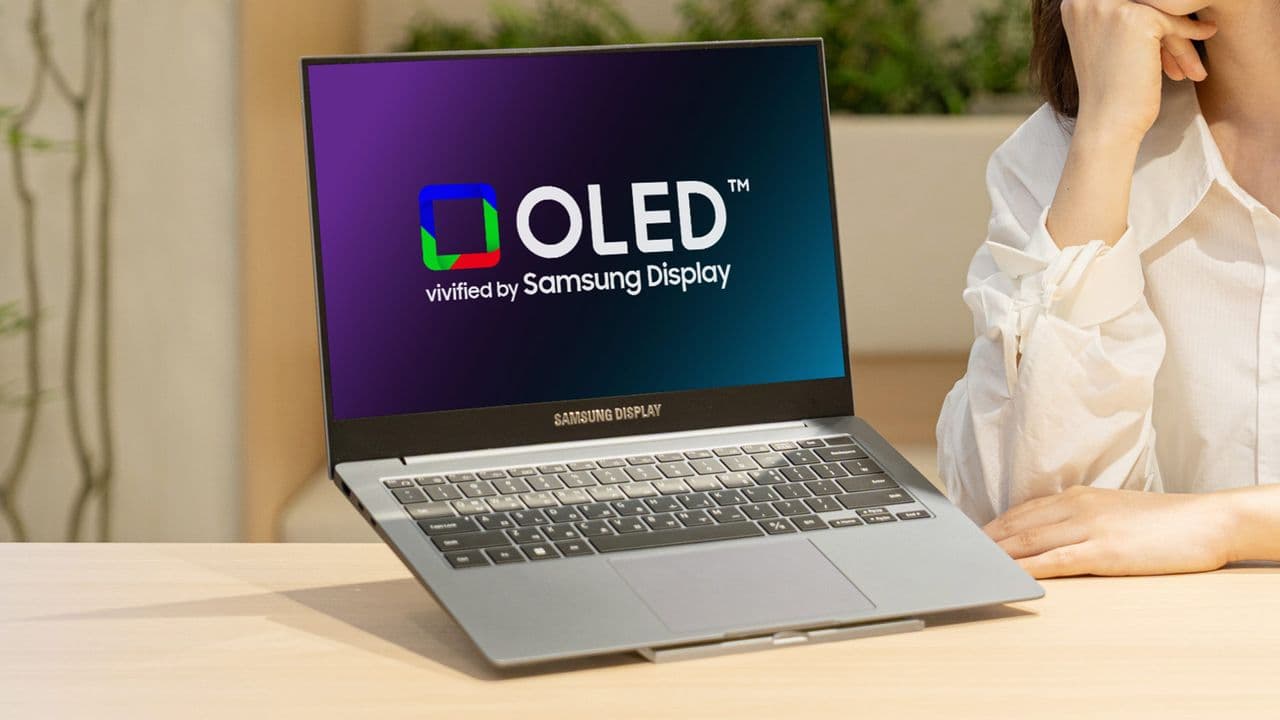
Samsung Display has started shipping its first mass-produced laptop panels certified under the new VESA DisplayHDR True Black 1400 standard, a milestone that pushes portable display brightness to 1,600 nits. Lenovo, Asus, Dell and MSI are among the first brands set to integrate these tandem OLED screens into upcoming laptops, with Lenovo's Yoga Pro 9i Aura Edition leading the rollout.
Tandem OLED Architecture Delivers Brightness and Efficiency
The leap to 1,600 nits peak brightness comes from Samsung's tandem OLED design, which stacks two organic light-emitting layers instead of the conventional single layer. This architecture improves light output per unit of current, meaning a laptop can achieve high HDR brightness without draining the battery disproportionately during everyday use.
Samsung Display notes that the dual-layer structure allows the panel to either produce more light at the same energy cost or reduce stress on each layer when running at lower brightness levels. The result is a display that combines extreme HDR performance with improved longevity, a key concern for OLED laptop buyers.
Major Brands Preparing Laptop Launches
Lenovo's Yoga Pro 9i Aura Edition is the first device confirmed to feature Samsung's new tandem OLED panel. Asus, Dell and MSI are expected to release their own models during the second half of 2025. The arrival of these panels marks a significant upgrade for creative professionals and media consumers who demand accurate HDR rendering on a portable device.
Desktop monitors with tandem OLED have already appeared from Alienware, Gigabyte and MSI. Samsung Display's local rival, LG Display, is also developing competing tandem OLED technology, setting the stage for a premium display arms race in the laptop market.
Why This Matters
The certification of DisplayHDR True Black 1400 raises the baseline for what consumers can expect from a high-end laptop screen. Creators editing HDR video or photographers grading on the go will benefit from the extra brightness and deeper blacks that were previously exclusive to desktop monitors. The improved efficiency also addresses a common trade-off: high brightness usually drains batteries faster, but Samsung's dual-layer approach mitigates that penalty. As more brands adopt tandem OLED, the technology is likely to trickle down from premium models to mid-range laptops over the next few product cycles, making professional-grade HDR more accessible.