Editor: Porcia Akua Holmes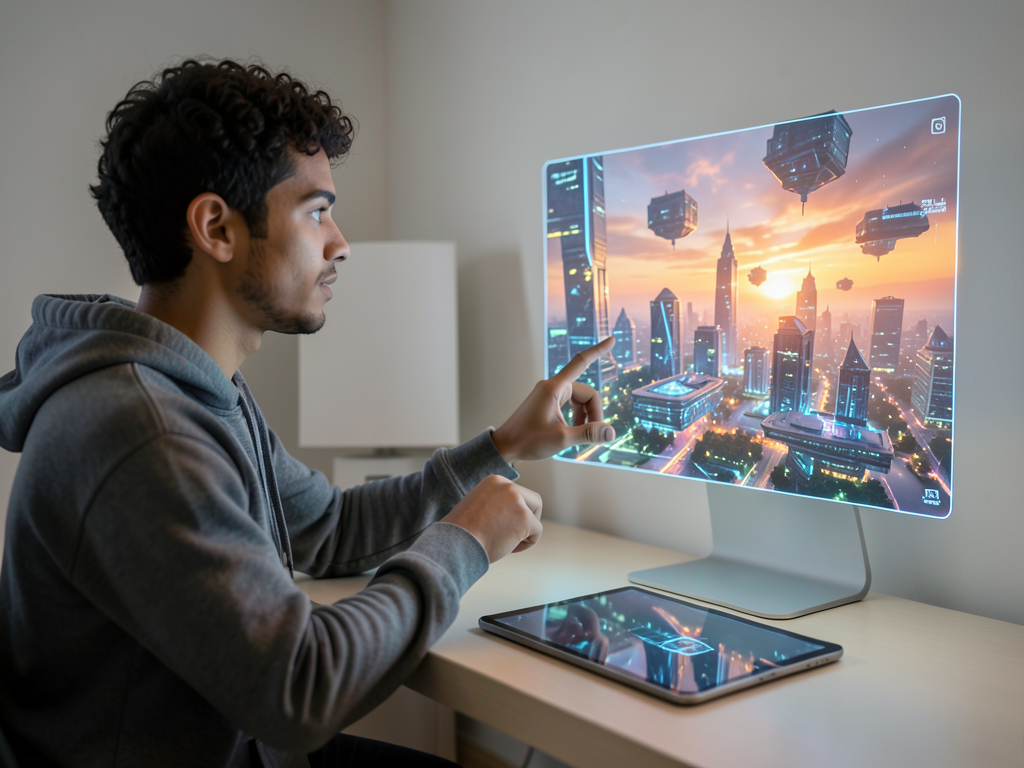
Runway has introduced an artificial intelligence model capable of generating complete digital environments without requiring any programming knowledge. The tool, which the company unveiled this week, marks a significant shift toward democratizing 3D world creation beyond the traditional game development industry.
How the Model Works
Runway's system processes plain language descriptions and translates them into fully realized 3D scenes with interactive navigation. Users can specify elements like terrain types, building styles, lighting conditions and object arrangements. The AI model handles rendering in real time, allowing creators to iterate and adjust scenes without touching a code editor.
Technical details remain sparse, but the company has indicated the model uses a diffusion-based architecture adapted for volumetric generation. This approach differs from earlier methods that stitched together pre-built assets, as Runway's AI can generate unique geometry on the fly based on user input.
Shifting the Creator Economy
Runway's announcement arrives amid a wave of generative AI tools targeting creative professionals. Companies like OpenAI and stability.ai have focused on image and video generation, but few have tackled full 3D world creation at this level. The move positions Runway as a leader in an emerging niche that blends gaming, virtual reality and digital design.
For independent developers, small studios and hobbyist creators, this technology could reduce the upfront cost of prototyping game levels or virtual set designs. Instead of hiring 3D artists or learning complex software, a creator can generate a blockout of a level in minutes. The potential time savings are substantial, though questions remain about the quality and precision of AI-generated geometry compared to handcrafted work.
Why This Matters
The ability to create 3D worlds without code or specialized training lowers the entry barrier for a range of industries beyond gaming. Architects could quickly visualize building concepts, educators could build interactive learning environments and filmmakers could previsualize scenes with spatial context. Runway's model also raises the stakes for existing game engines like Unity and Unreal, which have invested heavily in easing their own development pipelines but still require significant technical skill.
But the technology also introduces concerns about job displacement for 3D artists and level designers. If AI can generate acceptable environments, studios may reduce the number of manual modelers on their teams. The long-term impact will depend on how well AI-generated worlds meet professional quality standards and whether creators can retain sufficient control over the final output.
What Comes Next
Runway has not announced a public release date or pricing for the new model. The company is expected to share more details in the coming months as it refines the technology and addresses potential misuse, such as generating inappropriate or harmful virtual spaces. For now, the model exists as a demonstration of what the next generation of generative AI tools can achieve: turning language directly into navigable digital reality.