Editor: Porcia Akua Holmes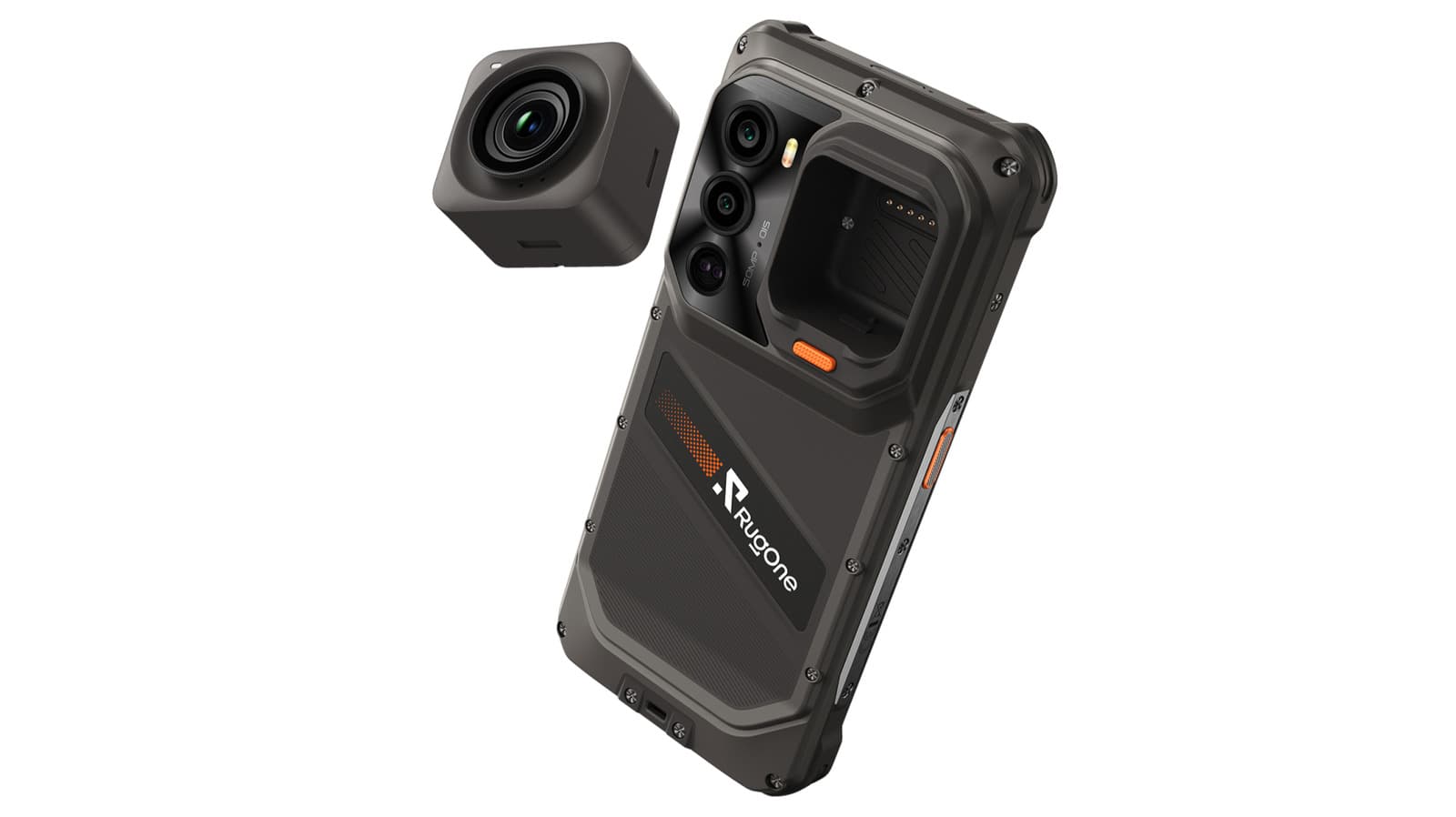
RugOne has introduced a ruggedized smartphone with a camera that doubles as a standalone action cam. The module detaches from the phone body, allowing users to mount it on a helmet, bike or other gear for hands-free recording. The design marks a shift in how manufacturers approach durability and versatility in the mobile market.
Removable Camera Redefines Phone Durability
The core innovation centers on the camera module's ability to function independently. When attached, the module sits flush with the phone's back. A release mechanism lets users pop it out and attach it to standard action cam mounts. RugOne has not disclosed battery life for the detached module, but the phone itself packs a large capacity cell typical of rugged devices.
The approach eliminates the need to carry a separate action cam for outdoor activities. Travelers, hikers and cyclists can use the phone normally and then detach the camera for trail recording or first-person video. The phone retains a secondary front-facing camera for selfies and video calls.
Market Context and Design Trade-Offs
RugOne competes in a niche market dominated by brands like Ulefone, Blackview and Doogee. Most rugged phones emphasize thick rubber bumpers and large batteries but rarely innovate on camera flexibility. The removable module could give RugOne a differentiator, though it introduces potential weak points. The attachment mechanism must withstand drops and dust ingress over years of use.
Early adopters should consider the trade-off between convenience and vulnerability. A dedicated action cam remains more compact and often offers better stabilization and lens options. The RugOne module, however, simplifies the gear list for those who want one device for both communication and adventure footage.
Why This Matters
For outdoor workers and extreme sports enthusiasts, the removable camera reduces the number of devices they need to charge and carry. If the module gains traction, it could push other rugged phone makers to adopt modular camera designs, potentially reshaping the category. The success will depend on video quality, mounting stability and long-term durability. Consumers unwilling to compromise on camera performance may still prefer a dedicated action cam, but RugOne's move signals that the gap between phone cameras and action cams is narrowing.
The phone is expected to launch later this quarter with pricing in line with other premium rugged devices. RugOne has not announced carrier partnerships, so buyers will likely purchase unlocked.