Senior Editor: Alan Agbele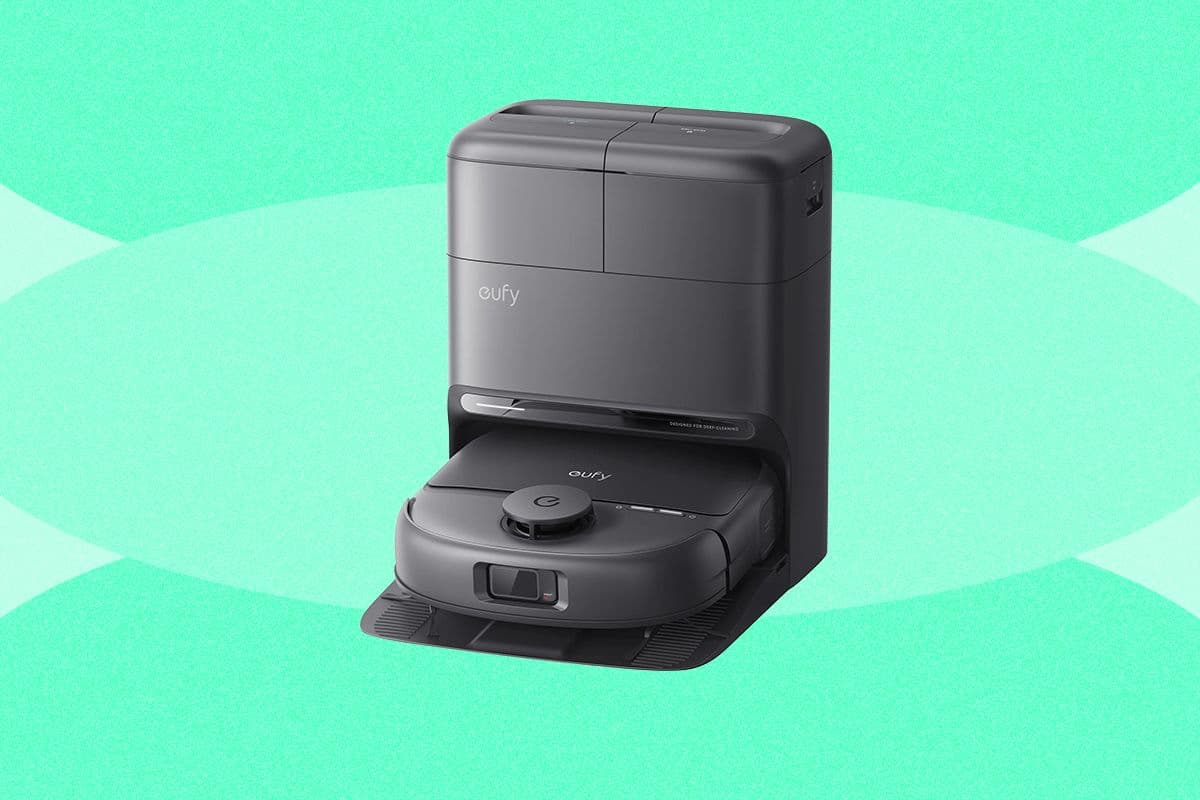
Robot vacuums have moved beyond simple floor sweeping. The latest models from Shark and Eufy, released in early 2026, represent a significant leap in home cleaning technology. These devices now combine powerful suction with intelligent mapping and self-maintenance systems that reduce human intervention to near zero.
The New Standard for Autonomous Cleaning
Shark's newest flagship model introduces a self-emptying dock that can hold up to 60 days of debris. This eliminates one of the most frequent user complaints: having to manually empty the dustbin after each cleaning cycle. The vacuum uses LiDAR navigation to create detailed floor plans of a home, allowing it to avoid obstacles like pet bowls and charging cables with greater precision than previous generations.
Eufy has taken a different approach with its latest offering, focusing on mopping capabilities alongside vacuuming. The device features dual rotating mop pads that apply consistent pressure to remove stuck-on dirt from hard floors. Its onboard water tank can handle up to 3,000 square feet of mopping before needing a refill.
Why This Matters
For homeowners, these advancements mean less time spent on routine cleaning tasks. The combination of longer battery life, smarter navigation and automated maintenance reduces the need for daily oversight. Users can schedule cleanings weeks in advance without worrying about emptying bins or untangling cords.
The broader trend points toward fully integrated smart home ecosystems where appliances communicate with each other. A robot vacuum that knows when you leave for work can coordinate with smart locks and lighting systems to clean efficiently without disrupting your schedule.
Market Competition Drives Innovation
The rivalry between Shark and Eufy has accelerated development cycles across the industry. Both companies now offer models priced under $800 that include features once reserved for premium units above $1,000. This price compression benefits consumers who want high-end performance without breaking their budget.
Industry analysts note that the real battleground is software rather than hardware. Companies are investing heavily in artificial intelligence algorithms that improve over time through over-the-air updates. A robot vacuum purchased today could perform significantly better six months from now as its software learns the layout of your home and adapts to seasonal changes like shedding pets or holiday decorations.
Practical Considerations for Buyers
Shoppers should evaluate their specific needs before choosing between these two brands. Homes with mostly hard floors may benefit more from Eufy's mopping system while carpet-heavy households might prefer Shark's stronger suction and larger dustbin capacity.
Both devices support voice control through Amazon Alexa and Google Assistant but compatibility varies by region so buyers should verify local support before purchasing.