Senior Editor: Alan Agbele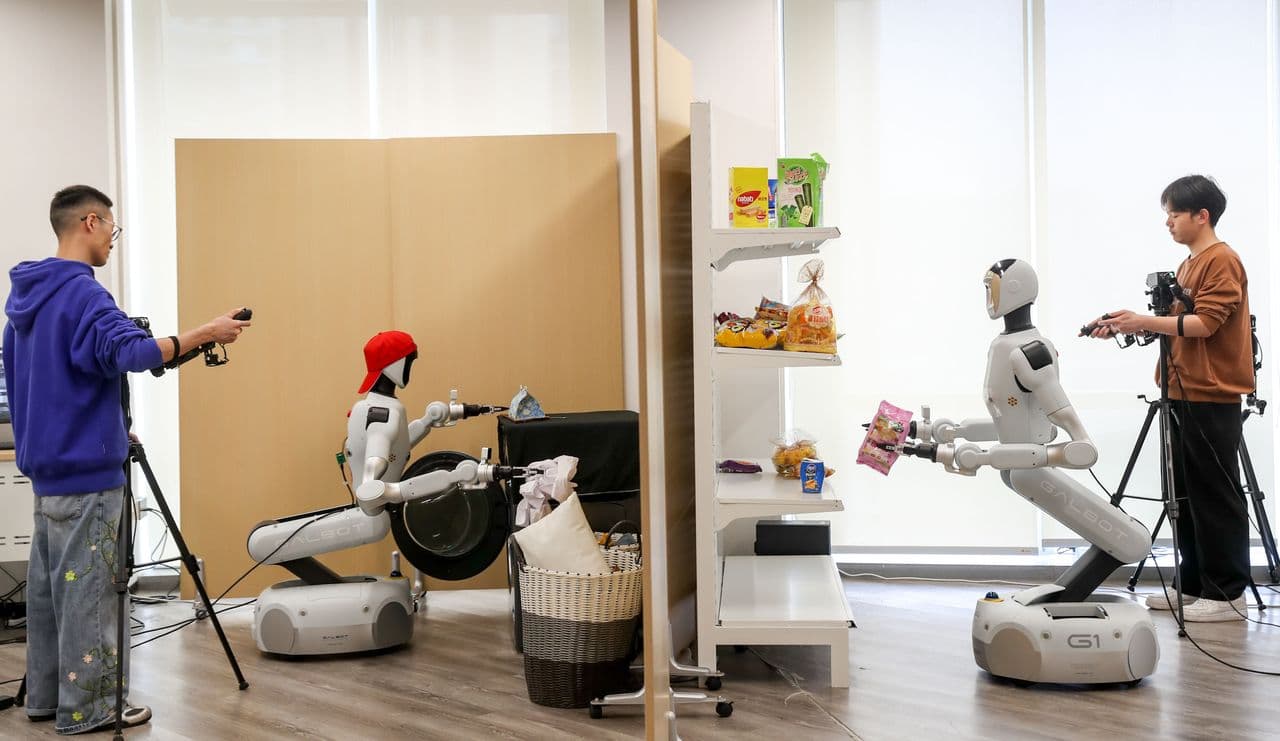
San Francisco Airbnb owners are detecting a brutal pattern. Guests from a robot startup have allegedly turned short-term rentals into testing labs without permission, resulting in scratched kitchens, damaged appliances and missing items.
The situation has sent shockwaves through the city's rental community. Hosts who once expected clean, profitable stays from tech workers now face unexpected repair bills and bizarre unit rearrangements. Some report cabinets being used as makeshift garages.
Secret Tests Inside Rentals
The alleged scheme works quietly. Guests check in as standard vacation renters but bring a robot with them. The machines run tests inside the units, navigating tight spaces and small kitchens. The robots leave marks on surfaces and occasionally bump into walls, damaging the property.
Airbnb hosts are posting images and accounts on social media, accusing the startup of using their units as experimental platforms without consent. The startup has not publicly addressed the claims. Hosts say the damage includes scratches on wooden floors, gouges in drywall and missing plates or small appliances.
Hosts Demand Accountability
Susan Cheng, a longtime San Francisco host, told reporters she found deep scratches on her kitchen island and several glasses smashed. She had rented the unit to someone who claimed to be visiting for a conference. Surveillance footage from a neighbor captured a wheeled robot moving through the hallway.
David Marcus, another host, reported that his apartment was rearranged entirely. Furniture was pushed to corners. A table was flipped. Items were missing from shelves. He filed a complaint with Airbnb but said the company was slow to respond.
The situation highlights a gap in short-term rental rules. Current policies do not cover guests using units as robotics test facilities. Hosts argue that Airbnb needs to tighten guest vetting and enforce stricter damage clauses.
Why This Matters
San Francisco hosts rely on Airbnb income in one of the most expensive housing markets in the country. A single damaged rental can cost thousands of dollars in repairs and lost bookings. The allegations point to a growing trend where startups use residential spaces as cheap testing grounds, bypassing commercial insurance and safety checks.
If other startups follow this path, short-term rental platforms will need to adapt faster. Hosts may demand new protections such as bans on commercial testing, real-time monitoring of guest activities or expanded liability coverage. The stakes are high for both property owners and the platform itself.
Startup Culture Meets Property Rights
The robot startup has not been named by the hosts but some point to a young company working on delivery or navigation robots. These machines require real-world testing to learn how to move through unfamiliar indoor spaces. Using a private residence saves on lab costs but violates the trust between host and guest.
San Francisco's city government has not commented on the situation. Legal experts say hosts could pursue civil claims for trespassing or property damage. However, proving intent may be difficult unless the startup publicly admits to the tests.
The incident serves as a warning to hosts across the country. Rental platforms may need to update their terms of service to explicitly ban non-human guests and unauthorized equipment testing. For now, hosts are checking their units more carefully and installing security cameras in common areas.