 Editor: Porcia Akua Holmes
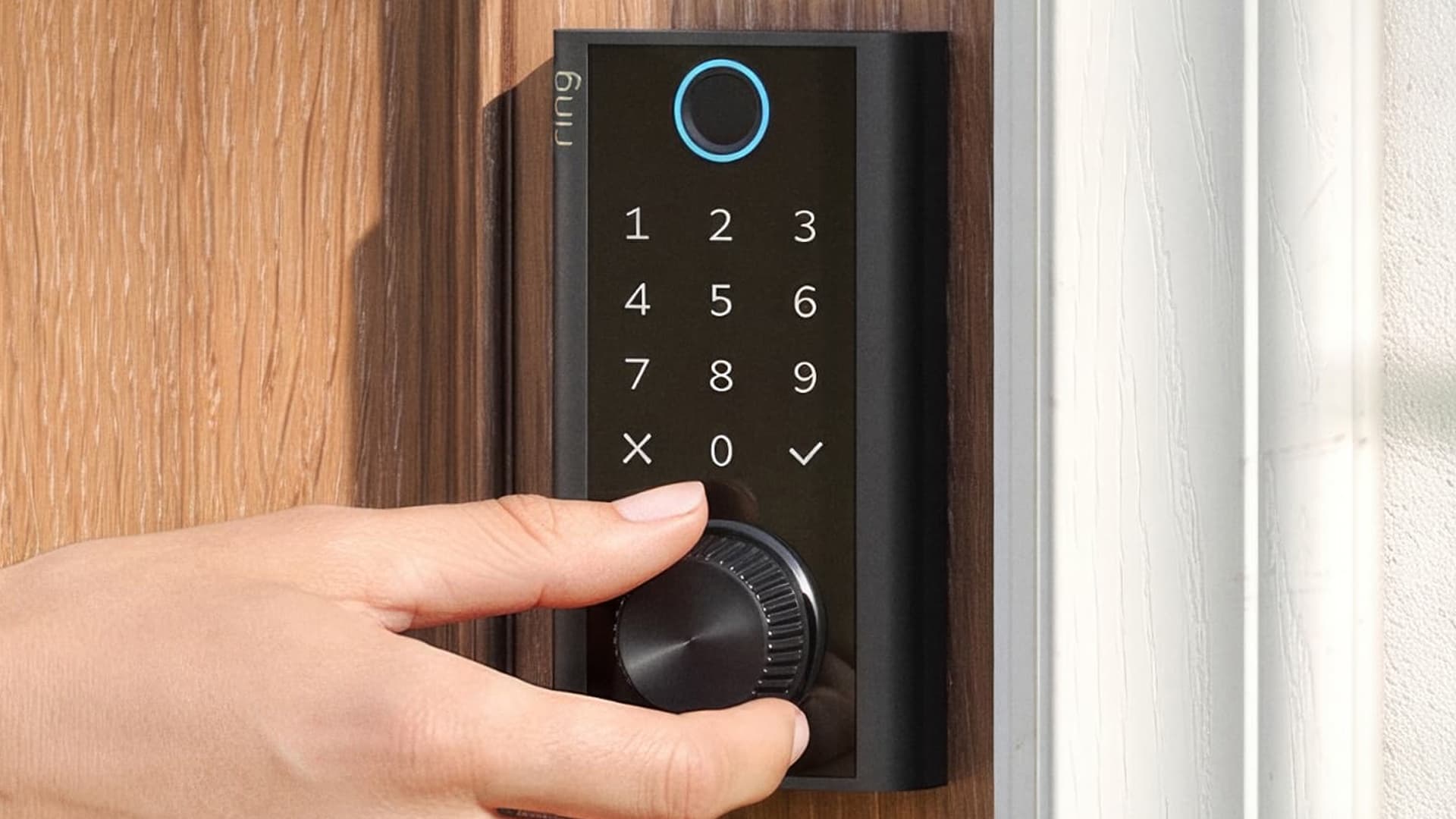
Smart locks promise convenience, but they also raise a critical question: What happens when the technology fails? Ring's latest smart lock tackles that fear head-on with a manual fallback mechanism designed to prevent lockouts. The device, announced this week, includes a physical key slot and a mechanical thumb-turn that bypasses all electronic components.
How the Manual Fallback Works
The manual fallback consists of two independent systems. First, a traditional key cylinder allows a physical key to retract the deadbolt. Second, a thumb-turn on the interior side lets anyone inside unlock the door without touching the app or keypad. Both methods operate purely mechanically, so they remain functional during power outages, Wi-Fi disruptions or drained batteries.
Ring designed the lock so that the electronic components sit on top of a standard mechanical deadbolt. That means the smart features can fail completely while the lock still functions as a normal door lock. The approach differs from some competitors that integrate electronics directly into the locking mechanism, which can leave users stranded if the motor dies.
Why This Matters
Smart lock adoption has grown rapidly, but reliability concerns remain a top barrier for many buyers. A 2023 survey by Parks Associates found that 34% of U.S. broadband households cite security and privacy worries as reasons for avoiding smart home devices. By adding a mechanical fallback, Ring directly addresses the most visceral fear: being locked out of your own home.
This design choice could pressure other manufacturers to follow suit. Competitors like August and Schlage have offered keyed backups on some models, but Ring's emphasis on a dual mechanical system sets a new baseline. For renters and older adults, the assurance of a physical override may tip the decision toward upgrading to a smart lock.
What You Need to Know
The lock is compatible with Ring's ecosystem, including the Ring app and Ring Alarm. It supports Amazon Alexa voice control and can be managed remotely via Wi-Fi. Installation requires a standard deadbolt cutout and a Phillips screwdriver. The device runs on four AA batteries, which Ring says last up to six months.
Pricing starts at $129.99, with preorders opening today. Ring plans to ship units in early 2025. The company also offers a version with a built-in keypad for $149.99. Both models come with a one-year limited warranty.
$129.99
Starting Price
6 Months
Battery Life
Implications for the Smart Home Market
Ring's move reflects a broader shift in consumer expectations. As smart home devices become more common, users demand that convenience never compromise safety. The manual fallback is a tacit admission that even the best software can fail. By building in redundancy, Ring hopes to convert skeptics who have held off on smart locks due to reliability fears.
For the industry, this could signal a new standard. If Ring's lock sells well, expect other brands to emphasize mechanical overrides in their marketing. The real test will come when reviews measure how seamlessly the fallback integrates with daily use. For now, Ring has taken a pragmatic step that puts user safety first.


