Editor: Porcia Akua Holmes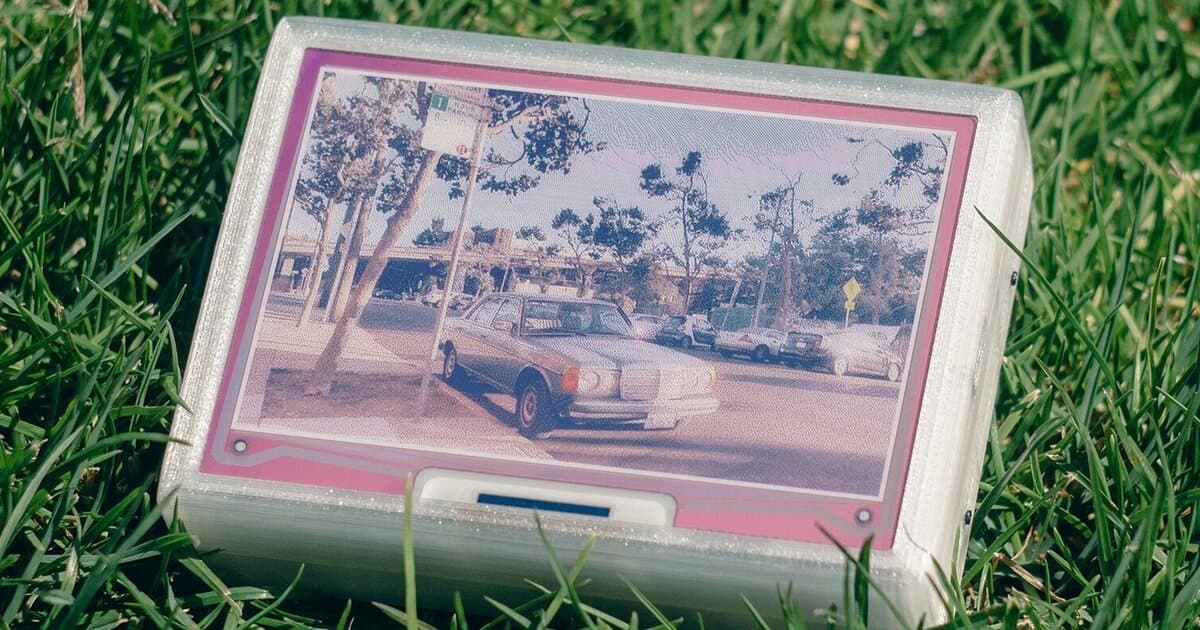
Photography is about to get a quieter, more deliberate companion. A new device called ReFrame, billed as The EPaper Camera, promises to change how photographers interact with their images by replacing the usual LCD screen with a large electronic paper display.
How the EPaper Camera Works
ReFrame captures scenes through a standard lens and sensor, then renders the image directly on an e-paper screen. Unlike traditional camera displays that refresh constantly, the e-paper panel holds the image without power, giving the camera a long standby time. The result is a matte, paper-like view that feels more like holding a Polaroid than scrolling through a gallery.
Key specifications include:
A Reaction to Screen Fatigue
The consumer tech world has seen a slow but steady pushback against always-on, high-glare screens. E-paper readers like the Kindle proved there is demand for displays that are easier on the eyes. ReFrame takes that principle into photography, offering a way to compose and review shots without the distraction of a backlit panel.
This approach mirrors a broader trend toward digital minimalism in consumer electronics. Devices that reduce battery anxiety and encourage focused use are gaining traction among users tired of constant notifications. ReFrame fits squarely in that movement, providing a camera that feels more like a tool than a computer.
Why This Matters
For hobbyists and professional photographers alike, the ReFrame e-paper camera could reshape shooting habits. By removing the instant-gratification loop of a bright LCD, the camera forces users to slow down and consider each shot more carefully. This is a meaningful departure from smartphone photography, where dozens of images are snapped and later culled. The e-paper display also means images can be viewed outdoors in direct sunlight without glare, a significant practical advantage.
The bigger implication is for the gadget industry itself. If ReFrame succeeds, it could open the door for other consumer electronics to adopt e-paper as a primary interface, especially in categories where battery life and outdoor readability matter. That would mark a shift away from OLED and LCD dominance in devices beyond e-readers.